

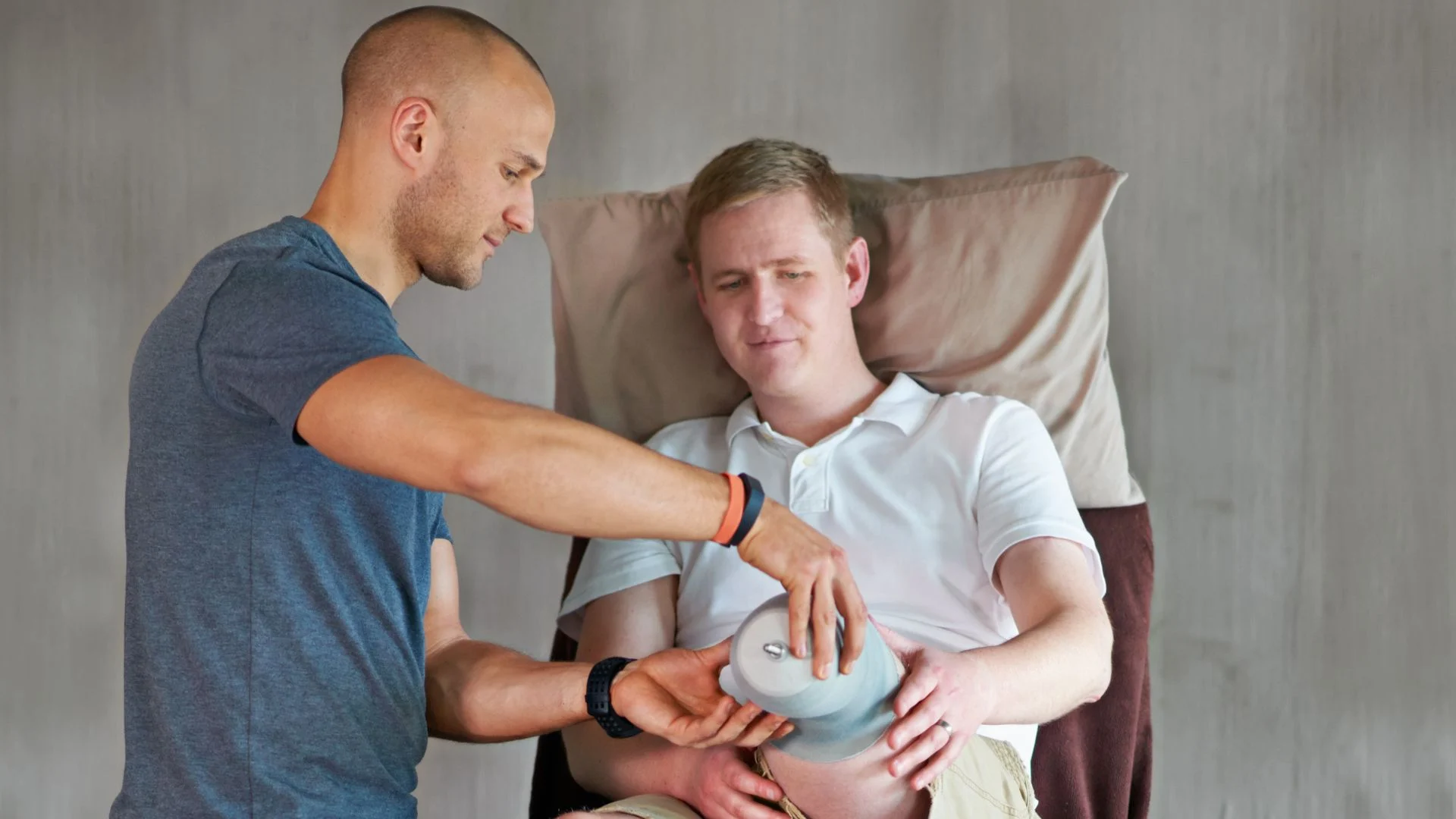
Complex Physiotherapy Services: NDIS Supports for People with High Physical Needs And Why It Matters More Than Ever
When someone you love, or someone you support, has higher physical support needs, the smallest changes in daily life can have a big impact. Mobility, posture, and movement shape independence, safety, and confidence. With the right physiotherapy, people strengthen these areas, make everyday activities easier, reduce risks, and enjoy greater comfort and freedom.
That’s where complex physiotherapy steps in. Unlike general physio, complex physiotherapy targets significant disabilities, neurological conditions, and progressive health challenges. Through the NDIS, participants can access ongoing physiotherapy that builds strength, improves mobility, reduces pain, and helps people stay safe and active at home and in the community.
For families, this brings reassurance that a loved one’s health and movement are actively supported. For support coordinators, it means adding a trusted professional to the care team who can reduce risks and protect long-term wellbeing.
What Are Complex Physiotherapy Services?
Complex physiotherapy goes beyond simple exercise programs. It creates personalised therapy that adapts to complex health conditions and high support needs. Physiotherapists design interventions for people living with cerebral palsy, spina bifida, muscular dystrophy, brain or spinal injuries, and those recovering from strokes. They also play a vital role in supporting people with progressive conditions like Parkinson’s disease, Huntington’s disease, or multiple sclerosis.
It also benefits people ageing with disability, managing chronic pain, or relying on mobility aids. These participants need physiotherapists with NDIS complex care expertise, who are professionals that understand high-intensity support and know how to embed therapy into daily routines.
When Should a Coordinator Get Complex Physiotherapy for a Participant?
As a support coordinator, you’ll want to consider complex physiotherapy when a participant’s mobility, safety, or independence is significantly impacted by their physical condition. Some of the key times to bring in a physiotherapist include:
-
After a major change in health or function – for example, following a stroke, injury, surgery, or rapid decline in mobility.
-
When daily activities become unsafe or difficult – such as frequent falls, unsafe transfers, or increasing fatigue with movement.
-
If the participant relies on specialised equipment – like wheelchairs, standing frames, or hoists that need expert adjustment or prescription.
-
For progressive or neurological conditions – where physio can help slow decline, manage pain, or maintain function (e.g., MS, Parkinson’s, MND).
-
When support workers need guidance – physiotherapists can train staff in safe manual handling, positioning, or exercise routines.
-
As part of a broader Complex Care Plan – especially in Supported Independent Living (SIL) or for participants funded under High Intensity Daily Personal Activities.
In short, if a participant’s physical needs are beyond what standard supports can manage, or if their safety and independence could be improved through tailored intervention, that’s the time to engage complex physiotherapy.
What Do Complex Physiotherapy Supports Involve?
Complex physiotherapy goes far beyond standard rehabilitation. It often starts with a comprehensive mobility and postural assessment, followed by the design of a highly personalised therapy plan. From there, physiotherapists create therapy plans that match the person’s goals and risks. This can include gait retraining for walking, positioning for wheelchair users, or pressure care strategies to prevent injury.
Therapists also manage muscle tone for neurological conditions, provide respiratory physiotherapy for chest care, and train people in safe transfers to avoid falls. In SIL homes, physiotherapists weave therapy into daily life—helping to manage pain, maintain mobility, and reduce the chance of avoidable hospital visits.
How Does the NDIS Fund Physiotherapy?
For families and coordinators, understanding the funding pathways is key. Complex physiotherapy is usually funded under:
-
Capacity Building – Improved Daily Living: covers assessments, ongoing therapy sessions, and goal-focused physiotherapy plans.
-
Core Supports – Assistance with Daily Life: sometimes used when physiotherapists are directly involved in daily care tasks, such as mobility transfers or seating support.
-
Capital Supports: funds specialised equipment, such as standing frames, customised seating, or mobility aids prescribed by a physiotherapist.
In all cases, a registered NDIS physiotherapist will complete assessments and provide clinical reports to justify the support, showing it is both reasonable and necessary.
Physiotherapy as Part of Complex Care
Complex physiotherapy rarely works in isolation. It usually sits within a broader NDIS complex care plan, alongside input from OTs, nurses, behaviour practitioners, and support workers. Together, they create a circle of care that supports not just movement, but whole-person wellbeing.
This might involve physiotherapists training support workers on manual handling, advising on safe transfers, or guiding home modifications. For participants in SIL or SDA housing, physio input is often critical to maintaining mobility, preventing decline, and ensuring that everyday routines can continue with safety and dignity.
Why Complex Physiotherapy Matters
Without physiotherapy, people with complex needs often face preventable issues: loss of function, increased pain, reduced participation, and avoidable hospital admissions. But with ongoing, tailored physio, participants can build strength, improve posture, manage pain, and regain confidence in their own bodies.
For families, this means watching your loved one move more freely, avoid unnecessary health setbacks, and feel supported in their independence. For support coordinators, it means knowing your participant has the right therapeutic foundation for long-term health and quality of life.
NDIS physiotherapy is more than a support service. It’s about giving people the tools to keep moving forward, both physically and in life.
Need NDIS Physiotherapy for Complex Care?
We provide:
-
Experienced NDIS-registered physiotherapists for people with high physical needs
-
Therapy plans integrated into Complex Care and SIL supports
-
Manual handling and mobility risk assessments for families and staff
-
Home-based therapy tailored to each person’s routine and support team
Let’s create a physiotherapy plan that supports safety, movement, and dignity. Contact us today.
