

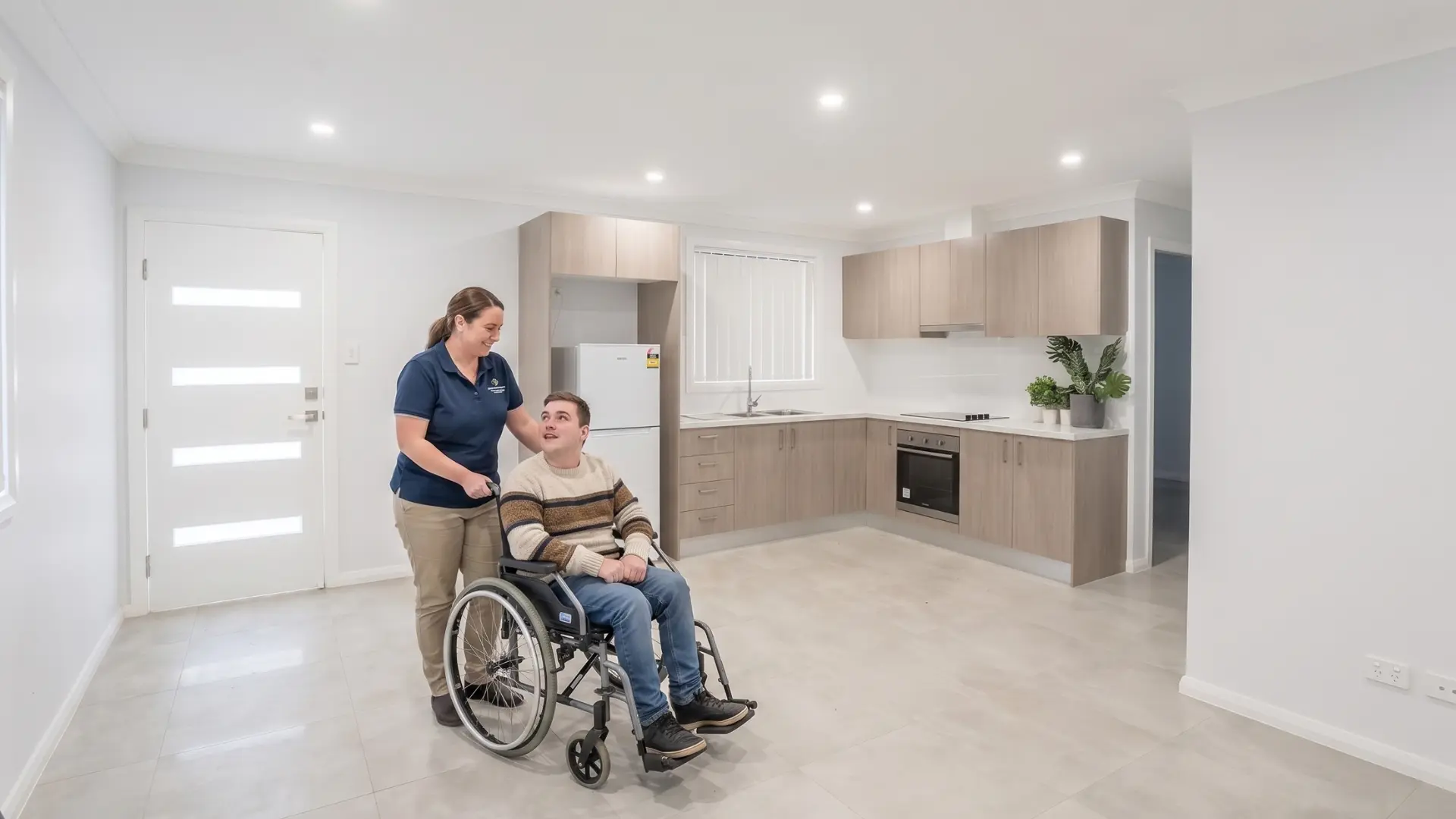
A Day in the Life of Supported Independent Living (SIL)
A day in supported independent living SIL isn’t about rigid schedules or being told what to do. It’s about having the right level of support around you so you can live your life, your way.
For some people, that means structure and routine. For others, it means flexibility and choice. The common thread is this: support is there when you need it, and independence is always the goal.
No two days look exactly the same. But to give you a clearer picture, here’s what a typical day in NDIS SIL housing can look like.
Morning: Starting the Day Your Way
Mornings in SIL are not one-size-fits-all.
Some people like to get up early, get organised, and start the day with purpose. Others prefer a slower start, easing into the morning with a coffee and some quiet time.
Support during this time might include:
- Assistance with personal care (showering, dressing, grooming)
- Help with medication management
- Preparing breakfast or building cooking skills
- Getting ready for work, appointments, or daily activities
The key difference in what is SIL NDIS support is this: support workers don’t take over. They work alongside you.
If you can do something independently, you’re encouraged to. If you need help, it’s there—without pressure or judgment.
Daytime: Life Beyond the House
One of the biggest misconceptions about supported independent living Australia is that it’s just about staying at home.
In reality, SIL is about enabling a full, active life.
During the day, many participants:
- Attend work or supported employment
- Participate in day programs
- Go to appointments (medical, therapy, community services)
- Spend time in the community (cafés, shops, activities)
- Build everyday life skills
Support workers play a flexible role here. Sometimes they’re hands-on, helping with transport or appointments. Other times, they step back, allowing independence to grow.
This is where SIL support services really come to life—helping people build confidence in real-world situations, not just within the home.
Afternoon: Flexibility and Everyday Living
Afternoons in SIL often feel more relaxed and adaptable.
This is the time where daily life skills are naturally built into routine. Things like:
- Cooking or preparing meals
- Grocery planning or shopping
- Household tasks like cleaning or laundry
- Learning new skills (budgeting, routines, organisation)
- Taking time to rest or recharge
What matters here is choice.
You might cook independently with minimal guidance, or you might cook alongside a support worker while learning step-by-step. Both are wins, because both build capability over time.
A good SIL daily routine doesn’t feel forced—it evolves with you.
Evening: Winding Down and Connecting
Evenings in disability housing NDIS settings are about comfort, connection, and routine.
Depending on your preferences, evenings might include:
- Shared meals with housemates
- Watching TV or relaxing in your own space
- Spending time with friends or family
- Personal care and bedtime routines
For some people, the social aspect of SIL is a highlight—living with others can create a sense of community and belonging.
For others, having their own space to unwind is just as important.
The right SIL environment balances both.
Overnight: Support That’s Always There
One of the defining features of 24/7 disability support within SIL is that help doesn’t switch off at night.
Depending on your needs, this could include:
- Active overnight support (staff awake and available)
- Sleepover support (staff onsite if needed)
- Assistance with medication or mobility during the night
This level of support provides peace of mind—not just for participants, but for families as well.
It means that independence doesn’t come at the cost of safety.
What Makes SIL Different?
At its core, supported independent living SIL is about balance.
It’s not about doing everything for someone.
And it’s not about leaving someone to figure things out alone.
It’s about:
- Building independence over time
- Providing consistent, reliable support
- Creating a safe and stable home environment
- Supporting real-life goals, not just daily tasks
The best SIL environments don’t feel like “services.”
They feel like home.
The Maple Approach to SIL
At Maple Community Services, SIL is built around the individual—not the system.
That means:
- Matching participants to the right home and housemates
- Building a consistent, high-quality support team
- Creating routines that reflect real life, not rigid schedules
- Focusing on long-term outcomes like independence, stability, and confidence
Because the right support shouldn’t take over your life.
It should fit into your everyday life—helping you build it, shape it, and live it on your terms.
Final Thoughts
A day in SIL isn’t about ticking boxes.
It’s about waking up in a place that feels like home, having support that feels natural, and building a life that feels like yours.
Whether it’s learning to cook, getting to work independently, or simply having the confidence to try something new—SIL is about progress, not perfection.
And over time, those small, everyday moments?
They’re what create real independence.
Real progress happens in the everyday moments. That’s why Everyday with Maple is built around consistency, familiarity, and support that evolves with you. It’s not about one-off support — it’s about showing up, every day, in a way that drives real outcomes.