


NDIS Housing & Accommodation - Maple Services

NDIS Housing & Accommodation

Helping NDIS participants achieve independence through personalised SIL housing and daily living supports.

0 k

Happy Participants

0 +

Years Delivering NDIS Services

0 +

languages spoken to make you feel at home

0 /7

Support and Same Day Booking

NDIS Housing Vacancies

Explore our current NDIS housing vacancies for SIL, SDA and ILO below to find your new home today.

State

State

Suburb

Suburb

Funding Type

Funding Type

3 Bedroom

2 Bathroom

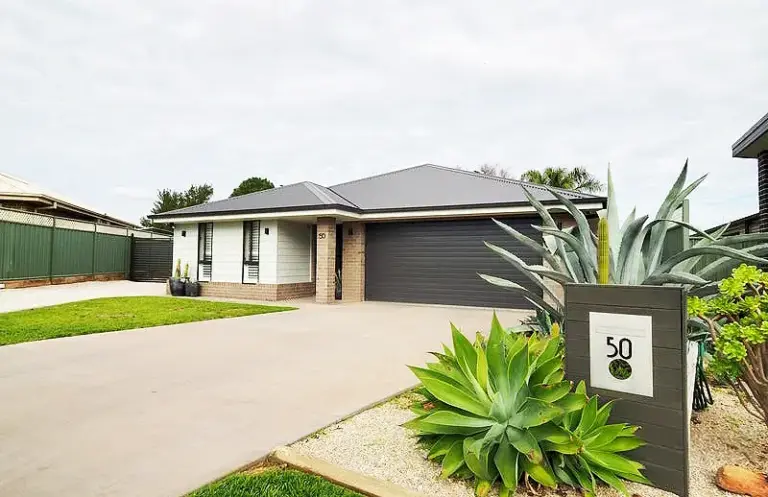
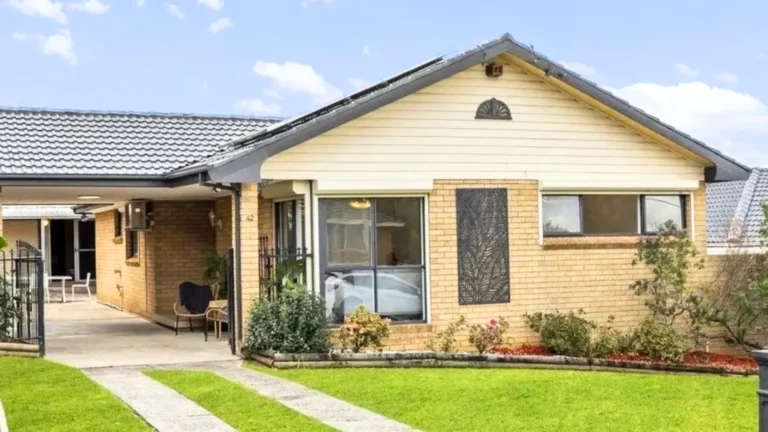
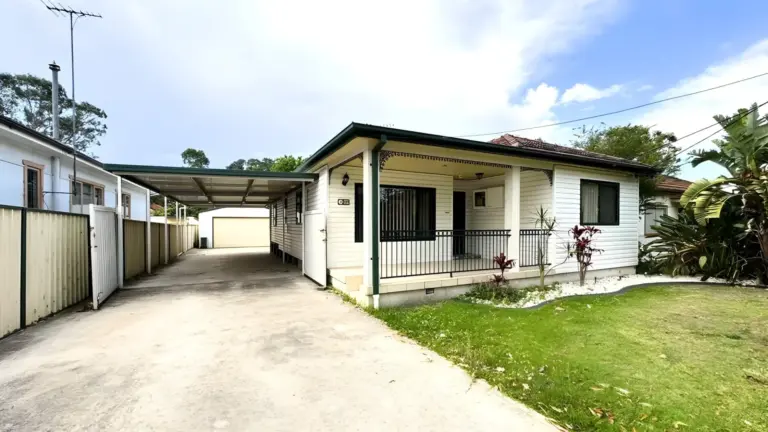
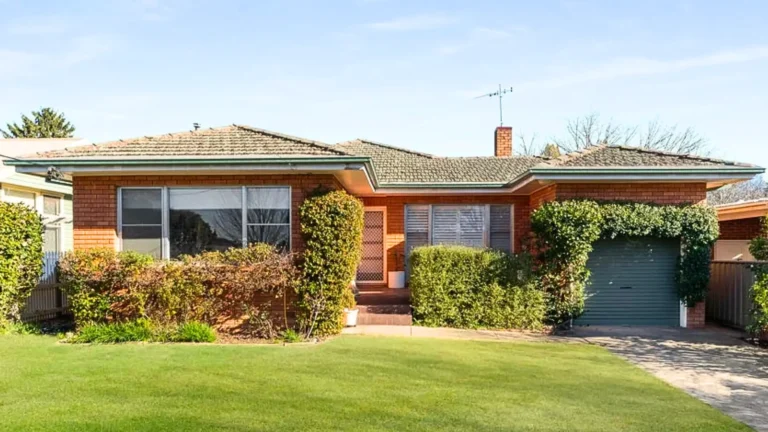
SIL Vacancy – Dubbo, NSW 2830

2 Bedroom

1 Bathroom

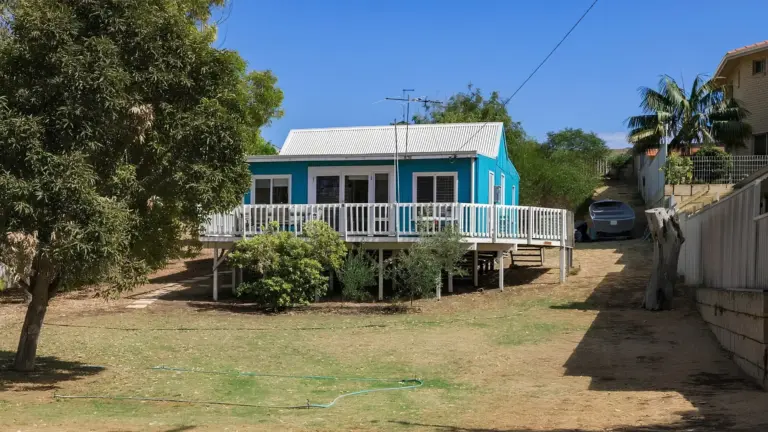
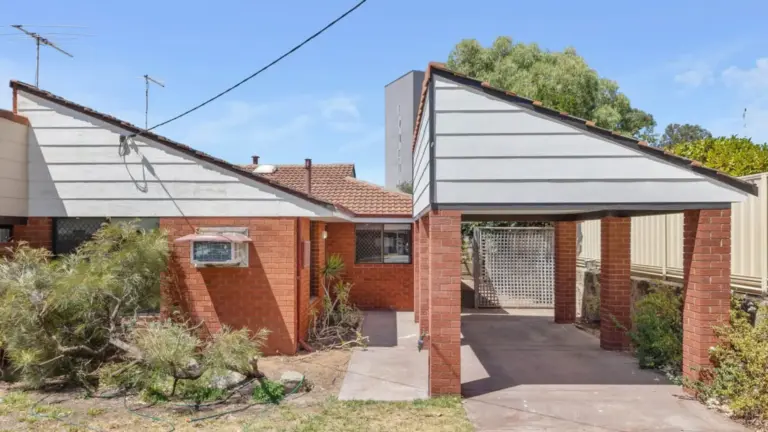
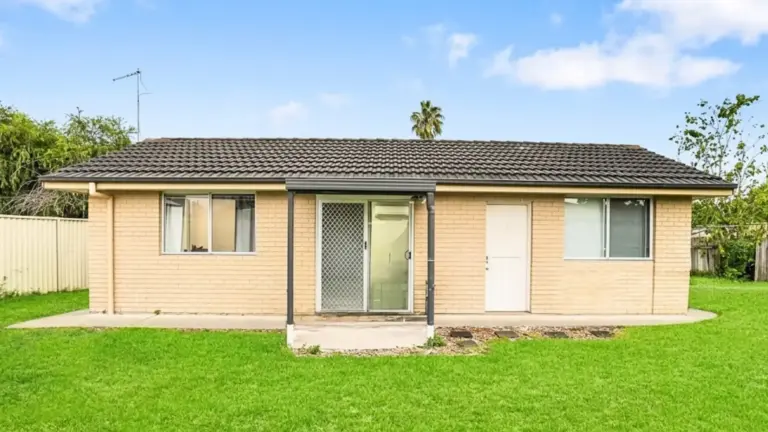
SIL Vacancy – Mosman Park WA 6012

2 Bedroom

2 Bathroom

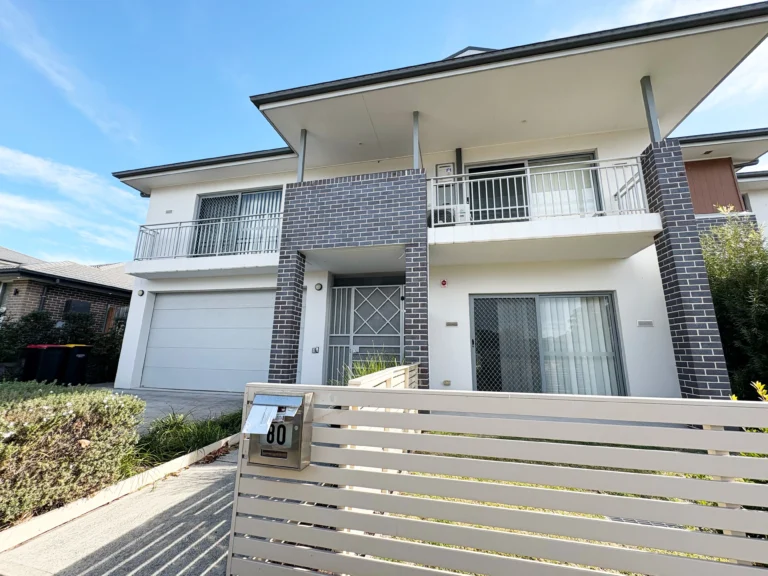
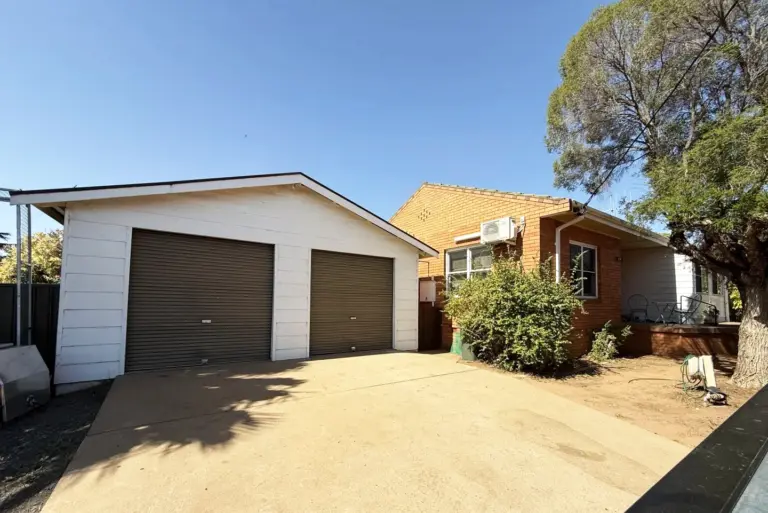
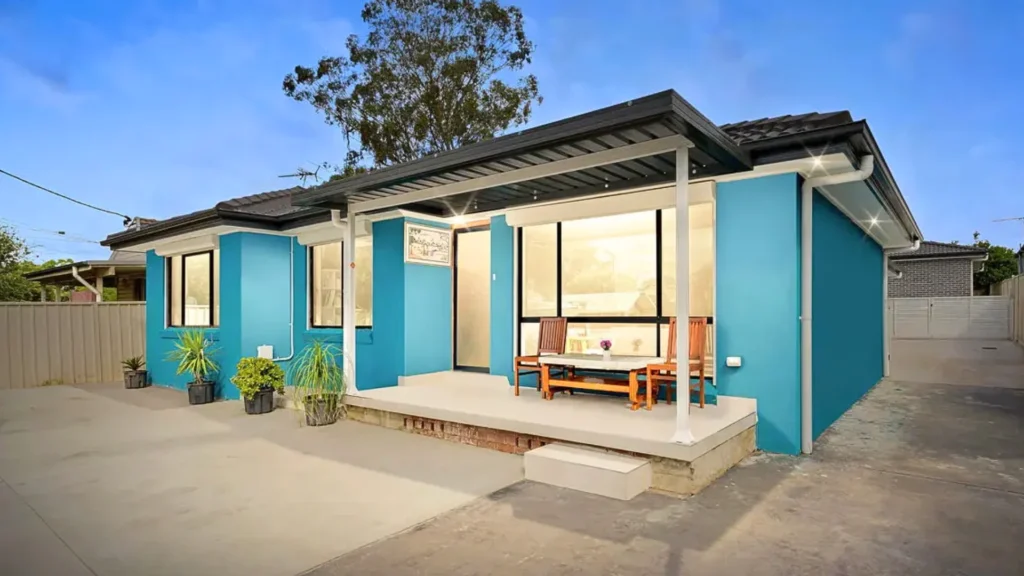
SIL Vacancy – North St. Marys, 2760 NSW

4 Bedroom

3 Bathroom

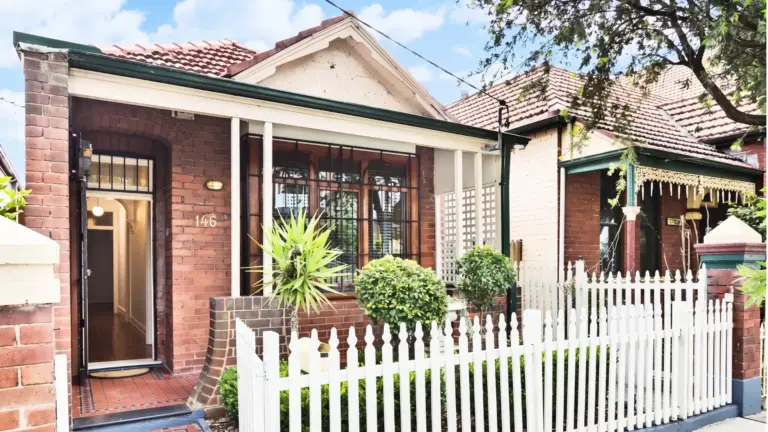
SIL Vacancy – Stanmore, 2048 NSW

SDA

3 Bedroom

3 Bathroom

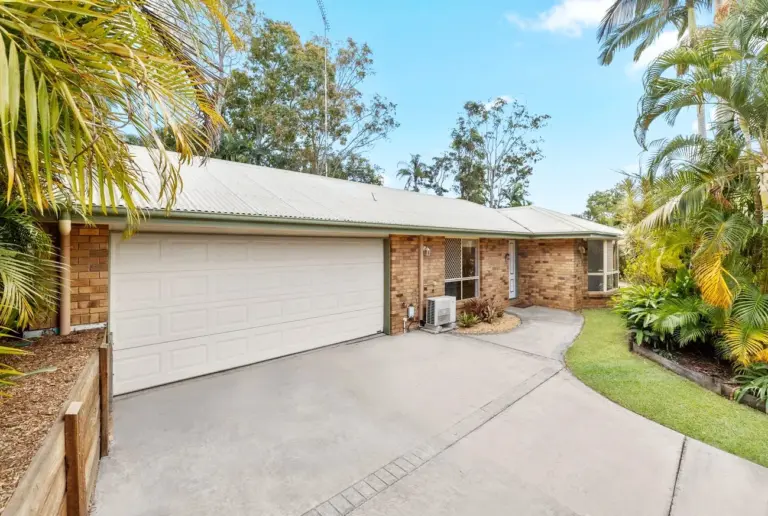
SDA Vacancy – Point Vernon, 4655 QLD

4 Bedroom

2 Bathroom

SIL Home Vacancy – Bli Bli 4560 QLD

Filling Fast

SDA & SIL

5 Bedroom

5 Bathroom

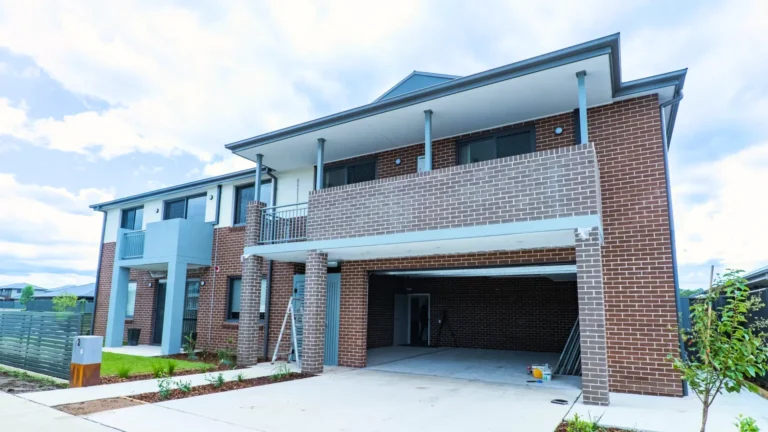
SDA Vacancy – Qualmann House, Jordan Springs, 2747 NSW

Highly Sought After

SIL

5 Bedroom

3 Bathroom

SIL Vacancy – Girraween, 2145 NSW

Brand New Home

SIL

st marys sil home

10 Bedroom

10 Bathroom

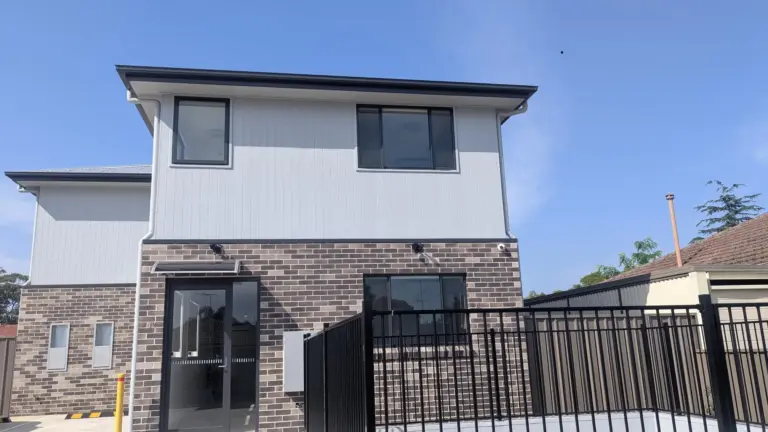
SIL Vacancy – St Marys, 2760 NSW

Filling Fast

SDA & SIL

SDA Werrington home

9 Bedroom

6 Bathroom

SDA Vacancy – Werrington, 2747 NSW

Available Now

SIL

4 Bedroom

2 Bathroom

SIL Vacancy – Chermside West, QLD 4032

Popular Choice

SIL

4 Bedroom

2 Bathroom

SIL Vacancy – Cambridge Park, 2747 NSW

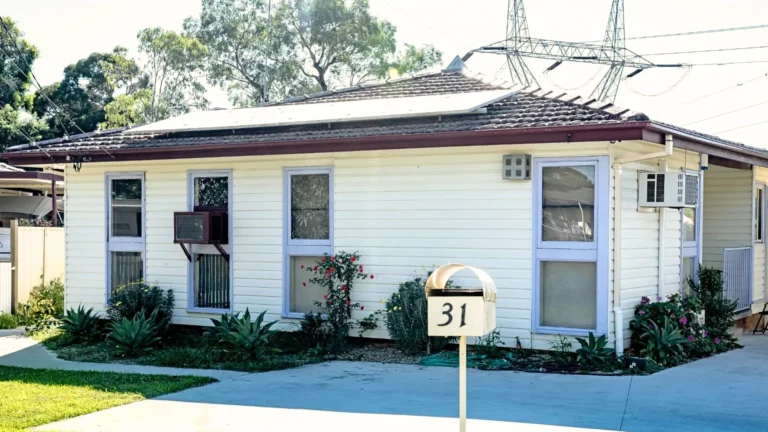
Forrester Road NDIS disability house front entrance garden

3 Bedroom

1 Bathroom

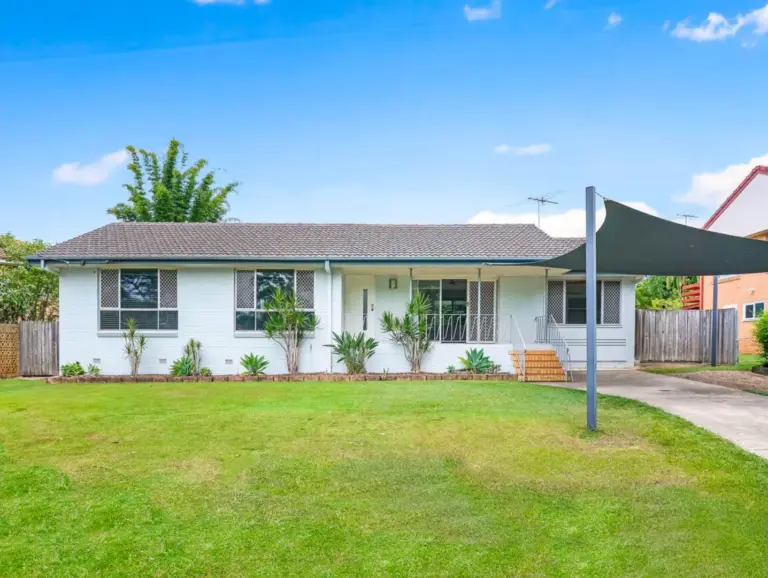
SIL Forrester Road Main House NSW

NDIS disability housing Manila Road NSW front of house

3 Bedroom

1 Bathroom

SIL Vacancy – Manila Main House, Lethbridge Park, 2770 NSW

Just Listed

SIL

3 Bedroom

1 Bathroom

SIL Vacancy – Belmore, NSW 2192

Move In Now

SIL

2 Bedroom

2 Bathroom

SIL Vacancy – Canberra Street, St Marys NSW 2760

6 Bedroom

3 Bathroom

SIL Home Vacancy Fairfield – Mandarin Street NSW

2 Bedroom

SIL Home Vacancy – Dubbo, NSW 2830

Popular Choice

SIL

5 Bedroom

2 Bathroom

SIL Vacancy – Wentworth, Orange, 2800 NSW

SIL

3 Bedroom

1 Bathroom

SIL Vacancy – Rose Ave, Orange, 2800 NSW

4 Bedroom

2 Bathroom

SIL Vacancy – Clifton Grove, 2800 NSW

Just Released

SDA & SIL

4 Bedroom

1 Bathroom

SDA Vacancy – South Granville, 2142 NSW

Highly Sought After

SDA & SIL

2 Bedroom

2 Bathroom

SDA Vacancy, Armoury House, 2747 NSW

SIL

3 Bedroom

1 Bathroom

SIL Vacancy – Parkside Hub, Western Sydney, 2770 NSW

SIL

1 Bedroom

1 Bathroom

SIL Vacancy – Garden Studio, Lethbridge, 2770 NSW

SIL

3 Bedroom

1 Bathroom

SIL Vacancy – Lethbridge, 2770 NSW

SIL

3 Bedroom

1 Bathroom

SIL Vacancy – Tregear, 2770 NSW

Highly Sought After

SIL

3 Bedroom

2 Bathroom

SIL Vacancy – Willow Grove, Orange, 2800 NSW

Filling Fast

SIL

2 Bedroom

1 Bathroom

SIL Vacancy – Penrith, 2750 NSW

SIL

2 Bedroom

1 Bathroom

SIL Vacancy – Maple House, Tregear 2770 NSW

Featured Properties

SIL Vacancy– Accessible Retreat, Cambrige Park, 2747 NSW

5 Bedroom
3 Bathroom
24 hour care

SIL Vacancy – Cambridge Park, 2747 NSW

4 Bedroom
2 Bathroom
24 hour care

Hear from our happy community

Our NDIS Housing Services

Supported Independent Living

Daily support to help you live independently in your home.

Specialist Disability Accommodation

Purpose-built homes designed for people with high functional needs.

NDIS Short Term Accommodation

Temporary professional care while seeking a long-term housing solution.

NDIS Emergency Housing

Rapid, short-term accommodation for participants in urgent situations.

ILO

Live your way, with flexible daily support options tailored to your flexible funding.

High Value Core

Daily Support for people with higher, more complex needs and housing requirements

How to Get Started with Maple

1

Done within 2 hours

Get In Touch
Today

Submit an enquiry and one of our friendly SIL team will call to chat through how Maple can assist you with Accommodation needs.

2

Done within day 1 – 2

Get To Know Each Other

We are all about building strong relationships. We will work with you to gather information to make your transition to your new place as seamless as possible.

3

Done within day 3 – 4

Budget and Approval

The Maple Team will assist you in creating a budget for services required through SIL. Additionally, we will assist with the submission and approval Process.

4

Done by day 5

Services
Delivered

Once your budget has been approved by NDIS; you’re ready to move into your new dwelling, start receiving your services and achieving your goals.

How Maple Community compares to other NDIS providers

Why Maple Community is different Other
Providers

Care That Speaks Your Language

(80% CALD workforce, 50+ languages spoken, support worker matching)

✓ ×

500+ Support Workers and Registered Nurses Ready*

(Immediate support, no more waiting for weeks)

✓ ×

96% Support Worker Retention vs 78% Industry Average

(Same support team, real and long-term relationships)

✓ ×

Dedicated Relationship Contact

(One caseworker, direct mobile and email access - no more chasing)

✓ ×

Supported Independent Living Placement Within 24 Hours*

(A smooth, supported process to make you feel at home)

✓ ×

Referral Acknowledged Within 2 Hours

(Immediate confirmation, never waiting in the dark)

✓ ×

Expertise in Complex & High-Needs Care

(Specialists in HIDPA, complex psychosocial and medical cases)

✓ ×

24/7 Real Person Support Line

(Call any time, day or night, speak to a real person; no bots, no delays)

✓ ×

Built-In Escalation Pathways

(Participants and coordinators get direct access when immediate issues arise)

✓ ×

Reporting You Can Count On

(No chasing, no gaps in documentation when it matters most)

✓ ×

Stable Provider for Every Stage of Your NDIS Journey

(10+ years of stable NDIS delivery across NSW, VIC, QLD, and WA)

✓ ×

1,000+ happy homes filled

Not sure where to start with NDIS housing?

Download our free guide to explore housing options, understand support levels, and learn what to look for when choosing the right home.

Enquire Today

Whether its a query about the services we provide, or just a general enquiry, we would love to hear from you!


    Your Questions, Answered

    Maple Community Services provides a fast-action intake process, responding to all new housing enquiries within one hour during business hours. For participants requiring emergency Supported Independent Living (SIL), Maple offers a 24-hour placement guarantee once funding is confirmed. Our industry-leading benchmark averages just five business days from the initial referral to the commencement of service.

    Maple Community Services prioritises “relationship-led” support to eliminate the “revolving door” of support workers common in the NDIS sector. While the industry average turnover sits between 17% and 25%, Maple maintains a strong 96% staff retention rate. This stability ensures that NDIS participants are supported by a small, dedicated team that understands their personal routines, goals, and heritage.

    Yes, Maple Community Services specialises in culturally responsive care, with 80% of our workforce originating from Culturally and Linguistically Diverse (CALD) backgrounds. We speak over 50 languages collectively, allowing us to match participants with support workers who share their language and respect their cultural or religious traditions. This approach ensures that NDIS housing feels like a genuine home environment.

    Maple Community Services is an elite NDIS provider specialising in Complex Care and High Intensity Daily Personal Activity (HIDPA). We often support “hard-to-place” participants who require specialised nursing, respiratory care, or behavioural intervention. By integrating assistive technology and home modifications into our housing solutions, we provide safe, dignified support for participants with significant medical or psychosocial needs.

    Maple Community Services employs a unique customer service model where families and coordinators always speak to a real person rather than a chatbot. We provide a dedicated contact for each participant and maintain a 24/7 support line for real-time updates. This ensures unparalleled transparency regarding housing transitions, incident reporting, and ongoing NDIS plan utilisation.

    To be eligible for NDIS housing, you must first be a current NDIS participant with an active plan. While Supported Independent Living (SIL) is available to those who need regular support with daily tasks, Specialist Disability Accommodation (SDA) is specifically for the 6% of participants with extreme functional impairment or very high support needs.

    To secure NDIS housing, you must follow a structured application process that prioritises clinical evidence and specific plan goals. The first step is to ensure your NDIS plan includes a clearly defined home and living goal that reflects your need for independence or support. You must then gather essential evidence, primarily a Functional Capacity Assessment conducted by an Occupational Therapist, which serves as the cornerstone of your application. Finally, you are required to lodge the Home and Living Supporting Evidence Form with the NDIA, accompanied by relevant allied health reports and incident records to support your request. Maple Community Services assists with this journey through an industry leading intake process that manages the heavy lifting of documentation and funding checks to move you from referral to support as quickly as possible.

    1. Shared SIL Home with 24/7 Onsite Support

    What it is: You live in a home with other NDIS participants, with a team of support workers onsite 24/7.

    Best for: People with moderate to high support needs who benefit from structure, routine, and consistent care.

    Pros: Built-in community, shared routines, cost-effective staffing

    Considerations: Less individual control over environment, shared space

    This is the most common SIL model and is often offered in purpose-built SIL homes or NDIS housing with accessible features.

    1. Individualised SIL (Solo Living)

    What it is: You live alone in your own house or unit, and a support team provides SIL supports tailored to your needs—either full-time or scheduled.

    Best for: Participants who value privacy and independence, but still require daily support

    Pros: Maximum choice and control, quiet environment, flexible routines

    Considerations: May require higher funding; limited social interaction unless planned

    This is your own home, with your own support team. This model works well when paired with private rentals or family-owned NDIS-compliant homes.

    1. Drop-In SIL Support

    What it is: A support worker visits your home during the day for short periods to help with tasks like cooking, cleaning, or medication, rather than providing continuous care.

    Best for: Participants with lower support needs who want to build independence

    Pros: Affordable, promotes self-management

    Considerations: Not suitable for participants needing supervision or overnight care

    This features come-and-go support when needed. This is ideal for those transitioning out of full-time support into more independent NDIS housing.

    1. Cluster Housing or Apartment Living Models

    What it is: You live in a self-contained apartment within a complex that also houses other participants. Support workers are on-site or nearby to assist when needed.

    Best for: People who want independent living but also access to community and quick support

    Pros: Private space, shared services, a balance of independence and security

    Considerations: Not as personalised as solo SIL; still some shared services

    Think independent apartments with shared support that are often integrated with NDIS SDA properties for high physical or cognitive needs.

    In 2026, SIL funding typically covers:

    1. 24 Hour or Scheduled Support

    Support workers may be rostered across day, evening and overnight shifts depending on participant needs.

    1. Skill Development

    Many SIL homes include support to build independent living skills such as budgeting, cooking and self care.

    1. Behavioural Support Implementation

    For participants with Behaviour Support Plans, trained staff assist in implementing strategies safely.

    1. Community Participation

    Assistance to attend appointments, social activities and employment programs.

    1. Shared Support Arrangements

    Where appropriate, funding may be shared across housemates to improve affordability and sustainability.

    To make a property accessible for people living with disabilities, the house should be easy to navigate into and around. At the same time, it should meet the occupants needs while reducing the likelihood of any injuries. As there are many different forms of disability, the changes you make will be dependent on the specific access limitations of the individuals requiring accommodations. If you or your loved one only require minor changes to your dwelling to suit your needs, the installation or renovations may be likewise minor. However, if a person has more severe access limitations, the adjustments made will likely be more significant in scope and scale.

    Widen doorways – doorways are not always made with wheelchairs and walkers in mind, but they can be adjusted professionally. Alternatively, you may be able to install offset hinges which will help the door swing clear of the doorway when opening which could add a few inches of clearance.

    Build a ramp – ramps can help any person with mobility limitations to access a property more easily. Building a ramp often requires a permit and should meet specific standards for safety and structure, so be sure to check local building codes before you begin.

    Add grab rails – grab rails are essential assistive devices in most accessible properties, especially for use in the toilet or bathroom to a person’s stability and grip points. These should be anchored securely to wall studs or a reinforced wall for maximum safety.

    Install a toilet riser – a toilet riser can make standing up or sitting down easier for those who may have trouble bending over or transitioning between standing and sitting. These can be purchased at most home improvement stores, though be sure they are installed properly.

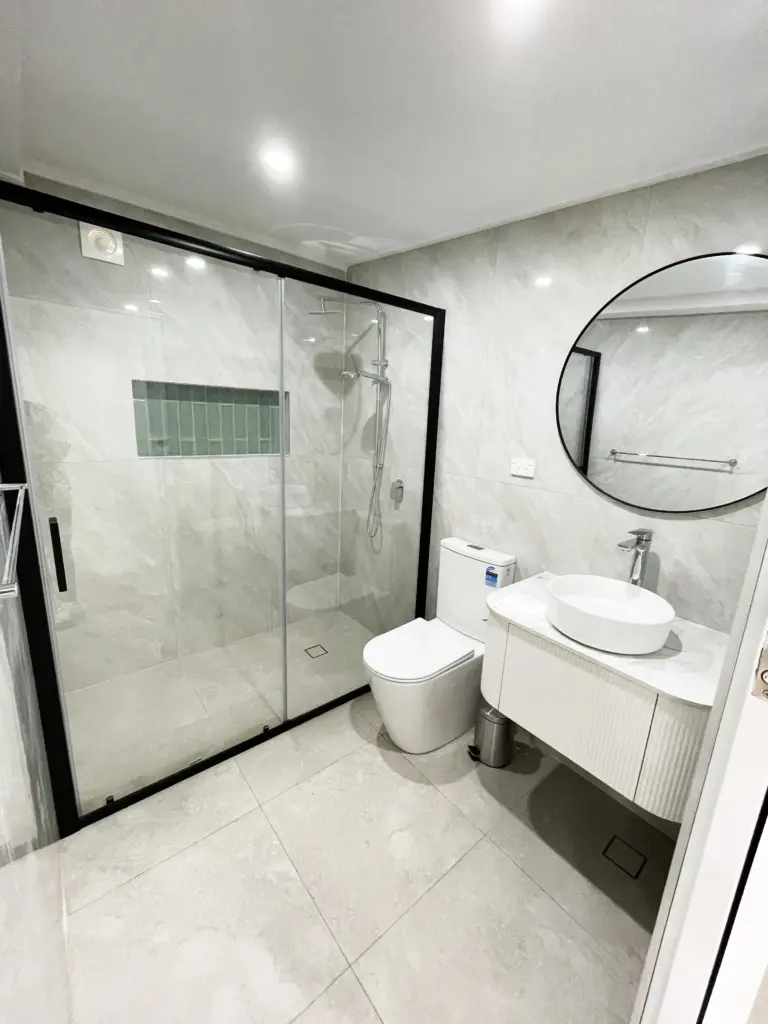
    Create a wet room or one-level shower – climbing in and out of a bath or standing in a shower to bathe can present a challenge for those with limited mobility. Bathing can be made a lot easier with a wet room setup that is accessible to a wheelchair. Alternatively, a step-in bathtub or a shower with a bench are other helpful options..

    Consider flooring – thick carpeting and rugs can be a trip hazard and make it difficult for those with walkers and wheelchairs. Hardwood flooring, vinyl, or ceramic tile throughout the house will make getting around the house much more accessible to those with mobility limitations..

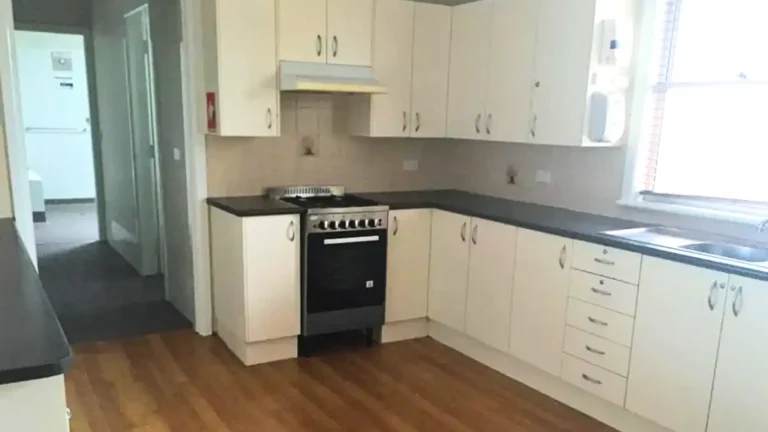
    Re-arrange your kitchen – for people living with disabilities, a well planned kitchen can make a world of difference. Moving everyday items into lower cupboards for easy access and locating frequently used appliances in accessible areas can make navigating a kitchen much more accessible. Another helpful adaptation is lowering work surfaces and cupboards where possible to ensure they can be reached from any height.

    Lower closet rods – By lowering closet rods, clothes are easier to reach or store. If rods are roughly 2 feet from the floor, people in wheelchairs will have far better access when dressing themselves.

    Add lever door handles – turning door knobs and some tap faucets can be a challenge for those with dexterity and hand coordination limitations. Lever handles are usually easier to use and don’t require additional adjustments beyond proper installation.

    Furniture placement – a clearance of at least 32 inches between items of furniture allows easier movement for people who use wheelchairs or walkers. Additionally, elevating furniture with furniture coasters or small blocks can also help people sit down easier or more comfortably.

    Install a stairlift – when a home has multiple levels of living space, a stairlift or elevator can provide improved access between different levels or floors. These frequently require ample space to install, so it may not be an option for every home.

    Access to the garden – if your home has outside space, the land can be leveled to make for more convenient access. Additionally, ramps can make the area more accessible to those with wheelchairs or walkers.

    Lighting – for people with partial visual impairment, brighter lights throughout the home can make your space more accessible. Also, adding night lights in rooms or lights triggered by motion sensors in the bathroom, kitchen, or other areas can make a space easier and safer to navigate.

    Adding power-assisted doors – doors that open automatically with a push-button, sensor, or other mechanism can improve access for people with limited mobility or dexterity.

    The NDIS can fund home modifications for a primary residence as part of a participant’s NDIS plan in order to make their home more accessible. Funding is only given if the modifications are reasonably required to enable the participant to safely access and move around frequently used areas. An Occupational Therapist will need to perform an accessibility assessment and may recommend modifications and alternatives.

    In addition, the NDIA must be satisfied that the modifications being considered provide value for money and that there are no laws, regulations, or planning restrictions that would prevent the modifications from being placed. Ultimately, the modifications should help NDIS participants achieve their individualised goals. The NDIS website provides more details on their specific policies.

    Stay up to date with the latest NDIS Housing news

    Compare SIL Service Models: Which One is Right for You?

    SIL is a life-changing NDIS support, but choosing the right service model starts with understanding your options.

    How to Choose the Right SIL Provider: A Guide for NDIS Participants in NSW

    Choosing the right SIL provider can shape everything. From how safe and supported you feel each day, to how confidently you build your independence.