
- Home
- About Us
- Referrals
- Disability Support Services
- Albinism Support
- Arthritis Support
- Anxiety Support
- Autism
- Bipolar Support
- Brain Injury Support
- Cerebral Palsy Support
- Depression Support
- Down Syndrome Support
- Physical Impairment Support
- Genetic Condition Support
- Multiple Sclerosis
- NDIS Huntingtons Support
- NDIS Mental Illness Support
- Neurological Disability Support
- Motor Neurone Disease Support
- Muscular Dystrophy Support
- NDIS Palliative Support
- NDIS Parkinson’s Disease Support
- PTSD Support
- Rheumatoid Arthritis Support
- NDIS Stroke Support
- Core Supports
- Supported Independent Living
- Find Your Support Worker
- NDIS Services
- Locations
- Careers
- News
- Contact Us
- Disability Support
- Anxiety Support
- Autism Support
- Brain Injury Rehabilitation
- Bipolar Support
- Cerebral Palsy Support
- Depression Support
- Down Syndrome Support
- Genetic Condition Support
- NDIS Huntingtons Support
- NDIS Mental Illness Support
- Motor Neurone Disease Support
- Muscular Dystrophy Support
- NDIS Parkinson’s Disease Support
- Physical Impairment Support
- PTSD Support
- Rheumatoid Arthritis Support
- NDIS Stroke Support
- NDIS Visual Impairment
- Psychosocial Disability Support
- Intellectual Disability Support
- Neurological Disability Support
- ADHD Support
- Core Supports
- Supported Independent Living
- NDIS Services
- Locations
- Why Maple
- Home
- About Us
- Referrals
- Disability Support Services
- Albinism Support
- Arthritis Support
- Anxiety Support
- Autism
- Bipolar Support
- Brain Injury Support
- Cerebral Palsy Support
- Depression Support
- Down Syndrome Support
- Physical Impairment Support
- Genetic Condition Support
- Multiple Sclerosis
- NDIS Huntingtons Support
- NDIS Mental Illness Support
- Neurological Disability Support
- Motor Neurone Disease Support
- Muscular Dystrophy Support
- NDIS Palliative Support
- NDIS Parkinson’s Disease Support
- PTSD Support
- Rheumatoid Arthritis Support
- NDIS Stroke Support
- Core Supports
- Supported Independent Living
- Find Your Support Worker
- NDIS Services
- Locations
- Careers
- News
- Contact Us
NDIS Albinism Support & Care
Bright sunlight, glare, and vision challenges can make everyday activities more difficult for people living with albinism. Our personalised 24/7 NDIS support helps participants build confidence, maintain their independence, and achieve the goals that matter most.
Living with albinism can affect vision, mobility, education, employment, and everyday activities in different ways. With the right support, participants can build confidence, develop practical skills, and continue participating in the people, places, and opportunities that are important to them.
Our extensive experience, capacity for 24/7 support, and strong community spirit set us apart when it comes to providing Albinism Support. Our pervading family values and friendly specialists give you and your loved ones peace of mind and exceptional support to pursue a happy, fulfilling, and independent life.
Are you or a loved one eligible for NDIS funding?
Trusted NDIS Registered Specialists
8,000+
Happy participants supported
10+ Years
Delivering
NDIS Services
50+
Languages to make
you feel at home
24/7
Support and
same day booking
Why choose Maple
for Albinism Support
Everyone's NDIS Journey looks different.
Find albinism support that works for you.
Choose the right partner, not a provider.
1
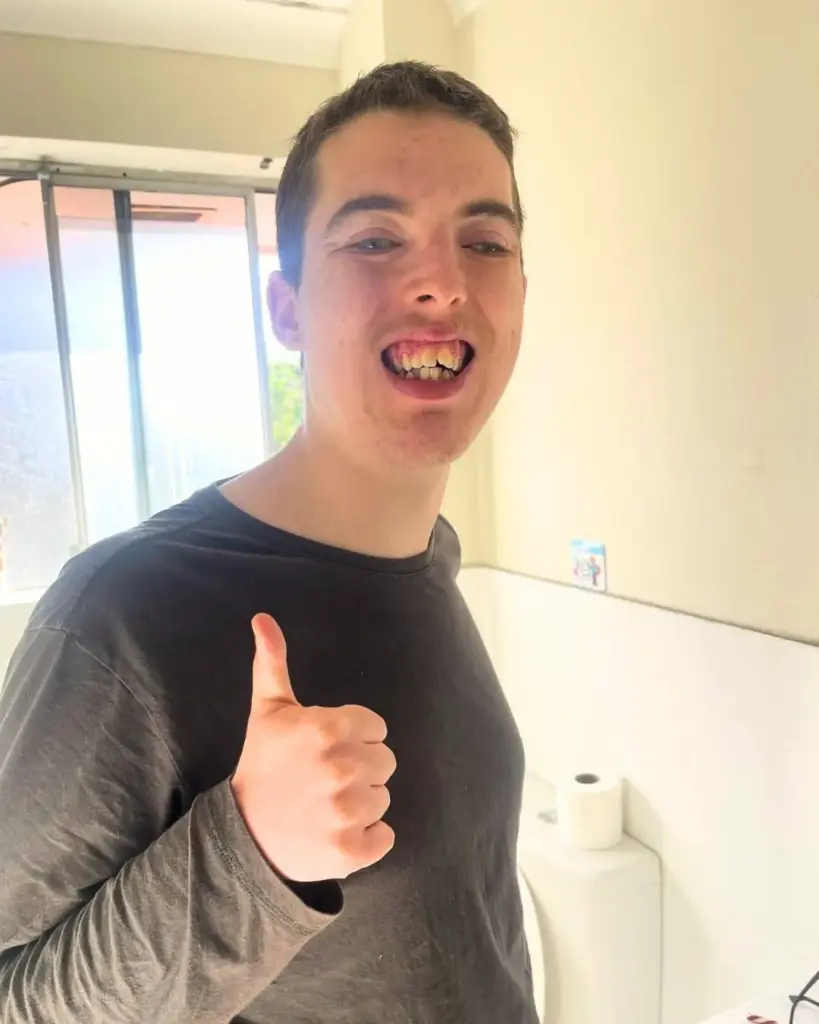
I am an NDIS Participant
I want independence, choice, and a team that knows my name
2
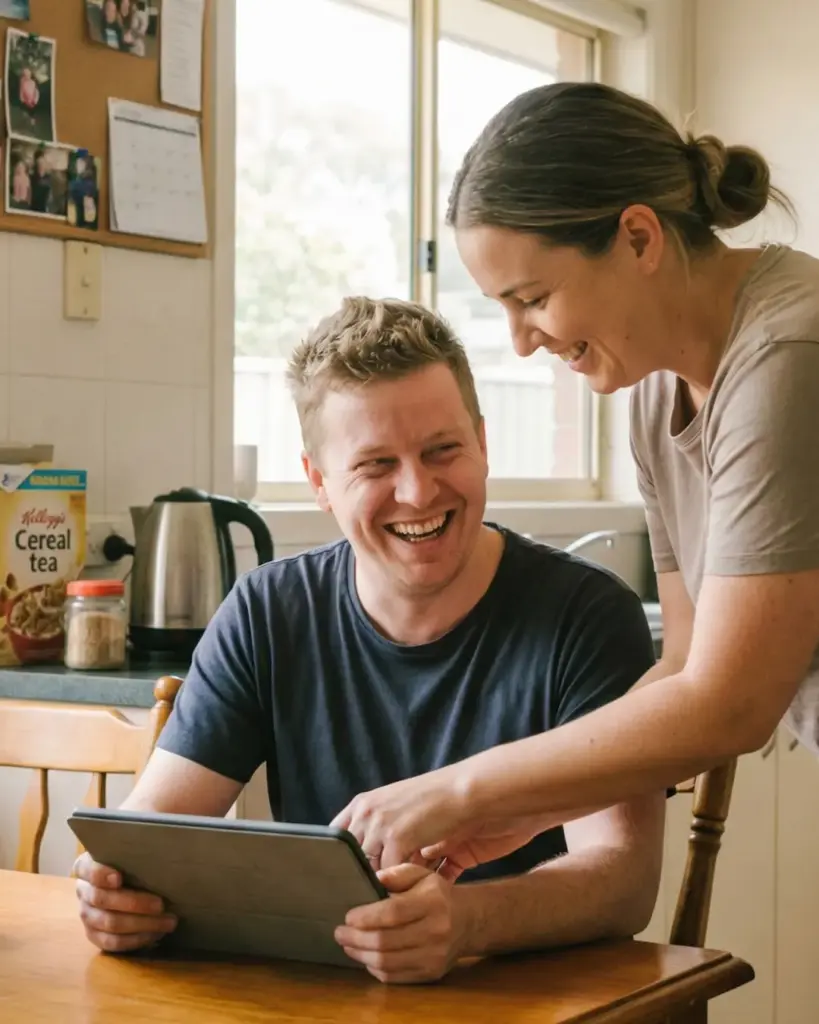
I am a Family / Carer
I need a trusted partner to share the load and provide peace of mind
3
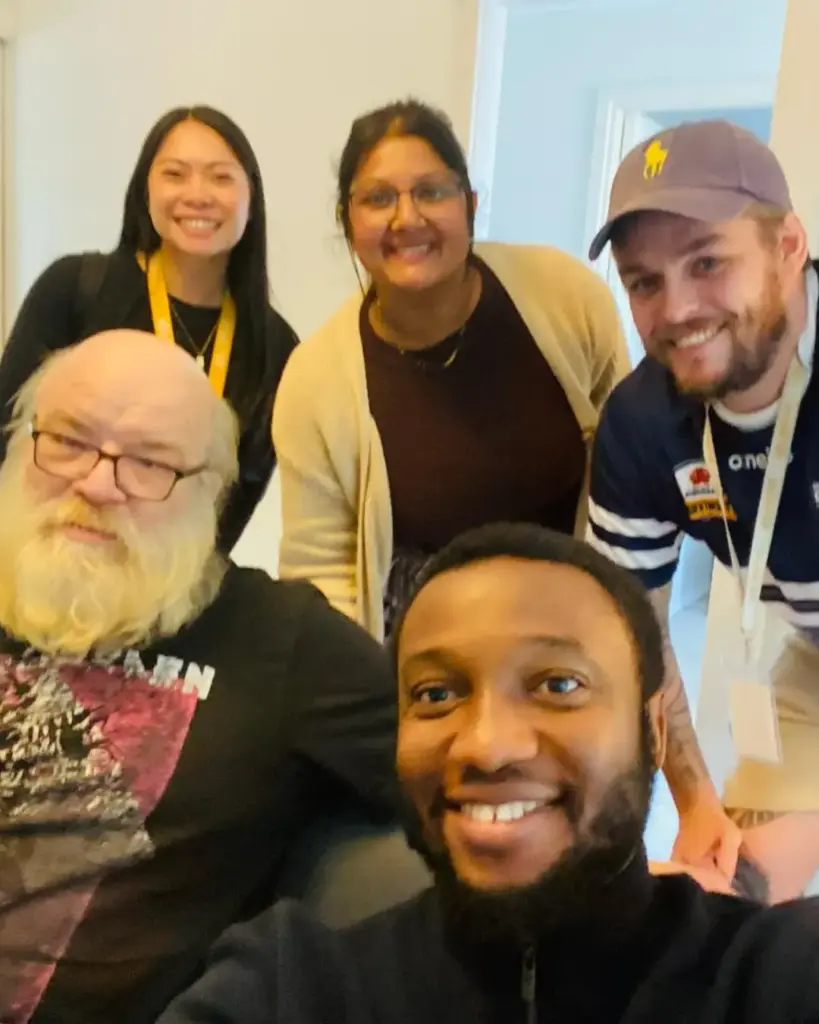
I am a Support Coordinator
I need a responsive partner for everyday support and complex, high-need referrals
Who Can We Help?
We provide albinism support for people, families, and support networks, with flexible NDIS services that promote independence, accessibility, and confidence in everyday life.
People Living with Albinism
Living with albinism can affect vision, mobility, and participation in everyday activities. We provide practical support that helps participants navigate daily life with confidence, maintain their independence, and continue working towards their personal goals.
People with Vision-Related Support Needs
Tasks such as travelling independently, reading signs, attending appointments, or accessing education and employment can sometimes require additional support. Our experienced Support Workers provide personalised assistance that helps participants overcome everyday barriers while building confidence and independence.
People Wanting to Stay Active and Connected
Having albinism shouldn't prevent someone from participating in work, study, hobbies, or their local community. We support participants to attend appointments, access community activities, develop life skills, and stay connected to the people and experiences that matter most.
Families and Carers
Supporting someone living with albinism often means helping them navigate everyday challenges while encouraging independence. We provide reliable support, clear communication, and respite opportunities so families can feel confident their loved one is receiving compassionate, person-centred care.
Support Coordinators and Healthcare Professionals
Supporting people living with albinism often involves a collaborative approach. We work closely with Support Coordinators, Ophthalmologists, Optometrists, Occupational Therapists, Allied Health Professionals, and broader care teams to deliver coordinated support that aligns with each participant's vision needs, goals, and everyday lifestyle.
What Our Clients Are Saying
Maple provided me with a different way of looking at life. It is difficult to go out and enjoy social settings when you look different but they have made me stronger and I feel I can overcome any challenge I face now.
EmmaMaple Participant 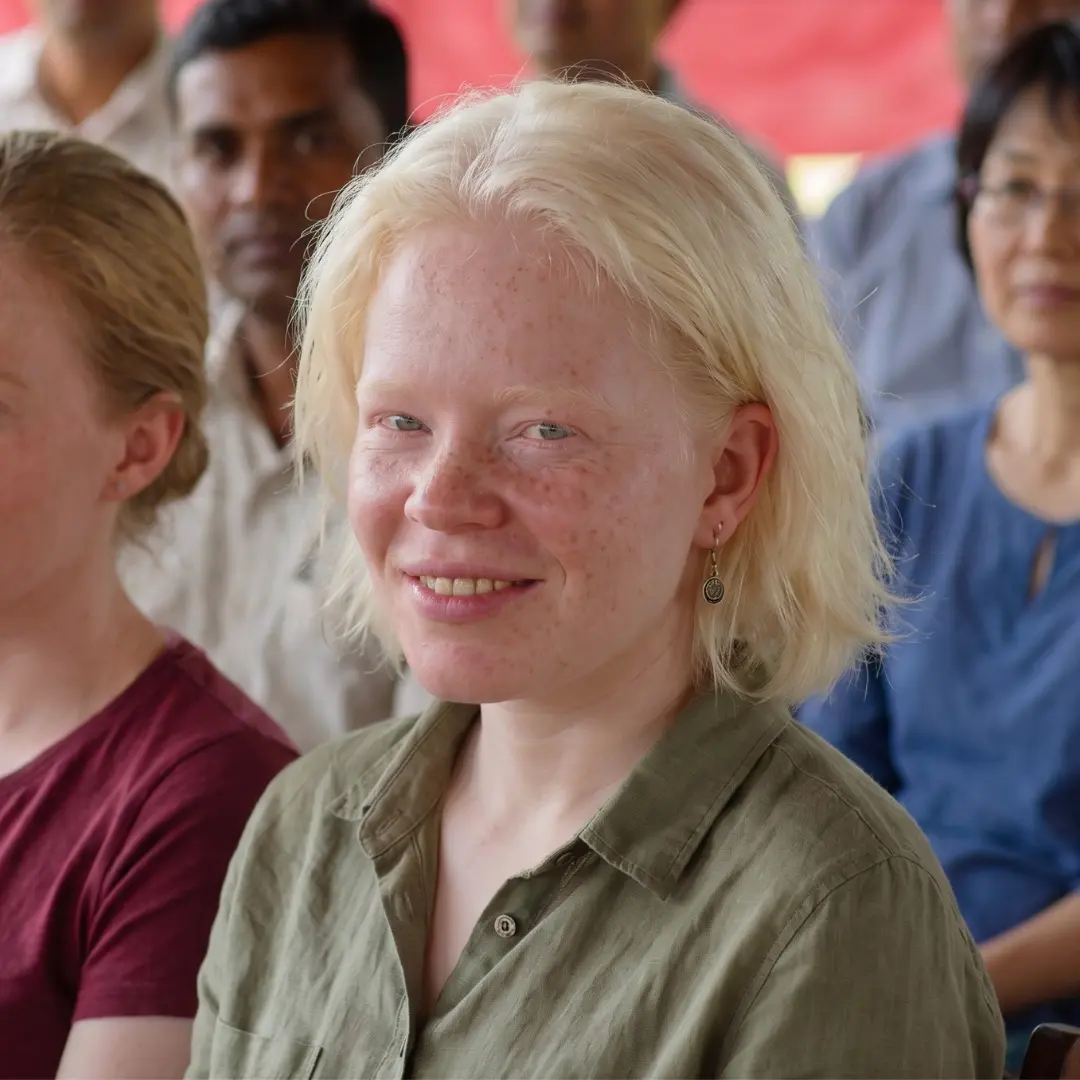
Our sons confidence is growing everyday thanks to the support he gets from Maple.
DanielFamily Carer 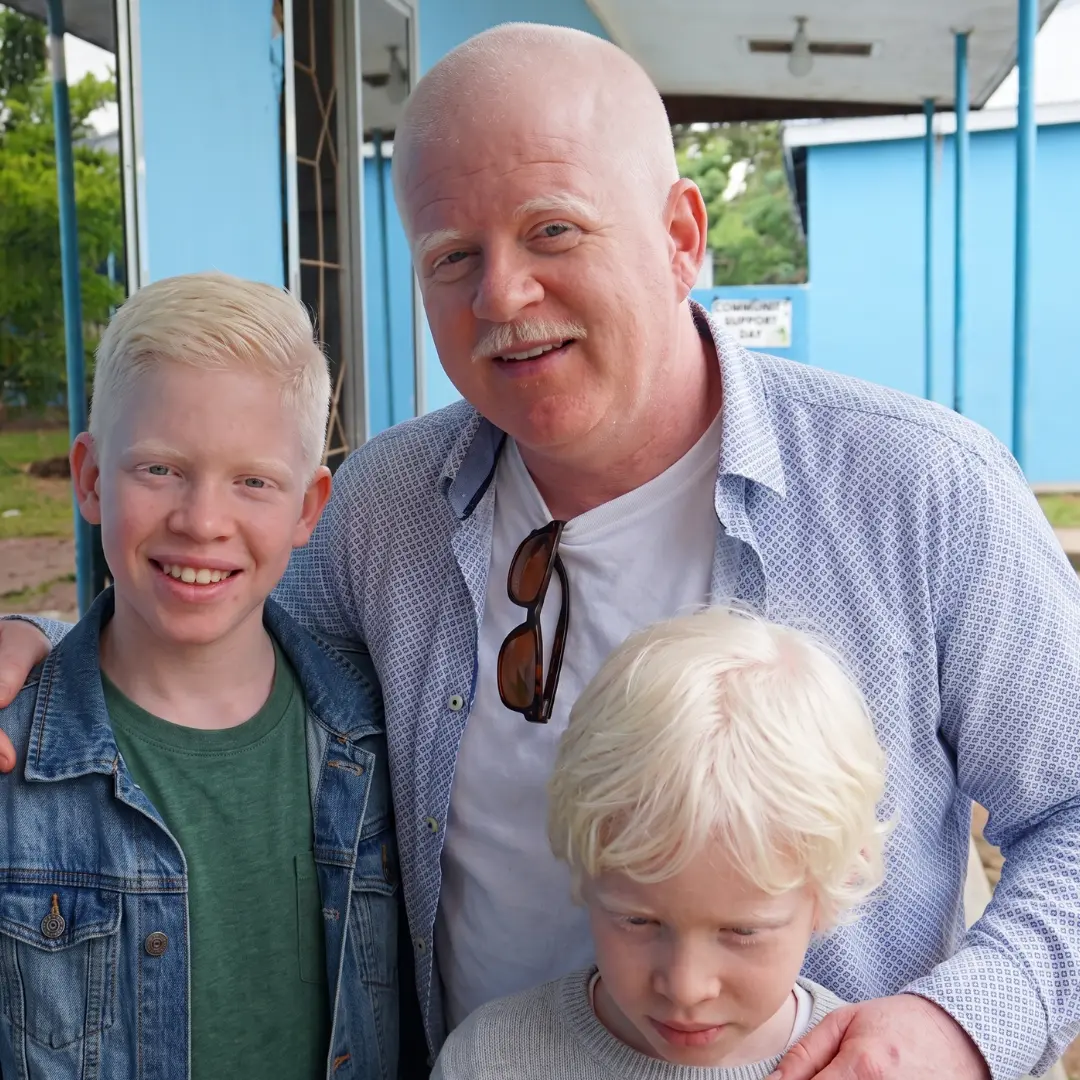
Maple has taken the time to help clients with their assistive technology and home modifications which has vastly improved their wellbeing.
PriyaOccupational Therapist 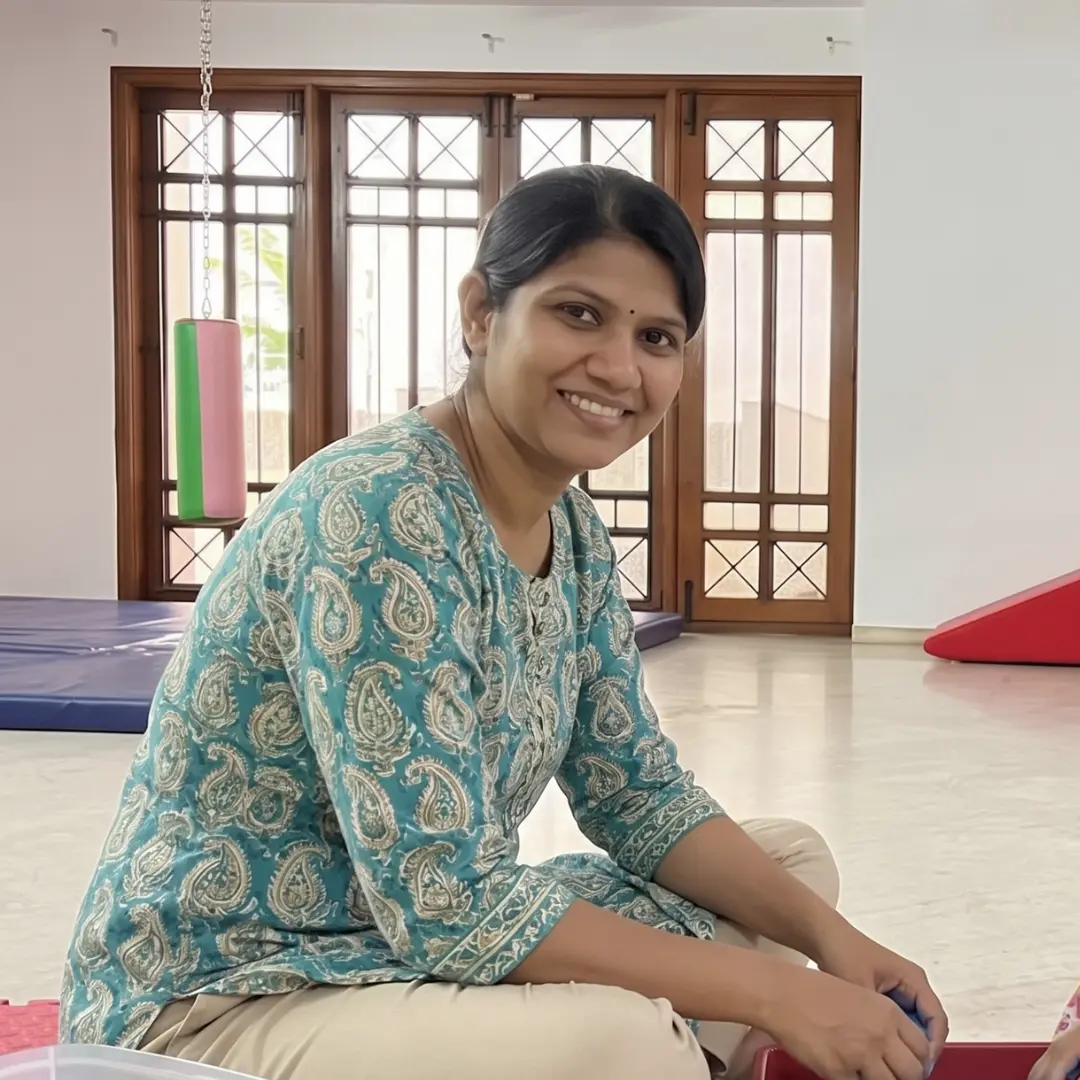
Find your Perfect Support Worker
Looking for support you can trust? Our 2-minute quiz helps match you with the right care and support options.
Find your perfect support worker match
Answer 7 quick questions. We'll show you who we think would be a great fit.
It only takes 2 minutes.
🔒 Your answers are private · No commitment needed
Step 1 of 7
First up — who are we finding a support worker for?
👤
Myself
👨👩👧
My family member
👤
My client We'll tailor this for coordinators
What kind of support are you looking for?
You can pick up to 3.
🏠Help at home
🤲Personal care
🧠Complex or high-intensity care
🚌Getting out in the community
🧩Autism or behaviour support
💊Mental health support
🏥Medical or clinical care
🧓Aged or disability support
🏡Supported Independent Living (SIL)
📋Something else
Does speaking the same language matter to you?
Yes, it's really important to me
It would be nice but not essential
Not important to me
Are there any cultural or religious practices your support worker should know about?
Things like dietary needs, prayer times, or family traditions — these matter to us.
Yes, this is important to me
A little — I'll share more later
Not important for me right now
Do you have a preference for the gender of your support worker?
Especially for personal care, this is completely your choice.
Female support worker preferred
Male support worker preferred
No preference
What kind of person do you want your support worker to be?
Think about who you'd actually enjoy spending time with. Pick up to 3.
😊Warm and chatty
🤝Calm and reassuring
💪Motivating and energetic
🎯Focused and professional
🎮Shares my interests
🌱Patient and gentle
🔬Experienced and skilled
Where are you located?
We'll check if we have workers available in your area.
We may still be able to help — get in touch.
Contact UsLooking at your answers...
Finding support workers who match your needs...
We've found some great options for you.
Great news — we've found the perfect support workers for you
Your matches are ready. Enter your details to see who we think would be a great fit.
👤
Sarah M.
Support Worker8 yrs experience
Parramatta, NSW
Personal Care & Community Access
EnglishArabic
🔒
👤
James T.
Support Worker5 yrs experience
Blacktown, NSW
Mental Health & Daily Living
EnglishHindi
🔒
👤
Linh P.
Support Worker6 yrs experience
Liverpool, NSW
Autism Support & SIL
EnglishVietnamese
🔒
Unlock your matches + get a free guide on how to choose the right NDIS support worker to achieve your goals
✅
You're on your way. We've sent your guide and match summary to . One of our team will be in touch shortly to talk through your options — no pressure, just a friendly chat.
Explore our support services →
🏆
96% Support worker retention
The lowest turnover in the industry
🌏
50+ languages spoken
By our team
🤝
8,000+ families supported
Across Australia
📞
24/7 real-person support
Never a bot
What Does Our
Albinism Support Involve?

Personal Care
For some people living with albinism, vision-related challenges can make everyday personal care tasks more difficult. Our Support Workers provide respectful assistance with dressing, grooming, meal preparation, and daily routines while promoting dignity, confidence, and independence.

Household Tasks
Managing household responsibilities can sometimes require additional support. We can assist with cleaning, laundry, shopping, meal preparation, and other household tasks to help participants maintain a safe, comfortable, and organised home.

Travel and
Transport
Travelling independently, navigating unfamiliar environments, or attending appointments can present additional challenges for some people living with albinism. We provide safe and reliable transport that helps participants stay connected to work, education, healthcare, and community activities.

Community Participation
Everyone deserves the opportunity to participate confidently in their community. We support participants to attend social outings, recreational activities, education, employment, volunteering, and community events while providing practical assistance that encourages independence and inclusion.

Daily Living Support
Everyday life looks different for everyone. We help participants build practical life skills, establish routines, increase their confidence, and maintain their independence while working towards their personal goals.

Vision Support
Vision challenges can affect how people complete everyday tasks and access their community. Our experienced team provides practical support that helps participants navigate daily activities safely, build confidence, and remain as independent as possible.

Coordination with Health Professionals
Many people living with albinism receive support from Ophthalmologists, Optometrists, Occupational Therapists, GPs, Support Coordinators, Allied Health Professionals, and other members of their care team. We work closely with the wider support network to ensure services remain coordinated, consistent, and aligned with each participant’s vision needs and personal goals.
How much funding can you get from NDIS?
How to Get Started with Maple
Step 1
Reach out
Send us a message or give us a call. We are here to listen.
Step 3
We Find the Right Fit
Our team matches you with the right support and people who suit you best.
Step 2
Tell Us About You
We will have a relaxed chat to understand your needs, goals, and what matters most to you.
Step 4
Start Your Journey
We set everything up so you can begin with confidence, knowing you are supported every step of the way.
How Maple Community compares
| Why Maple is Different |

|
Other Providers |
|---|---|---|
Care That Speaks Your Language80% CALD workforce, 50+ languages spoken, support worker matching |
✓ | ✕ |
500+ Support Workers and Registered Nurses Ready*Immediate support, no more waiting for weeks |
✓ | ✕ |
96% Support Worker Retention vs 78% Industry AverageSame support team, real and long-term relationships |
✓ | ✕ |
Dedicated Relationship ContactOne caseworker, direct mobile and email access |
✓ | ✕ |
Supported Independent Living Placement Within 24 Hours*A smooth, supported process to make you feel at home |
✓ | ✕ |
Referral Acknowledged Within 2 HoursImmediate confirmation, never waiting in the dark |
✓ | ✕ |
Expertise in Complex & High-Needs CareSpecialists in HIDPA, psychosocial and medical cases |
✓ | ✕ |
24/7 Real Person Support LineCall any time and speak to a real person |
✓ | ✕ |
Built-In Escalation PathwaysDirect access when urgent issues arise |
✓ | ✕ |
Reporting You Can Count OnNo chasing and no documentation gaps |
✓ | ✕ |
Stable Provider for Every Stage of Your NDIS Journey10+ years of stable NDIS delivery across Australia |
✓ | ✕ |
10, 000+ goals achieved hear from our community.
How We Can Help You
Core Supports
Practical day-to-day support that helps people living with albinism maintain their independence, manage everyday activities, overcome vision-related challenges, and participate confidently in their community.
Support Coordination
Guidance to help navigate an NDIS plan, connect with Ophthalmologists, Optometrists, Occupational Therapists, Allied Health Professionals, community supports, and other providers that align with each participant's vision needs, goals, and lifestyle.
Plan Management
Stress-free management of NDIS funding and provider payments, giving participants and families more time to focus on their wellbeing, independence, and achieving their personal goals.
Accommodation
Safe and supportive living environments, including Supported Independent Living (SIL), that provide personalised assistance for people living with albinism while promoting independence, accessibility, and confidence in everyday life.
Are you looking for a Supported Independent Living?
Our SIL vacancies span shared homes and individual options across NSW, VIC, QLD, and WA.
We service all suburbs across Sydney and other key cities across Australia
Enquire Today
Whether its a query about the services we provide, or just a general enquiry, we would love to hear from you!
Your Questions, Answered
Does Maple Community Services provide NDIS support for people living with albinism?
Yes. Maple Community Services provides personalised NDIS support for people living with albinism. Our experienced Support Workers can assist with personal care, household tasks, community participation, travel, Supported Independent Living (SIL), and other supports that help participants live more independently and confidently.
Albinism affects one in 17,000 Australians and, with the help of NDIS funding, we are working to make sure you can live a full life. If you or your loved one are living with Albinism that causes disability, our Albinism Support Specialists are highly skilled and trained to provide the expert assistance you need.
Can Maple tailor support to my vision needs?
Absolutely. Every person living with albinism has different goals and levels of vision impairment. We tailor our support to each participant’s individual needs, routines, and lifestyle, providing practical assistance that promotes confidence, accessibility, and independence.
Can Maple work with my eye care and healthcare team?
Yes. We regularly collaborate with Ophthalmologists, Optometrists, Occupational Therapists, Allied Health Professionals, Support Coordinators, and other members of your care team to ensure your NDIS supports remain coordinated and aligned with your individual goals.
Can Maple provide Supported Independent Living (SIL) for people with albinism?
If you’re eligible for Supported Independent Living (SIL) through the NDIS, we can provide accommodation and personalised daily support that promotes independence, accessibility, and choice while helping you achieve your personal goals.
Why do families choose Maple Community Services for albinism support?
Families choose Maple because we understand that the impact of albinism is different for every person. Our Team is comprised of highly experienced Support Workers and Management Staff; all from varying walks of life. We work hard to match you up with the best Support Workers around; those that can speak your language, have the same interests, and have experience working with like-minded people.
What Skills & Qualifications do Maple’s Albinism Support Workers have?
Our Support Workers for Albinism have studied and trained diligently to understand and respond to the needs of people living with Albinism. You can feel confident and at ease with our Support Workers’ exceptional skills and qualifications. We pride ourselves on our years of experience providing Albinism Support.
Why Choose Maple for Albinism Care?
At Maple Community Services, we focus on building strong relationships with each and every client that approaches us, providing you with the tools, supports, and access to services that will enable you to live independently and work towards achieving your goals.
Our priority is matching you with a like-minded Support Worker, someone who speaks your language, understands your goals, and is committed to ensuring you have all the necessary support you need to live your life to the fullest.
The Maple Family will work with you to create a personalised approach to your support schedule and roll out. We will continually review and recommend support updates, playing a pivotal role in ensuring the support you receive are optimal for you to achieve your personal, social, and emotional wellbeing goals.
What is albinism?
Albinism is a rare genetic condition that affects the body’s production of melanin, the pigment responsible for colouring the skin, hair, and eyes.
Albinism can also result in vision impairment which may include strabismus (cross eyes), photophobia (sensitivity to light), nystagmus (involuntary rapid eye movement), impaired vision or blindness, and astigmatism. These consequences can have a drastic effect on those living with this condition.
Children are at risk of being born with Albinism if their parents are also affected by the condition or carry the gene.
There are many methods that can help those who live with Albinism. Treatment is aimed at preventing the damaging effects of the UV radiation, but some people require additional support to fully participate in their lives and their community. Thankfully, there are ample support services available to ensure that people who live with Albinism don’t have to sacrifice their quality of life.
Is albinism covered by the NDIS?
If you suffer from a long term disability resulting from living with Albinism, it is likely covered by the National Disability Insurance Scheme (NDIS), and you may be eligible for funding to use for our support services. The eligibility and level of funding will depend on the severity of your functional disability and needs. Most types of Albinism are categorised under List B for NDIS funding, though you may need further functional assessment prior to being approved for NDIS funding.
To become an NDIS participant, you need to provide evidence of your health condition but a specific diagnosis is not required. NDIS support is contingent on how the condition impacts you and your daily activities, rather than the diagnosis itself, and that’s where our Albinism specialists can help you.
What Can NDIS Fund for Albinism?
The NDIS aims to provide improved access to high quality, personalised, and innovative supports and services to enhance the independence, and social and economic participation of people living with disabilities, as well as their carers.
The NDIS funds several critical services for people living with Albinism. These services include personal care support, community access support, nutritional support, skills development, transport, household tasks, and behavioural support. Plan Management and Support Coordination Funding are almost always offered to NDIS Participants when they receive their plan. The types and amounts of funding available are determined according to the level of functional capacity.
By partnering with Maple Community Services, together, we can help you identify your priorities and outline a support plan that provides the specific services you need, enabling you to lead a fulfilling life.
Can people with albinism live independently?
A lot of people with Albinism live a normal and healthy life, however, sometimes symptoms from this condition can be life altering and occasionally even life threatening. But with the right combination of low vision supports, assistive technology, accessible environments, and practical assistance where needed, many people living with albinism live independently. The level of support varies depending on each person’s vision, lifestyle, and individual goals.
Does the NDIS cover assistive technology and low-vision aids for albinism?
Yes. Depending on your individual goals and assessed needs, NDIS funding (under Capital Supports) can cover assistive technology such as handheld or digital magnifiers, screen-reading software, adaptive devices, and specialized contrast or anti-glare technology to help with reading, working, and daily living.
How Does Albinism Affect Daily Life?
Children and adults with Albinism often use specialised glasses and optical aides to enhance their vision. These therapies may make a child with Albinism feel isolated, not only by their physical appearance, but also in their activities in everyday life. This perception of being different can lead to hardships in social situations and many youths with Albinism simply want to seem “normal” and fit in with their peers.
Beyond the effects on youth, one of the most disabling aspects of Albinism is the need to avoid the sun’s UV radiation. Depending on the severity of their illness, some patients may not have any tolerance for spending time outdoors during the daylight.
What Kind of Albinism Medical Assistance is Needed?
Because Albinism is a genetic disorder, it can’t be cured. Treatment focuses on monitoring the skin for abnormalities or signs of damage, as well as receiving regular eye exams and treatment to improve visual function when necessary. You may have a team of people around you such as a primary care doctor, doctors specializing in eye care (ophthalmologist), skin care (dermatologist), occupational therapists, and even geneticists.