
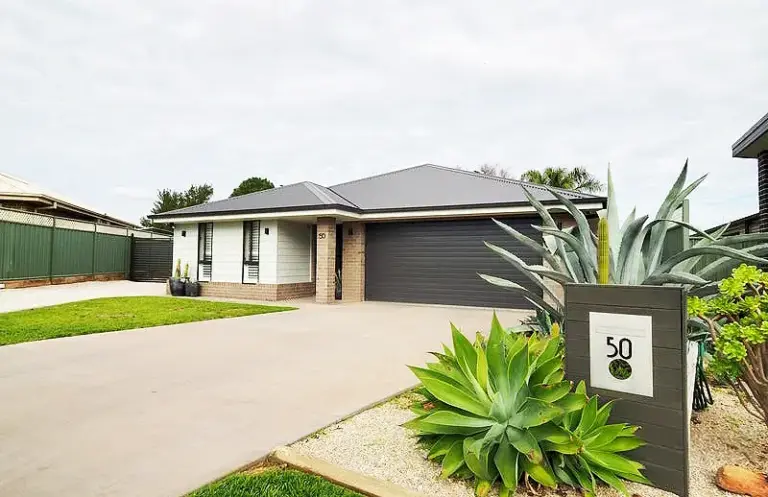





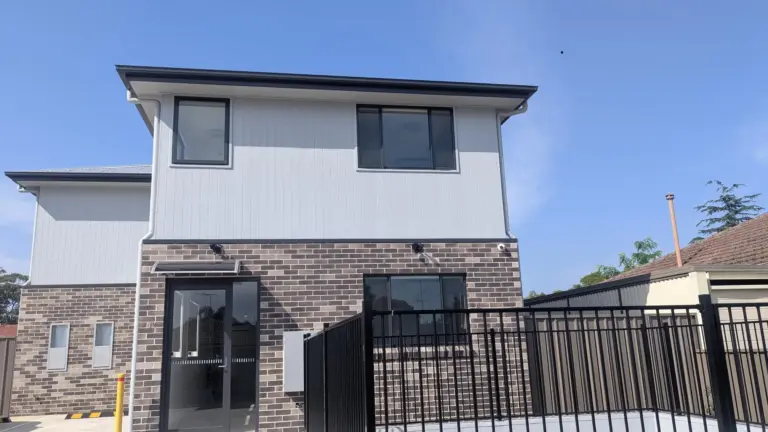

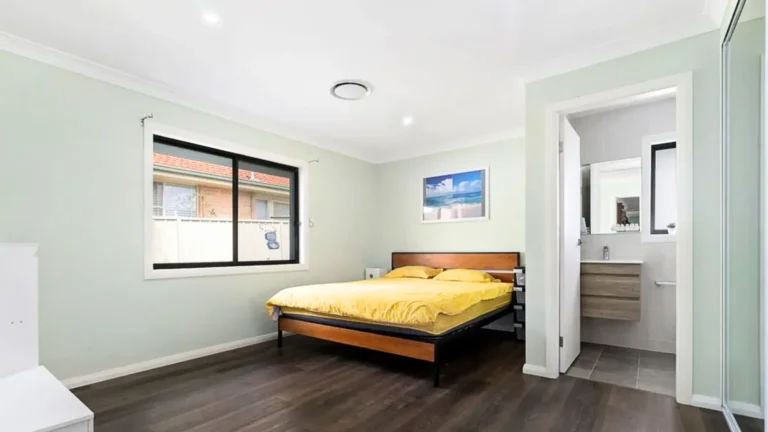
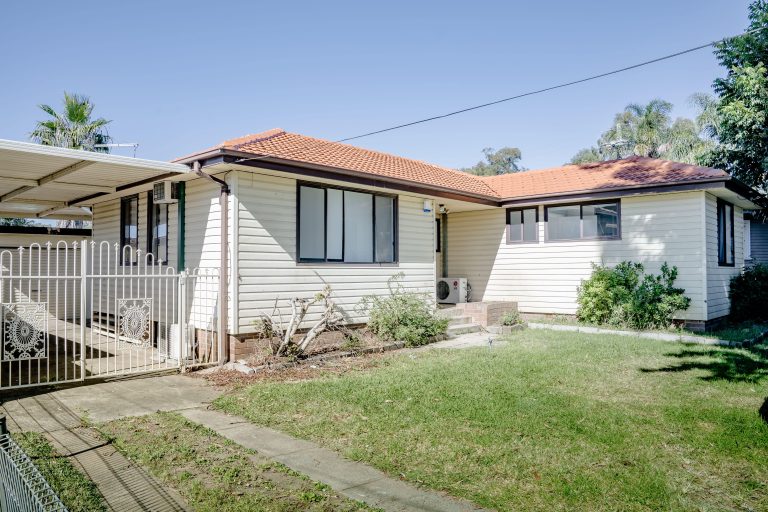

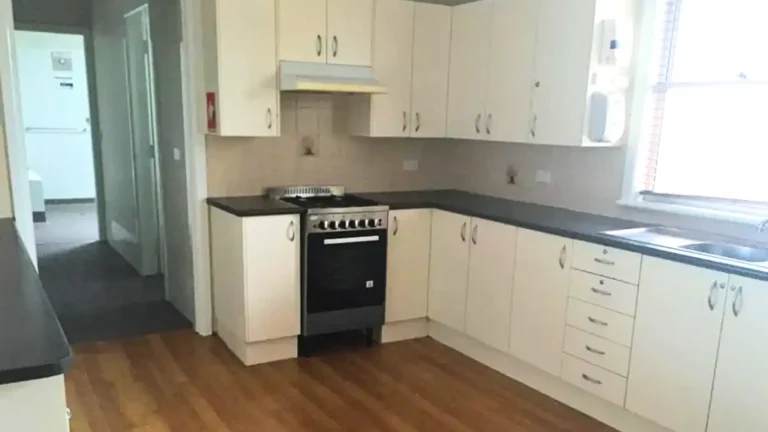
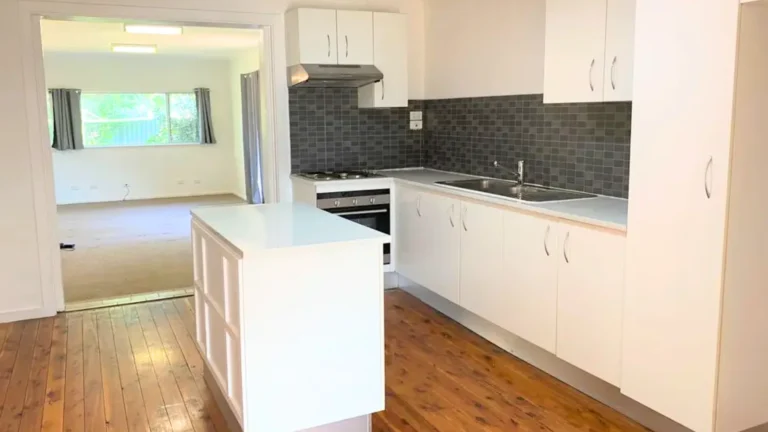

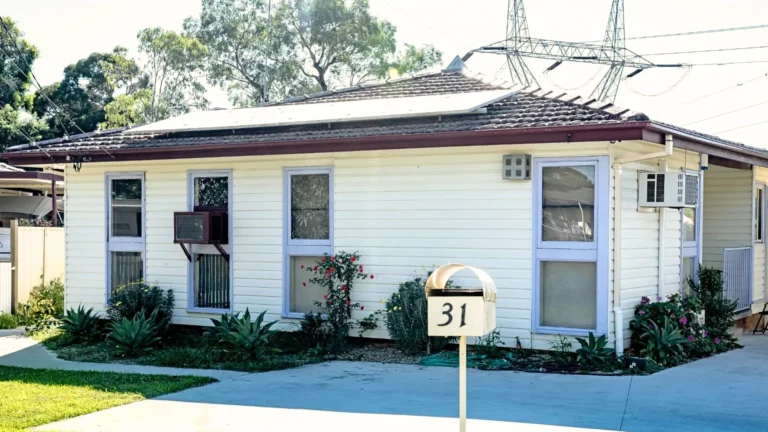
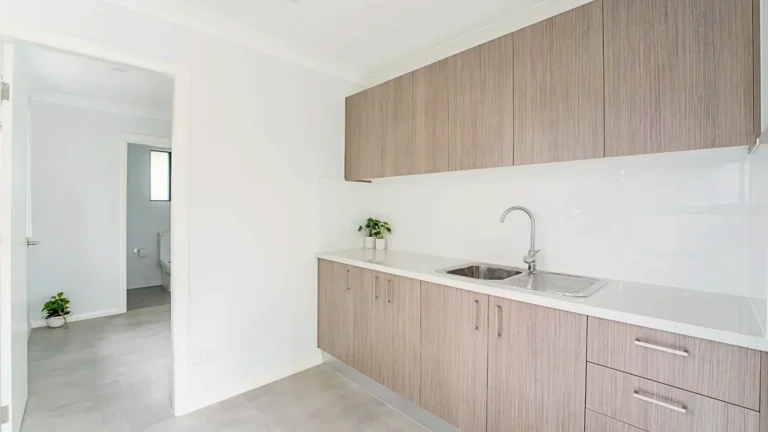
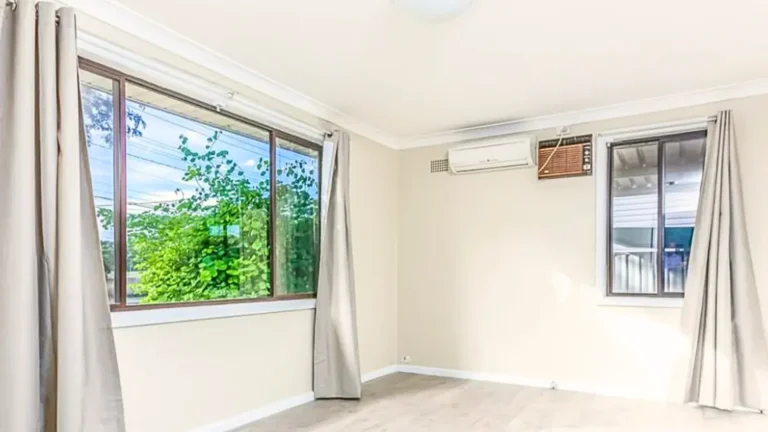


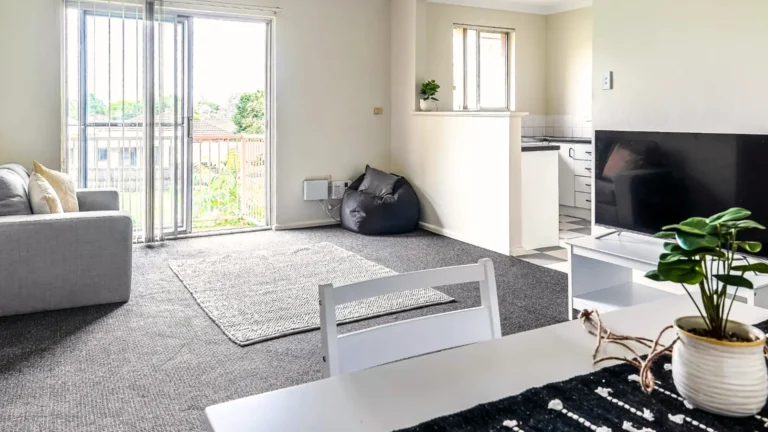
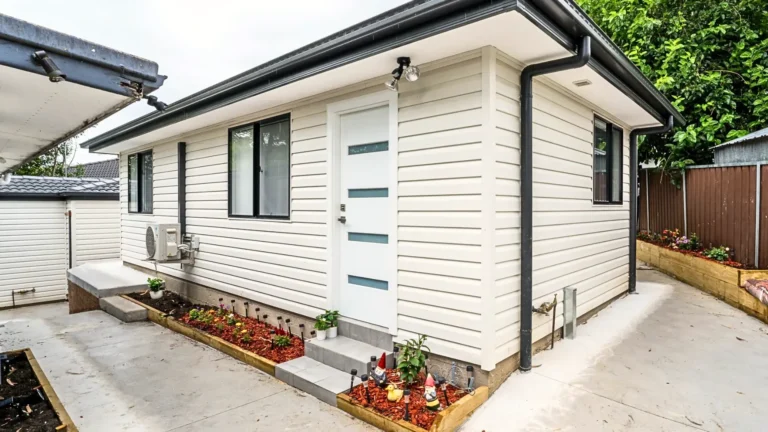
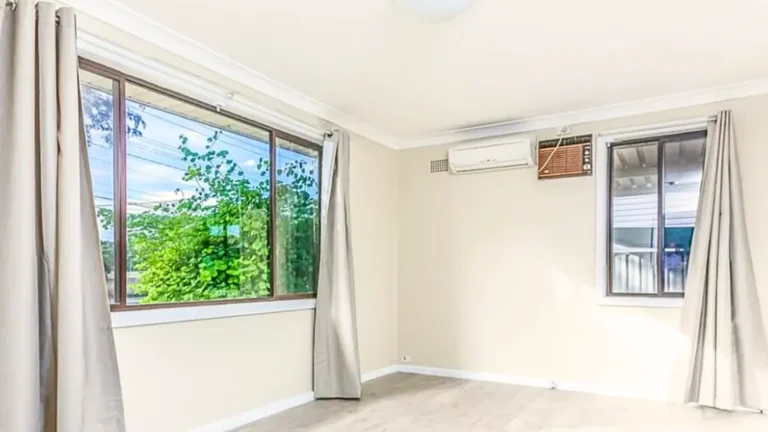
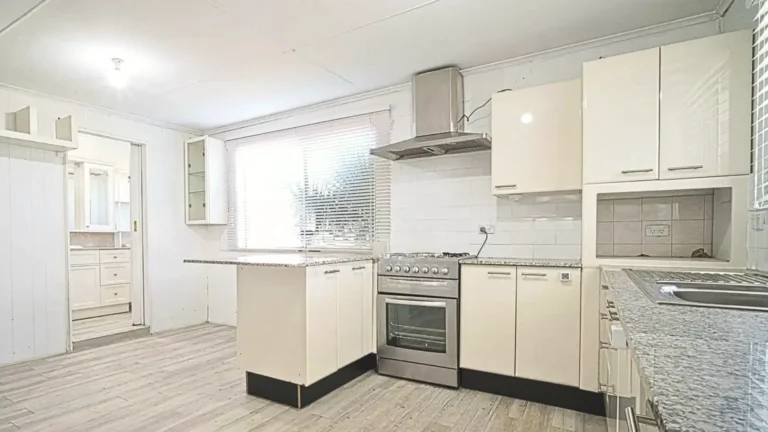

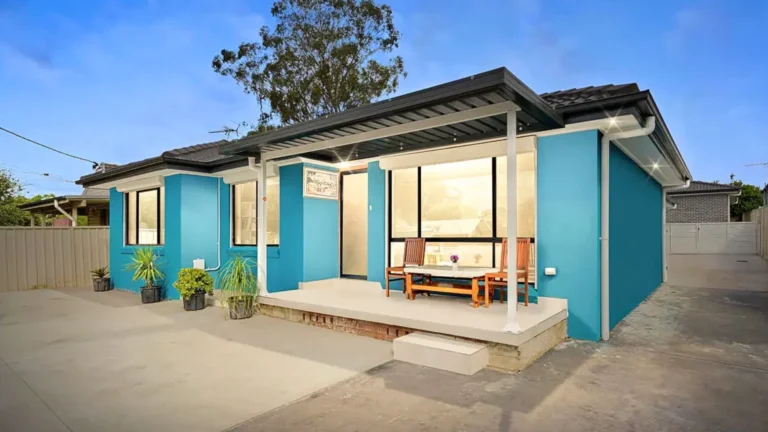
Find a place that truly feels like home. We provide Supported Independent Living (SIL) housing and personalised daily support for NDIS participants across Australia, so you can live more independently in a place that genuinely feels like home.
Happy participants supported
Delivering
NDIS Services
Languages to make you feel at home
Support and same day booking
Explore our current SIL homes today.
We support you with the personal care routines that matter most, from getting ready in the morning to winding down at night, delivered with dignity and consistency by a team that knows you.
Our support workers help you plan, shop for, and prepare meals that suit your tastes, dietary needs, and cultural preferences. You stay in control of what you eat and how you eat it.
We help keep your home clean, comfortable, and running smoothly. From laundry to groceries, we take care of the everyday tasks so you have more time and energy for the things you enjoy.
Getting out and staying connected matters. We support you to attend appointments, visit friends, join community activities, and access the places and people that are important to you.
Your independence is the goal. We work alongside you to build the everyday skills you want to develop, whether that's budgeting, cooking, using public transport, or managing your own schedule.
Life doesn't follow business hours. Our team is available around the clock so you, your family, and your coordinator always have a real person to reach when something comes up.
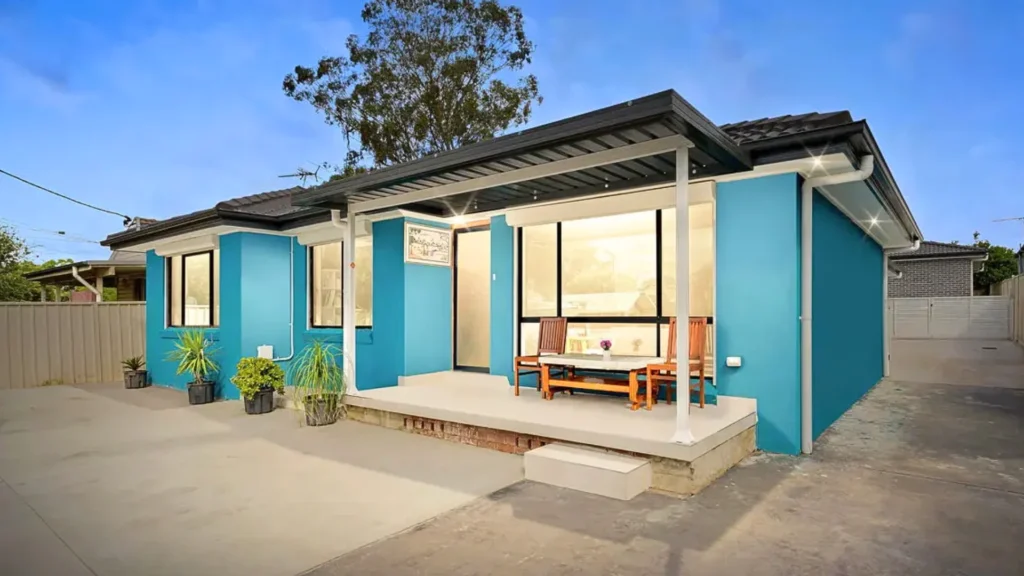
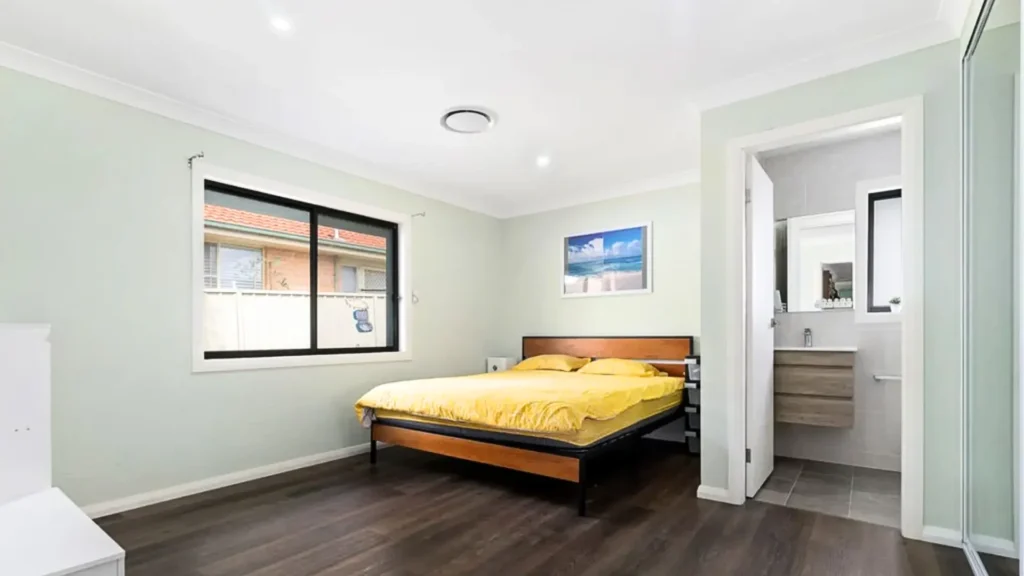
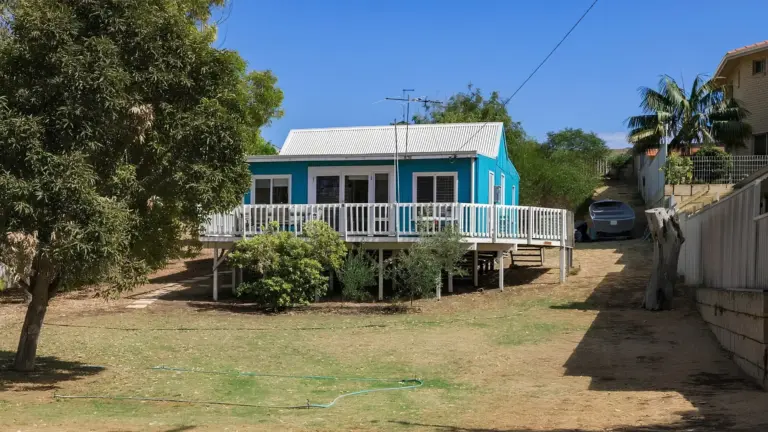
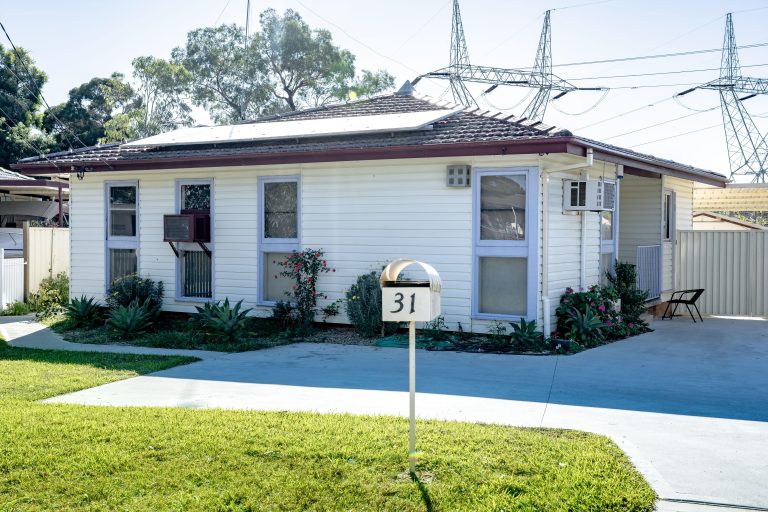
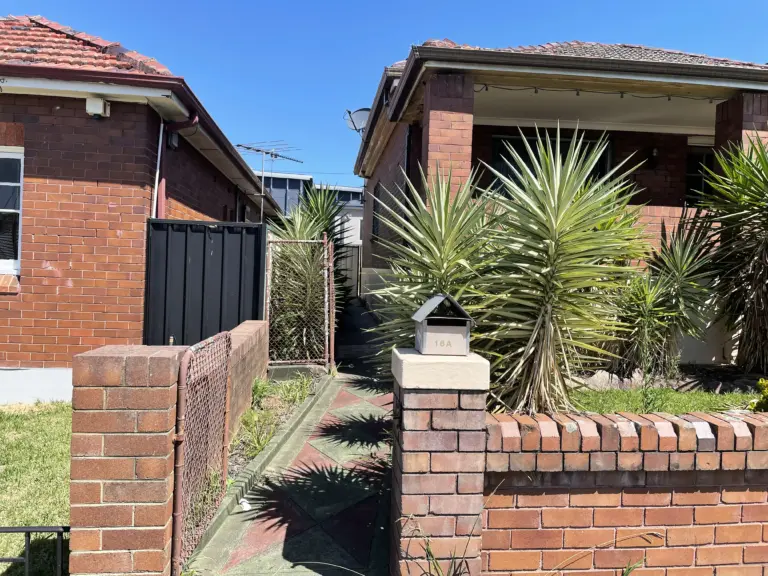
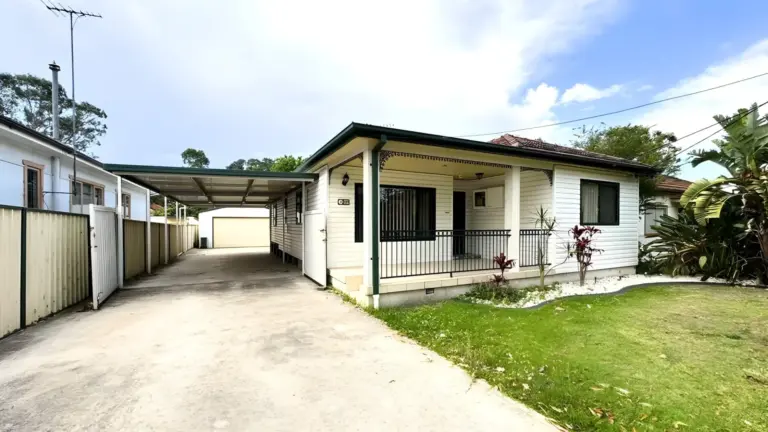
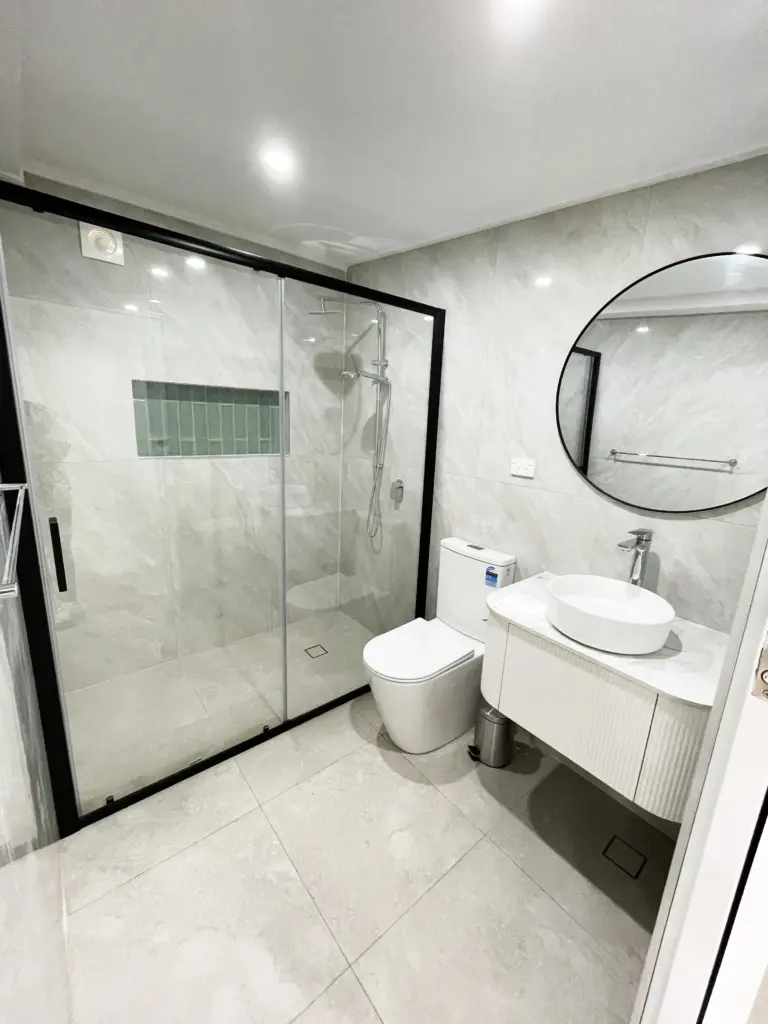
Our featured properties are available now. Start your journey and be in your new home within the week.

Morning routine
Sam starts every day with his support worker James, who’s been with him for three years. They know each other’s humour, Sam’s meds schedule, and that he likes his eggs a specific way. That’s not a service — that’s a relationship.

Community access
On Thursdays, the Penrith house joins Maple’s community program. These aren’t outings — they’re milestones.

Family contact
Maria’s family calls every Sunday. Her mum knows the team by name and gets a monthly update without having to chase anyone. That’s isn’t just a call, that is peace of mind.
1
Done within 2 hours
Submit an enquiry and one of our friendly SIL team will call to chat through how Maple can assist you with Accommodation needs.
2
Done within day 1 – 2
We are all about building strong relationships. We will work with you to gather information to make your transition to your new place as seamless as possible.
3
Done within day 3 – 4
The Maple Team will assist you in creating a budget for services required through SIL. Additionally, we will assist with the submission and approval Process.
4
Done by day 5
Once your budget has been approved by NDIS; you’re ready to move into your new dwelling, start receiving your services and achieving your goals.
| Why Maple is Different |
|
Other |
|---|---|---|
Care That Speaks Your Language80% CALD workforce, 50+ languages spoken, support worker matching |
✓ | ✕ |
500+ Support Workers and Registered Nurses Ready*Immediate support, no more waiting for weeks |
✓ | ✕ |
96% Support Worker Retention vs 78% Industry AverageSame support team, real and long-term relationships |
✓ | ✕ |
Dedicated Relationship ContactOne caseworker, direct mobile and email access |
✓ | ✕ |
Supported Independent Living Placement Within 24 Hours*A smooth, supported process to make you feel at home |
✓ | ✕ |
Referral Acknowledged Within 2 HoursImmediate confirmation, never waiting in the dark |
✓ | ✕ |
Expertise in Complex & High-Needs CareSpecialists in HIDPA, psychosocial and medical cases |
✓ | ✕ |
24/7 Real Person Support LineCall any time and speak to a real person |
✓ | ✕ |
Built-In Escalation PathwaysDirect access when urgent issues arise |
✓ | ✕ |
Reporting You Can Count OnNo chasing and no documentation gaps |
✓ | ✕ |
Stable Provider for Every Stage of Your NDIS Journey10+ years of stable NDIS delivery across Australia |
✓ | ✕ |
Download our free guide to explore housing options, understand support levels, and learn what to look for when choosing the right home.
Whether its a query about the services we provide, or just a general enquiry, we would love to hear from you!
Supported Independent Living (SIL) is a core support that funded by the National Disability Insurance Scheme (NDIS). NDIS participants who meet the relevant criteria, receive funding for day-to-day assistance in a supported living environment. NDIS SIL accommodation refers to shared or individual living arrangements where participants receive tailored, 24/7 support. This support includes personal care, daily tasks, skill development, household activities, therapy access, and community participation.
SIL services can be delivered in your own home or within a shared supported accommodation setting. This will depend on your goals, support needs, and what’s included in your NDIS plan. The aim of SIL is to promote autonomy, build life skills, and empower individuals to live as independently as possible.
At Maple Community Services, we provide safe, accessible, and welcoming NDIS SIL housing options across New South Wales, Victoria, Queensland, and Western Australia. Our disability accommodation meets a wide range of support needs, lifestyle preferences, and funding plans. Whether you’re looking for short wait times or long-term placements, we have SIL homes with no waitlists, tailored to your needs.
At Maple Community Services, we’re more than just an NDIS SIL provider—we’re your partner in creating a life that’s independent, fulfilling, and entirely your own. Our person-centred approach means we put your choices, goals, and lifestyle preferences first. Every step of the way.
We’re proud to turn around new referrals in less than one week, and place Supported Independent Living participants across Australia within 24 hours where a suitable vacancy exists. We understand that finding the right home is not just a priority but a necessity. Our streamlined intake and placement process, combined with a wide network of trusted providers, enables us to secure the right SIL accommodation quickly and efficiently.
The NDIS funds several types of home and living supports depending on your needs, including:
In Australia, Supported Independent Living is available to NDIS participants who require ongoing support to live more independently. SIL is typically suited to people with moderate to high support needs, including those with intellectual, physical, or psychosocial disabilities. While SIL and SDA are most commonly approved for individuals with higher levels of disability, those with milder disabilities may also be eligible, depending on their circumstances.
To access SIL funding, the NDIS must determine that the support is reasonable and necessary based on your individual goals, daily living challenges, and functional capacity. Eligibility is assessed as part of your NDIS plan, and typically includes participants who need regular assistance with personal care, household tasks, and community participation.
SIL (Supported Independent Living) funds the support. This includes the people who help with daily life, personal care, overnight assistance, and skill building.
SDA (Specialist Disability Accommodation) is the housing itself, designed for people with significant physical or functional needs. While SDA covers the physical living space, it operates separately from your day-to-day personal supports.
You can be funded for one or both, depending on your NDIS plan. Not everyone needs SDA, but if you do, Maple has SDA partnerships across Australia so we can coordinate both under one roof.
Not sure what your plan includes? We’ll review it with you and explain exactly what you’re funded for.
SIL (Supported Independent Living) funds the people who support you at home — your support workers, their training, and the day-to-day assistance they provide. That includes personal care, meal preparation, household tasks, overnight support, and skill building.
What SIL doesn’t cover: rent, groceries, utilities, or personal expenses like clothing. Those come out of your own pocket or other funding sources.
At Maple, we explain exactly what your SIL funding includes before you sign anything — no surprises in your service agreement. If something isn’t covered, we’ll tell you upfront and help you explore other options.
Yes, your preferences matter, and we take them seriously.
You can be involved in choosing housemates that are a good fit for your lifestyle, routines, and support needs. At Maple, we go beyond just matching on paper. We look at personality, communication style, cultural background, and daily rhythms to find a home where you’ll genuinely feel comfortable.
On location, we have homes across NSW, VIC, QLD, and WA, and we’ll always try to place you in the area that works for your life, close to family, community, or wherever matters most to you.
The process typically takes between four and twelve weeks from your initial conversation to moving in, depending on housing availability, housemate compatibility, and NDIS funding confirmation.
At Maple, we move faster than most. We acknowledge every referral within 2 hours and average 5 business days from referral to service commencement. We handle the documentation and funding checks — you won’t be chasing us.
The best thing you can do is start the conversation early, even if your funding isn’t finalised yet. The sooner we understand your needs, the faster we can match you to the right home.
SIL is not permanent — it’s reviewed when your NDIS plan is reviewed, typically every 12 months. If your needs change between reviews, you can request a plan review sooner.
This is actually a good thing. It means your support can grow with you. If you build skills and need less support over time, your plan adjusts. If your needs increase, we work with you to make the case for increased funding.
At Maple, we stay involved at every plan review — helping you document progress, gather evidence, and ensure your next plan reflects where you actually are, not just where you were.
The main goal of the application process for a Supported Independent Living program is to determine your needs for services. As such, you will need to be as involved as possible. After all, no one knows your needs better than you.
Many factors go into the evaluation of what is necessary and reasonable support in each specific case. The NDIS considers your or your loved one’s:
The NDIS relies on evidence and advice from Allied Health Professionals to determine if a participant is eligible for SIL or SDA (Specialist Disability Accommodation) funding. The areas that health professionals must address are the following:
SIL or supported independent living is a type of NDIS-funded support that helps participants with daily tasks so they can live as independently as possible in shared or individual living arrangements. Supports may include help with cooking, cleaning, personal care, medication, and more, typically delivered in a shared home with other participants.
On the other hand, complex care refers to support for people with high or complex needs, often involving medical conditions, behavioural challenges, or disability-related health supports like enteral feeding, tracheostomy care, epilepsy management, or behaviours of concern. These services are usually provided by support workers trained in High Intensity Daily Personal Activities (HIDPA), nurses, or multidisciplinary teams.
Some people may receive both SIL and Complex Care if they have high support needs in a supported living environment.
Not all providers are created equal and finding one that aligns with your needs and values truly makes all the difference. Here’s what to look for:
Some providers specialise in autism, psychosocial disability, complex medical care, or youth supports. Ask:
If you have Complex Care needs, reliable 24/7 coverage and fast response to emergencies is non-negotiable. Ask:
Continuity of care is crucial, especially when building trust or managing medical or behavioural complexities.
The best providers build with you, not for you. They should:
For SIL in particular, the home matters just as much as the supports.
Always check:
When meeting with a SIL or Complex Care provider, getting the important questions answered straight away can give you an idea of what to expect. And, ensures transparency from the beginning. We recommend asking:
Not every provider will be the right fit. Be cautious if:
You always have the right to change providers if your current arrangement isn’t working. You are entitled to and deserve the best care possible. Although speaking up can be daunting, you’ll be grateful for it in the long run.
Unfortunately, not all providers have immediate availability or the right supports in place to place a participant within the ideal timeframe. In some cases, you could be waiting days for the first response, in other cases you can start the process but the provider experiences delays finding a home. It’s best to go with a Provider that has the capacity to take on your participant at any time. We suggest:
Tip: Work with providers who specialise in urgent placements if time is critical.
Getting all your documents prepared is usually the biggest obstacle to a speedy placement. We understand these situations can be unpredictable and it’s not always realistic to have everything on hand. We suggest creating a folder with all the relevant SIL or SDA documentation, after reading this – so you are ready when the time comes:
Please make sure to double-check the dates on all reports and documents – reports older than 12 months may not be accepted.
Tip: Providers often process applications faster when all documents are submitted upfront.
Here are some tips to encouraging a smooth transition, emotionally:
SIL placement moves quickly when everyone is responsive. Here’s how to stay ahead:
At Maple, we take a proactive approach to emergency preparedness, ensuring that every home, staff member, and participant knows exactly what to do if an emergency arises. A professional, well-prepared SIL home should have an Emergency Preparedness and Response Plan tailored to the specific environment, risks, and needs of each participant.
Here’s what our includes:
Each home’s plan starts with understanding local risks. For example:
Every participant’s needs are different, so emergency plans must be individualised. This includes:
During an emergency, confusion can cause delays. A good plan assigns clear responsibilities:
At Maple, our staff complete regular emergency response training, including first aid, fire safety, and evacuation procedures, to ensure they can act confidently under pressure.
Practising emergency procedures helps reduce anxiety when a real event occurs.
Participants are walked through what to expect in different scenarios, using calm, supportive language and visual prompts.
Regular drills might include:
Every SIL home should have a fully stocked emergency kit that’s easy to access and regularly checked.
Essential items include:
When an emergency happens, staying connected is critical. Maple’s emergency plans include multiple communication method. We send mobile alerts and use WhatsApp group messaging, visual cue cards and emergency boards for participants with non-verbal communication needs.
If mobile networks go down, staff are trained to use alternate contact points or evacuation meeting locations pre-agreed upon with local emergency services.
Emergencies don’t end when the storm passes. After any event, Maple staff check in with participants to ensure emotional wellbeing, assess any property or equipment damage, and support continuity of daily routines.
If trauma or anxiety occurs, we connect participants with psychosocial or behavioural support specialists to rebuild confidence and return to normal activities safely.
If extended 1:1 or 2:1 support is required daily, Core funding may deplete quickly. A structured SIL model can sometimes provide a more sustainable allocation of funded supports. If you’re unsure whether funding is aligned, our NDIS Support Calculator can help sense-check feasibility.
Escalating behaviours of concern or increased safeguarding risks may indicate the need for a more structured support environment. At Maple, our Complex Support services are delivered within defined behaviour management frameworks to ensure consistency and safety.
Frequent staff changes, cancelled shifts or provider withdrawals often signal that the current support arrangement is not sustainable. Our intake process assesses staffing depth, compatibility and environmental suitability before confirming any commencement.
High levels of in-home support do not always translate to improved community participation. For some participants, a shared SIL environment can offer structured routines and social engagement opportunities.
SIL is a life-changing NDIS support, but choosing the right service model starts with understanding your options.
Choosing the right SIL provider can shape everything. From how safe and supported you feel each day, to how confidently you build your independence.