

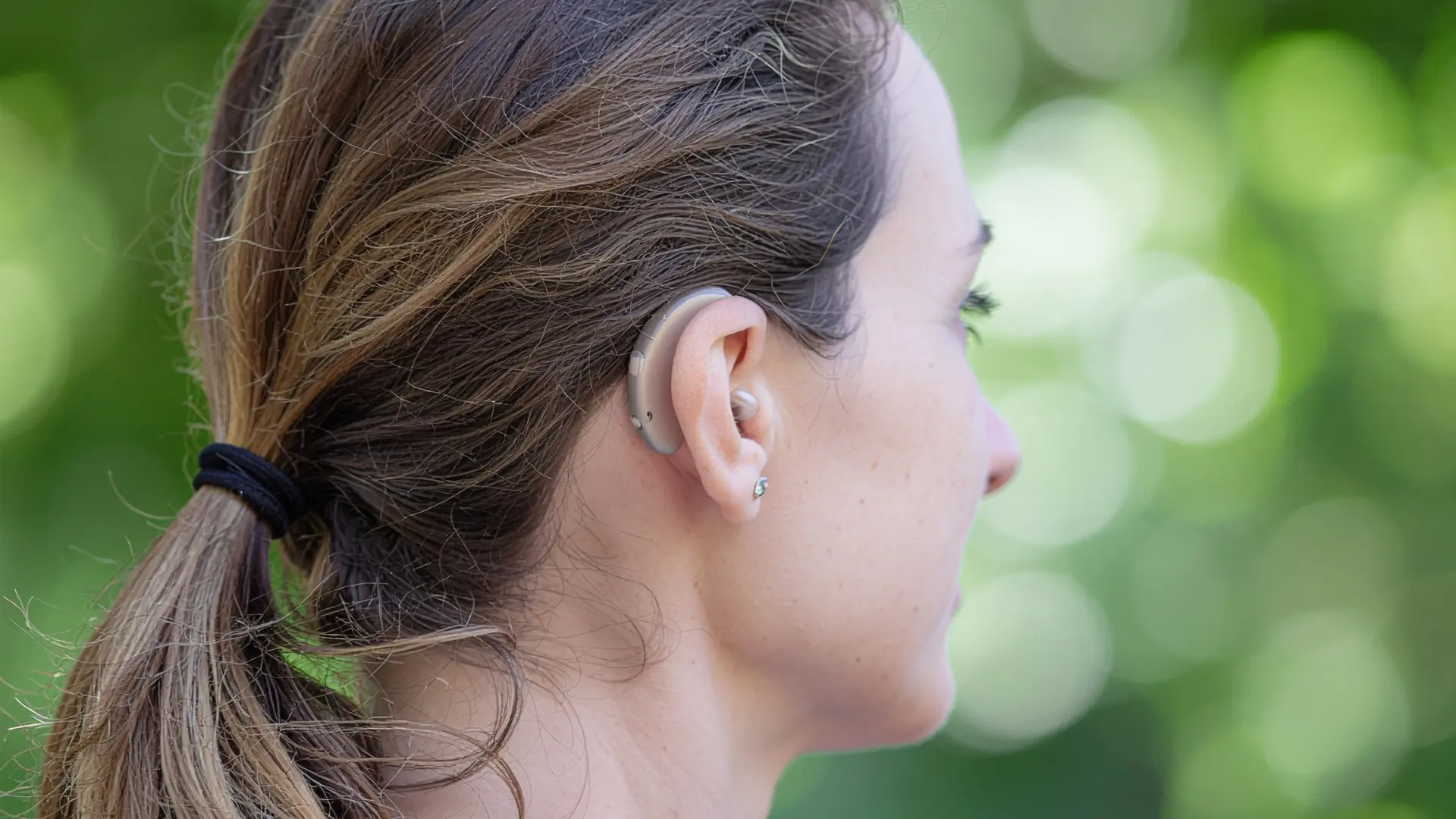
Hearing and Auditory Sensory Impairment
Hearing and auditory sensory impairments affect how sound is heard, processed, or understood. For many people, these challenges are not immediately visible but can significantly impact communication, confidence, and participation in everyday life.
At Maple Community Services, we support individuals living with hearing-related sensory disabilities through practical, NDIS-aligned support designed around real-world needs.
Hearing Difficulty and Hearing Deafness
Hearing difficulty can range from mild challenges in understanding speech to more pronounced hearing deafness that affects daily communication. Some people can hear sounds but struggle to follow conversations, particularly in noisy or unfamiliar environments.
These challenges are common and often misunderstood, especially when hearing loss is not obvious to others.
Sensorineural Deafness and Sensorineural Loss
Sensorineural deafness, also referred to as sensorineural loss, occurs when the inner ear or auditory nerve is damaged. This type of hearing impairment is usually permanent and may develop gradually due to ageing, illness, loud noise exposure, or genetic factors.
People with sensorineural loss often experience:
- Difficulty understanding speech rather than hearing volume
- Increased effort and fatigue during conversations
- Challenges in group or social settings
Conductive Hearing Loss
Conductive hearing loss occurs when sound cannot travel efficiently through the outer or middle ear. This may be caused by ear infections, fluid build-up, blockages, or structural issues.
Some forms of conductive hearing loss are temporary or treatable, but they can still disrupt communication and daily routines while present.
Auditory Disorder and Auditory Impairment
An auditory disorder affects how the brain processes sound rather than how sound is heard. Individuals with auditory impairment or ear impairment may have difficulty:
- Filtering background noise
- Processing spoken information quickly
- Following verbal instructions
These challenges can affect learning, work, and social participation, particularly in busy or sound-heavy environments.
Living With Hearing and Auditory Impairment
Hearing-related sensory impairments can influence confidence, mental wellbeing, relationships, and independence. With the right supports in place, individuals can develop strategies that make communication and participation more manageable.
Support for Hearing and Auditory Impairment at Maple
Maple Community Services provides person-centred support for individuals living with hearing and auditory sensory impairments. Our supports are flexible and aligned with NDIS goals.
We assist with:
- Daily living and routine support
- Community access and participation
- Communication strategies and structure
- Coordination with allied health providers
Learn more about our services on our Disability Support Services page.
Unsure About NDIS Eligibility?
Hearing and auditory impairments may be supported under the NDIS, depending on individual needs.
You can learn more by visiting Who Is Eligible for the NDIS?.
Speak With Our Team
If you or someone you support is living with sensorineural deafness, hearing difficulty, auditory disorder, or another form of auditory impairment, our team is here to help.
👉 Contact Maple Community Services to start a conversation.