

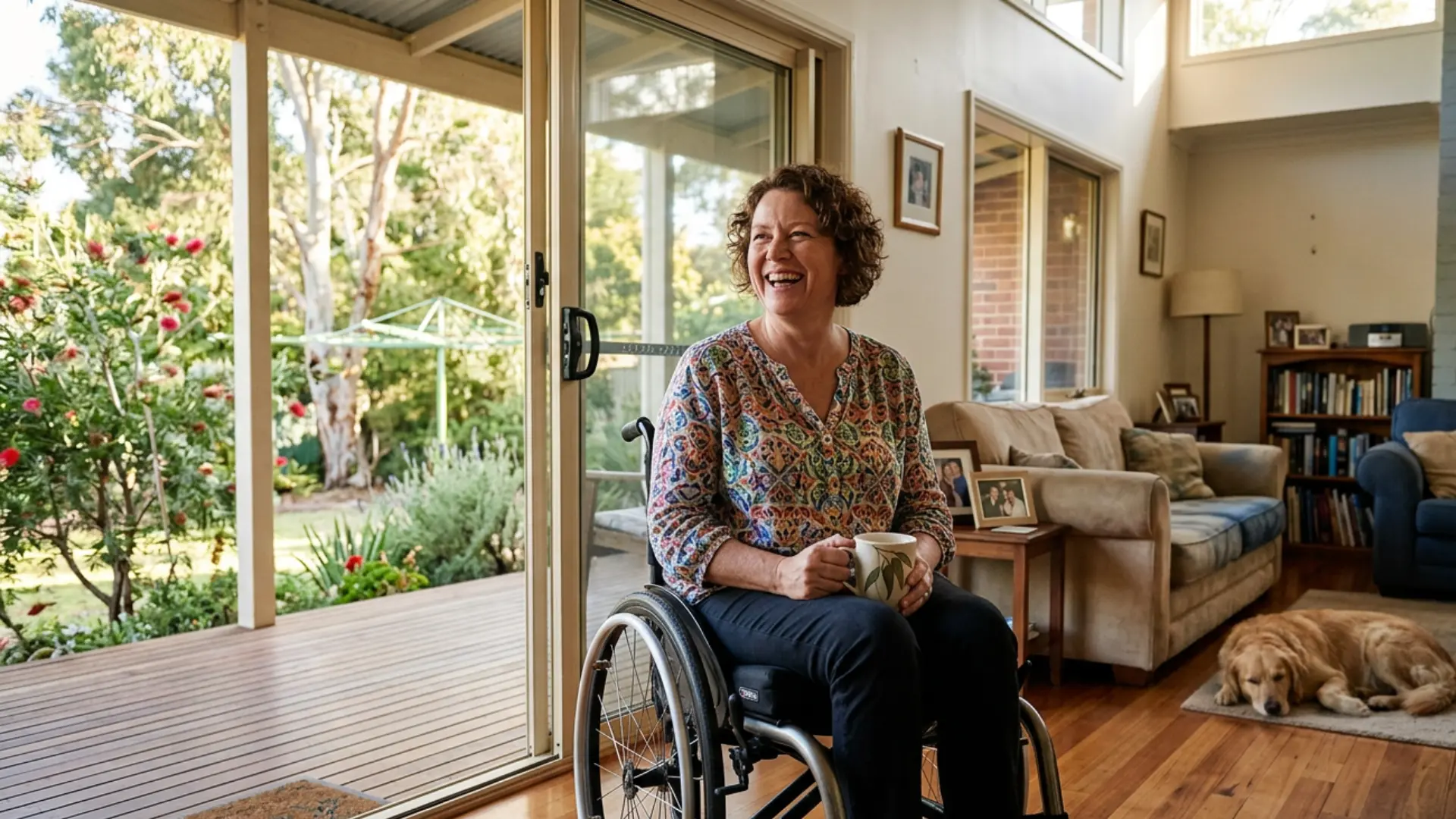
When to Transition from Core Supports to SIL
For many participants, NDIS Core Supports provide the flexibility needed to live independently in the community. However, as support needs evolve, there may come a point where a more structured environment becomes necessary.
For Support Coordinators, identifying when to transition from Core Supports to Supported Independent Living early can prevent crisis placements, funding shortfalls and repeated service disruptions.
This guide outlines key indicators that community-based supports may no longer be sustainable and how to plan proactively.
Core Supports vs Supported Independent Living
Core Supports typically fund assistance with daily activities, personal care and community participation within a participant’s chosen residence.
SIL funding supports daily assistance within a structured shared or individualised housing environment. SIL is designed for participants who require consistent supervision, overnight supports or higher staffing ratios.
The transition is not about reducing independence. It is about aligning the support model with long-term stability.
If you’d like to review Maple’s current SIL capacity, you can view our SIL vacancies here.
Indicators It May Be Time to Consider SIL
1. Core Budgets Are Being Rapidly Consumed
If extended 1:1 or 2:1 support is required daily, Core funding may deplete quickly. A structured SIL model can sometimes provide a more sustainable allocation of funded supports.
If you’re unsure whether funding is aligned, our NDIS Support Calculator can help sense-check feasibility.
2. Increasing Behavioural or Safety Risks
Escalating behaviours of concern or increased safeguarding risks may indicate the need for a more structured support environment.
At Maple, our Complex Support services are delivered within defined behaviour management frameworks to ensure consistency and safety.
3. Repeated Service Instability
Frequent staff changes, cancelled shifts or provider withdrawals often signal that the current support arrangement is not sustainable.
Our intake process assesses staffing depth, compatibility and environmental suitability before confirming any commencement.
4. Social Isolation Despite High Support Hours
High levels of in-home support do not always translate to improved community participation. For some participants, a shared SIL environment can offer structured routines and social engagement opportunities.
Why Early Planning Matters
Waiting until crisis often limits choice.
Proactive transitions allow time for:
• Compatibility assessments
• Funding review discussions
• Allied health collaboration
• Gradual onboarding planning
At Maple Community Services, we partner closely with Support Coordinators to ensure suitability is confirmed before any recommendation is made. Our focus is sustainability, not urgency.
A Collaborative Approach
Transitioning from Core Supports to SIL should involve open dialogue between Support Coordinators, Behaviour Support Practitioners, families and providers.
If you’re reviewing a participant whose needs are increasing, our team is available to confidentially discuss alignment, capacity and realistic timelines.
You can contact Maple Community Services to explore suitability.