

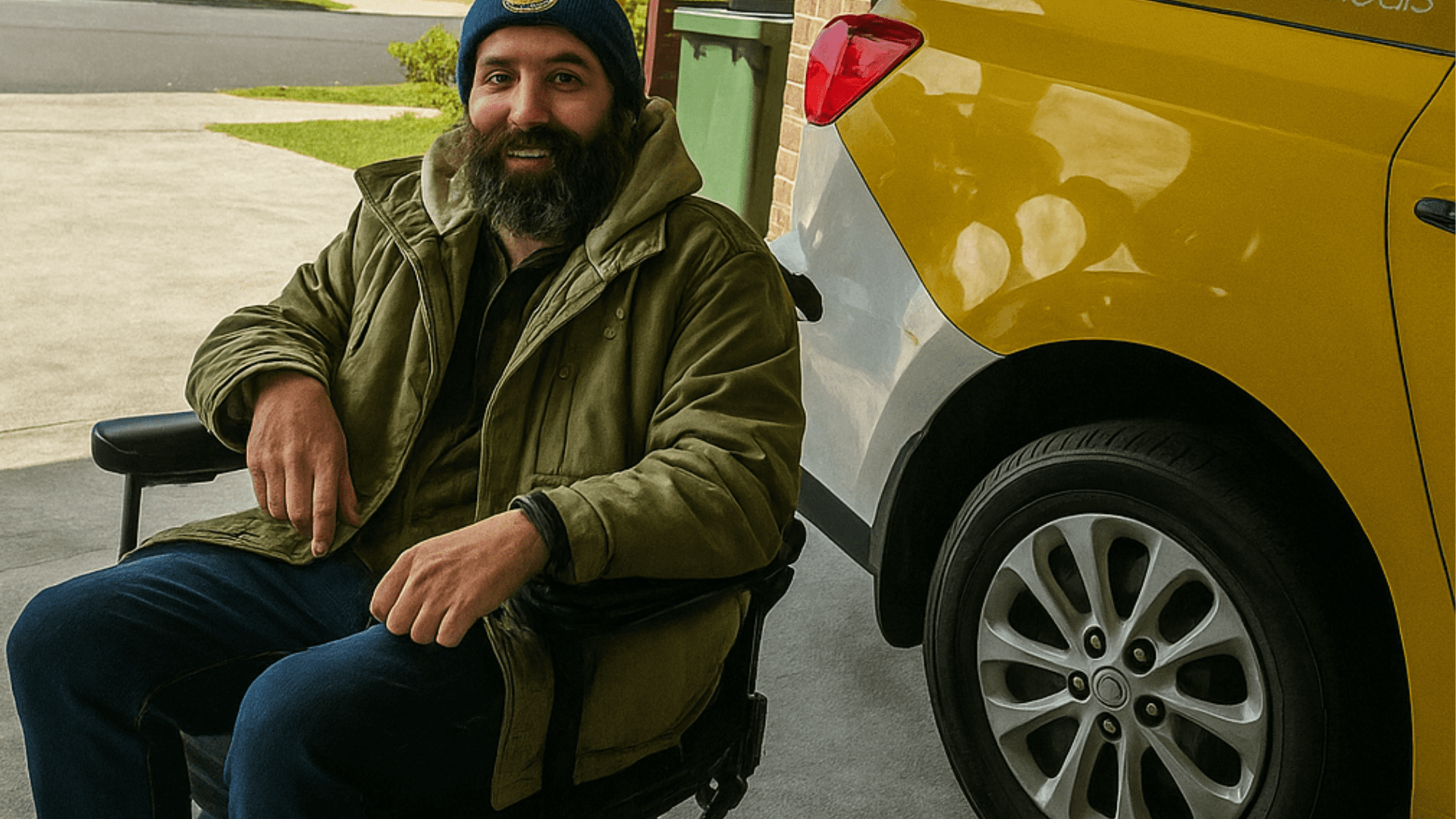
Supporting Adults with Complex Physical Disabilities
Supporting adults with complex physical disabilities is both a challenging and rewarding experience. Whether you are a caregiver, support coordinator, healthcare professional, or family member, the goal is to provide the necessary assistance to empower individuals to live as independently as possible, while also improving their overall quality of life.
Adults with complex physical disabilities often face a range of challenges that affect their ability to perform everyday activities, engage with their communities, and maintain independence. However, with the right support, these individuals can achieve their goals, build confidence, and live fulfilling lives.
Understanding Complex Physical Disabilities
Complex physical disabilities refer to a range of conditions that significantly impact an individual’s ability to move, communicate, or perform daily activities. These disabilities are typically caused by neurological, muscular, or skeletal conditions and can result in severe physical limitations.
Some examples of complex physical disabilities include:
- Spinal cord injuries
- Cerebral palsy
- Muscular dystrophy
- Multiple sclerosis (MS)
- Brain injuries
- Amputations
- Parkinson’s disease
- Chronic conditions such as arthritis or fibromyalgia
Each individual’s experience with a complex physical disability is unique, and their needs can vary depending on the severity of their condition, age, and personal goals. Because these disabilities often require intensive and long-term care, understanding the individual’s specific needs and tailoring support plans is critical to their well-being.
Strategies for Supporting Adults with Complex Physical Disabilities
To effectively support adults with complex physical disabilities, it’s important to create a personalised care plan that takes into account the individual’s needs, preferences, and goals. Here are some key strategies for providing effective support:
-
Tailor Support to Individual Needs
Every person with a complex physical disability has unique needs and preferences. Take the time to understand the individual’s condition, strengths, and challenges. Work with the person, their family, and healthcare professionals to develop a support plan that is flexible, adaptable, and personalised.
-
Promote Independence
While providing assistance is essential, it’s equally important to promote the individual’s independence where possible. This can include using assistive technology, such as mobility aids, speech-generating devices, or smart home technology, to help the person perform tasks on their own. Encouraging independence not only improves quality of life but also boosts confidence and self-esteem.
-
Focus on Empowerment
Empower individuals by involving them in decisions about their care, goals, and activities. This fosters a sense of control and dignity, which is especially important for adults with disabilities. Encourage participation in hobbies, social events, and community activities, and support them in achieving personal aspirations.
-
Provide Accessible Environments
Creating an accessible environment is key to helping individuals with complex physical disabilities navigate their homes and communities. This may include making modifications to the home, such as wheelchair ramps, grab bars, and accessible showers. It may also involve ensuring that community spaces are physically accessible and inclusive. There are some amazing accessible venues and locations across Australia. Like beaches with wheelchair access, and stadiums with ramps. Do your research and you might find some amazing activities and accessible adventures to go on!
-
Coordinate Multidisciplinary Support
Creating an accessible environment is key to helping individuals with complex physical disabilities navigate their homes and communities. This may include making modifications to the home, such as wheelchair ramps, grab bars, and accessible showers. It may also involve ensuring that community spaces are physically accessible and inclusive. There are some amazing accessible venues and locations across Australia. Like beaches with wheelchair access, and stadiums with ramps. Do your research and you might find some amazing activities and accessible adventures to go on!
Personalised Physical Support With Maple
Supporting adults with complex physical disabilities is a multifaceted and ongoing process that requires compassion, understanding, and practical strategies. By developing a personalised care plan, promoting independence, and fostering community engagement, individuals with complex physical disabilities can lead fulfilling lives with the support they need.
At Maple Community Services, we’re dedicated to empowering adults with complex physical disabilities by providing comprehensive care and ensuring they have access to the resources and support required to live independently. Don’t let complex physical disabilities stand in the way of a fulfilling life. Contact us today and learn how our tailored support services can make a difference.
Whether you’re looking for assistance with daily activities, medical care, or social engagement, we are here to help you create a better future.
Together, we can make a meaningful impact on your quality of life.
