

- Home
- About Us
- Referrals
- Disability Support Services
- Albinism Support
- Arthritis Support
- Anxiety Support
- Autism
- Bipolar Support
- Brain Injury Support
- Cerebral Palsy Support
- Depression Support
- Down Syndrome Support
- Physical Impairment Support
- Genetic Condition Support
- Multiple Sclerosis
- NDIS Huntingtons Support
- NDIS Mental Illness Support
- Neurological Disability Support
- Motor Neurone Disease Support
- Muscular Dystrophy Support
- NDIS Palliative Support
- NDIS Parkinson’s Disease Support
- PTSD Support
- Rheumatoid Arthritis Support
- NDIS Stroke Support
- Core Supports
- Supported Independent Living
- Find Your Support Worker
- NDIS Services
- Locations
- Careers
- News
- Contact Us
- Disability Support
- Anxiety Support
- Autism Support
- Brain Injury Rehabilitation
- Bipolar Support
- Cerebral Palsy Support
- Depression Support
- Down Syndrome Support
- Genetic Condition Support
- NDIS Huntingtons Support
- NDIS Mental Illness Support
- Motor Neurone Disease Support
- Muscular Dystrophy Support
- NDIS Parkinson’s Disease Support
- Physical Impairment Support
- PTSD Support
- Rheumatoid Arthritis Support
- NDIS Stroke Support
- NDIS Visual Impairment
- Psychosocial Disability Support
- Intellectual Disability Support
- Neurological Disability Support
- ADHD Support
- Core Supports
- Supported Independent Living
- NDIS Services
- Locations
- Why Maple
- Home
- About Us
- Referrals
- Disability Support Services
- Albinism Support
- Arthritis Support
- Anxiety Support
- Autism
- Bipolar Support
- Brain Injury Support
- Cerebral Palsy Support
- Depression Support
- Down Syndrome Support
- Physical Impairment Support
- Genetic Condition Support
- Multiple Sclerosis
- NDIS Huntingtons Support
- NDIS Mental Illness Support
- Neurological Disability Support
- Motor Neurone Disease Support
- Muscular Dystrophy Support
- NDIS Palliative Support
- NDIS Parkinson’s Disease Support
- PTSD Support
- Rheumatoid Arthritis Support
- NDIS Stroke Support
- Core Supports
- Supported Independent Living
- Find Your Support Worker
- NDIS Services
- Locations
- Careers
- News
- Contact Us
NDIS Complex Care Support for High Intensity Needs
Specialist Complex Care services for participants with high-level physical, medical, and behavioural needs.
When other providers say no, Maple says yes.
We specialise in complex and high-intensity NDIS support (HIDPA) for participants with serious medical, behavioural, and psychosocial needs. With clinical oversight, 24/7 availability, and over a decade of experience, we’re the partner families and coordinators trust most.
Trusted NDIS Registered Specialists
8,000+
Happy Participants Supported
10+ Years
Delivering
NDIS Services
50+
Languages to Make You Feel at Home
24/7
Support and Same Day Booking
The Difference Complex Care Makes — A Mother's Story
Everyone's NDIS Journey looks different.
Find yours.
Choose the right partner, not a provider.
1
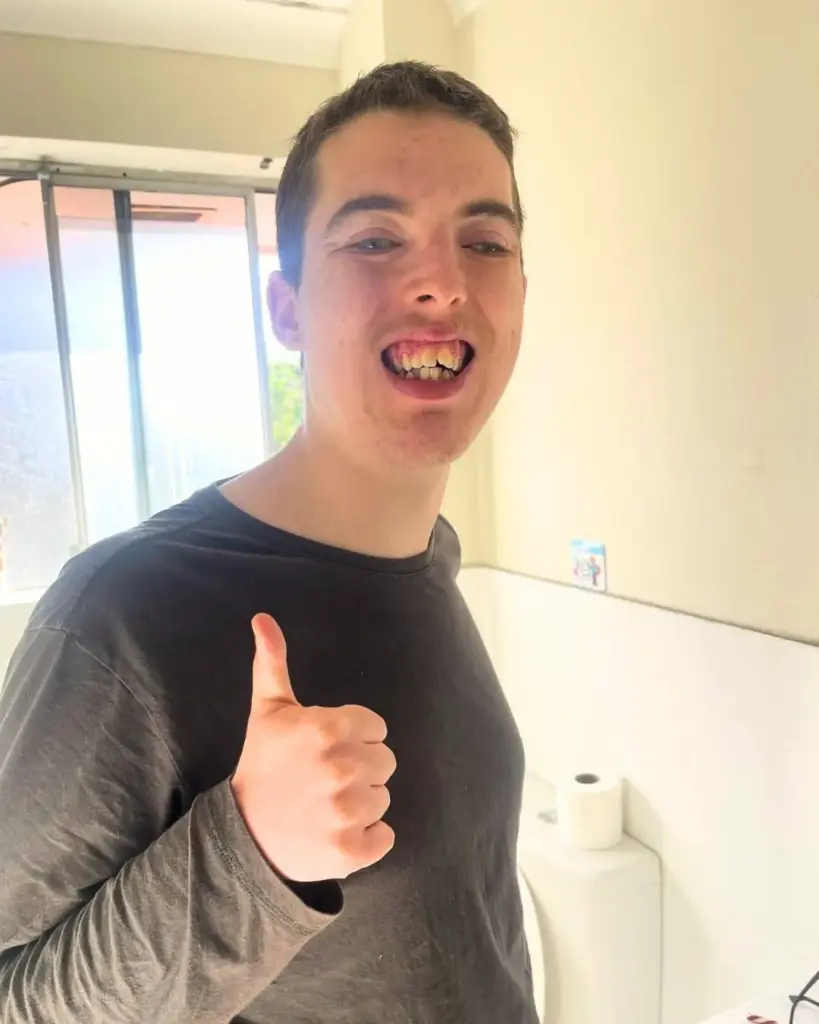
I am an NDIS Participant
I want independence, choice, and a team that knows my name

2
I am a Family / Carer
I need a trusted partner to share the load and provide peace of mind
3
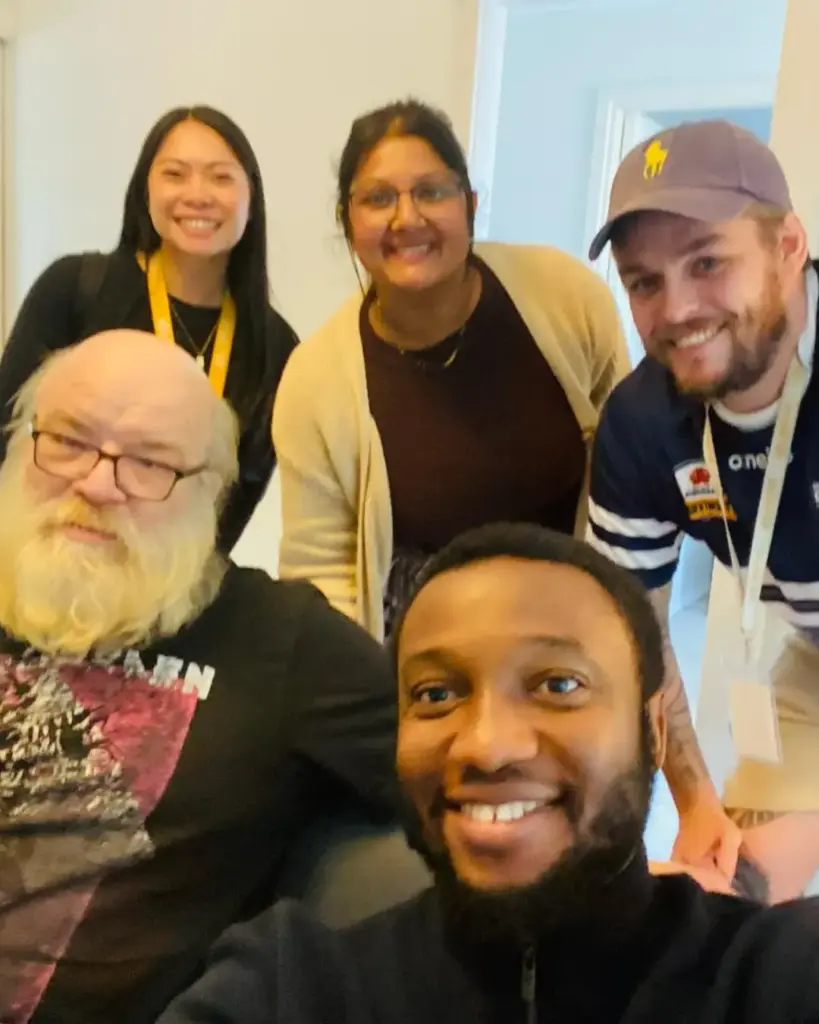
I am Support Coordinator
I need a responsive partner for everyday support and complex, high-need referrals
Complexity is our speciality
Maple is built for the cases others can’t take and we support the participants others turn away.
Each of Maple’s NDIS complex care services goes beyond basic support. They become lifelines that open up new worlds of possibility. At Maple, our unwavering belief that everyone deserves to live with dignity and independence is reflected in the way we deliver our complex care services with respect towards every unique participant we work with.
Real stories from
real families
We had been turned away by two NDIS providers before finding Maple. We were pleasantly surprised at how enthusiastic and reassuring they were from the start. We are fortunate that they have experience in delivering complex care services at home and we couldn’t be happier.
GregParent
Our family always found Maple to be consistent, whether that is the support workers who help our daughter or the ongoing communication we receive. It provides a great relief to the whole family .
MaryParent
I have worked with loads of providers and Maple is one of the few that I trust most, especially with complex care cases.
AlexSupport Coordinator Disabilities We Support
Our team has experience working across:
And many more conditions supported under the NDIS.
The high care disability services we provide
Specialised Nursing Care
Therapeutic Support
Respiratory Care
Behavioural Support
Palliative Care
Mobility Support
What does everyday look like with a Maple Complex Care team?
Personal Care
At Maple, Support Workers assist with daily routines like personal hygiene, meals, and appointments. We help you or your loved one live more independently, at home or in shared living.
Household Tasks
Our goal is to make daily living easier and more manageable. We support everyday tasks like cleaning, meal preparation, shopping, and more.
Travel and Transport
Get where you need to go with confidence and ease. We provide safe and reliable transport to appointments, school, and community activities.
Garden Maintenance
Enjoy a well-maintained home without the stress of upkeep. We take care of gardening tasks to keep your outdoor space clean and tidy.
Community Participation
Build confidence, connections, and independence in everyday life. We support you to get involved in social, recreational, and community activities.
Development – Life Skills
We help build essential life skills to support independence and confidence. This includes personal care, organisation, and daily living routines.
How to Get Started with Maple
Step 1
Reach out
Send us a message or give us a call. We are here to listen.
Step 3
We Find the Right Fit
Our team matches you with the right support and people who suit you best.
Step 2
Tell Us About You
We will have a relaxed chat to understand your needs, goals, and what matters most to you.
Step 4
Start Your Journey
We set everything up so you can begin with confidence, knowing you are supported every step of the way.
How Maple Community Compares
| Why Maple is Different |

|
Other |
|---|---|---|
Care That Speaks Your Language80% CALD workforce, 50+ languages spoken, support worker matching |
✓ | ✕ |
500+ Support Workers and Registered Nurses Ready*Immediate support, no more waiting for weeks |
✓ | ✕ |
96% Support Worker Retention vs 78% Industry AverageSame support team, real and long-term relationships |
✓ | ✕ |
Dedicated Relationship ContactOne caseworker, direct mobile and email access |
✓ | ✕ |
Supported Independent Living Placement Within 24 Hours*A smooth, supported process to make you feel at home |
✓ | ✕ |
Referral Acknowledged Within 2 HoursImmediate confirmation, never waiting in the dark |
✓ | ✕ |
Expertise in Complex & High-Needs CareSpecialists in HIDPA, psychosocial and medical cases |
✓ | ✕ |
24/7 Real Person Support LineCall any time and speak to a real person |
✓ | ✕ |
Built-In Escalation PathwaysDirect access when urgent issues arise |
✓ | ✕ |
Reporting You Can Count OnNo chasing and no documentation gaps |
✓ | ✕ |
Stable Provider for Every Stage of Your NDIS Journey10+ years of stable NDIS delivery across Australia |
✓ | ✕ |
10,000+ goals achieved -
hear from our community.
How We Can Help You
Core Supports
Practical, day-to-day support tailored to routines, sensory needs, and communication styles, helping individuals with autism build independence and confidence.
Support Coordination
Guidance to help navigate an NDIS plan, connect with autism-friendly providers, and ensure supports align with individual needs, goals, and preferences.
Plan Management
Stress-free management of funding and payments, giving families and individuals more time to focus on stability, routines, and meaningful progress.
Disability Accommodation
Structured, supportive living environments designed around routine, comfort, and predictability, helping individuals with autism live safely and as independently as possible.
We service all suburbs across Sydney and other key cities across Australia
- Sydney
- Newcastle
- Wollongong
- Campbelltown
- Lane Cove
- Liverpool
- Penrith
- Bankstown
- Blacktown
- Hornsby
- Orange
- Parramatta
- Melbourne
- Brisbane
- Perth
- Darwin
Enquire Today
Whether its a query about the services we provide, or just a general enquiry, we would love to hear from you!
Your Questions, Answered
Is Complex Care Funded by the NDIS?
Yes, Complex Care is funded under the NDIS when it meets the test of being “reasonable and necessary” to help you live safely, independently, and achieve your goals.
- Core Supports: daily personal care, overnight supervision, bowel care, mobility support
- Capacity Building: therapy, psychology, behavioural support plans, training for informal supports
- Capital Supports: assistive tech, home mods, hoists, accessible bathrooms, SDA
What is complex care under the NDIS?
Complex care (also called High Intensity Daily Personal Activities, or HIDPA) is specialised support for people whose disability or health condition requires more than standard assistance. It covers clinical nursing tasks like catheter care, wound care, injections, and medication management. It also covers behaviour management, mental health, coordinated daily living, and respiratory support, which includes ventilator support and tracheostomy care. These are delivered by a team of trained support workers, registered nurses, and allied health professionals working together around the participant’s needs.
Who is complex care for?
- NDIS participants with high-intensity support needs
- People with complex behaviours who need consistent, trained teams
- Anyone needing 24/7 care or active overnight assistance
What does an NDIS complex care team actually look like day to day?
At Maple, your complex care team is built around you, not a generic roster. It typically includes a dedicated support worker, a registered nurse providing clinical oversight, and allied health professionals as needed. You’ll see the same faces regularly — our 96% staff retention rate means real continuity, not strangers at your door every week.
What complex care support are available under the NDIS?
The main types of complex care services available under the NDIS include:
- Specialist Disability Accommodation (SDA) provides specialised housing that is designed to accommodate severe functional impairments or very high support needs of participants.
- Supported Independent Living (SIL) where participants receive round-the-clock support to manage their daily tasks.
- High Intensity Daily Personal Activities (HIDPA) to help break down barriers by managing mobility issues, personal care, or health challenges.
- Behaviour support plans to understand and address individual needs, offering effective strategies for managing behaviours.
- Therapeutic support such as physiotherapy, occupational therapy and speech pathology to enhance physical abilities, communication and overall health.
- Assistive technology and equipment from communication devices to mobility aids, to help people with complex needs interact more effectively.
- Home modifications under the NDIS include everything from ramps and handrails to widened doorways, ensuring that living spaces are safe, accessible, and welcoming.
Can I get Complex Care in my own home?
Absolutely. Maple delivers Complex Care in the participant’s current home, family residence, or in supported accommodation like SIL or SDA. We tailor our supports around your living environment and goals. Including mobility equipment, personal care, nursing, and behavioural support can all be brought to you.
Why do participants and families choose Maple?
- Experienced, NDIS-Accredited Teams: Our support workers, clinicians and nurses are trained in complex and high-intensity supports including PEG feeding, bowel care, seizure support, and restrictive practice compliance.
- Fast, Person-Centred Placements: We know that time matters. We provide rapid intake, match supports to your goals, and ensure smooth transitions, whether from the hospital, another provider, or into your first independent home.
- Clinical Oversight & Allied Health Integration supplements: Registered Nurses oversee care plans and ensure everything is monitored, safe, and goal-driven. We work closely with GPs, OTs, physios, and behaviour practitioners to create wraparound support.
- Culturally Inclusive & Trauma-Informed: We support participants from all backgrounds and lived experiences. Our staff are trained in trauma-informed care, and we prioritise emotional wellbeing alongside physical care.
- Proven Outcomes: From participants with degenerative illnesses to those with dual diagnoses or transitioning from correctional settings, we’ve helped hundreds of NDIS participants thrive in safe, stable care environments.
How are Maple staff qualified to deliver Complex Care?
All Maple Complex Care workers are trained in High Intensity Daily Personal Activities (HIDPA) and receive ongoing supervision by registered nurses. We ensure staff have experience with the specific disabilities and conditions they support, with training in medication safety, infection control, and mental health protocols.
Can Maple help me apply for Complex Care funding?
Yes. If you’re unsure whether you qualify or need help submitting evidence, our team can guide you through the NDIS access or plan review process, including help with reports, letters, and planning meetings.
What makes Complex Care different from other NDIS services?
Unlike general NDIS supports, complex care often requires:
- Qualified staff, including Registered Nurses
- Clinical oversight and behavioural planning
- Custom environments, equipment or home modifications
- Whole-person support, not just task assistance
What should I look for when choosing a complex care support worker for my loved one?
Beyond qualifications, look for consistency, cultural fit, and genuine experience with your loved one’s specific condition. At Maple, we don’t just match on availability — we match on language, background, and the skills needed for your person’s exact care needs. And because our team stays, your loved one builds a real relationship with their support worker, not a new face every fortnight.
Do I qualify for NDIS complex care?
To access complex care funding through the NDIS, you need to be an existing participant under 65 with a permanent disability that significantly impacts daily functioning, and your support needs must go beyond what a standard support worker can safely provide. Strong medical evidence from your doctors, therapists, and specialists is essential — the more clearly it documents your functional needs, the stronger your case at your planning meeting.
What conditions does NDIS complex care cover?
Complex care supports people living with a wide range of high-intensity conditions, including acquired brain injury (ABI), cerebral palsy, multiple sclerosis, motor neurone disease, spinal cord injury, severe psychosocial disability, autism with complex behavioural needs, degenerative conditions, and chronic medical needs requiring clinical oversight. If your needs span more than one area — such as physical disability combined with mental health or behavioural challenges — you are likely to meet the threshold for complex care.
What is the difference between complex care and standard disability support?
Standard disability support covers everyday tasks like personal care, household assistance, and community access. Complex care goes further — it involves clinical procedures such as PEG feeding, wound care, catheter management, and tracheostomy care, as well as behavioural intervention and coordinated support from multiple professionals. Complex needs typically involve multiple combined challenges — for example, disability alongside mental health, behavioural needs, and housing instability — where standard supports alone are not sufficient.
Do I have to change homes to access Complex Care?
Not always. If you already live in a suitable home, we can provide in-home complex care. If you need housing, we can connect you with Supported Independent Living (SIL) or Specialist Disability Accommodation (SDA) options.
What if my needs change over time?
We expect them to. Maple offers regular plan reviews and flexible support updates to ensure your care always matches your goals, health, and personal circumstances.
What Is a Complex Health Care Plan?
A Complex Health Care Plan is a tailored document that outlines someone’s medical, personal, and daily care needs. It provides clear, step-by-step guidance to support workers, nurses, allied health professionals, and informal carers. This ensures that everyone involved knows exactly how to provide safe, effective, and respectful care.
But this isn’t just about clinical tasks. These plans are about real people. They cover everything from enteral feeding and catheter care to communication preferences, sensory needs, and emotional wellbeing. When done right, a Complex Health Care Plan helps someone live with confidence, independence, and dignity, no matter how complex their care needs may be.
Who Might Need a Complex Care Plan?
Not everyone needs a Complex Health Care Plan. But for those with high-intensity or multiple health needs, it often becomes a vital part of daily life.
We see these plans making the biggest impact for people living with conditions such as epilepsy, multiple sclerosis, acquired brain injuries, or progressive illnesses like motor neurone disease or Huntington’s. They’re also commonly used when someone has intellectual or cognitive disabilities alongside medical complexities, or physical disabilities that require supports like PEG feeding or ventilators.
Under the NDIS, many of these participants receive funding through High Intensity Daily Personal Activities, a category designed specifically for people with complex care needs.
Who Creates the Plan?
A Complex Health Care Plan is usually developed by a registered nurse, but it’s not done in isolation. It’s a collaborative process that brings together the participant, their family or informal carers, their support coordinator or plan manager, and any relevant allied health professionals, like occupational therapists, speech pathologists, or behaviour support practitioners.
Everyone’s role is important. The participant brings their goals and preferences. The family provides insight into what works best. And the clinical team ensures the plan is safe, thorough, and NDIS-compliant.
At Maple, we make sure every plan reflects more than just clinical needs. We capture what matters most to the person, their values, their lifestyle, and how they want to live. Because complex care should always feel human.
What’s Included in a Complex Care Plan?
A good Complex Care Plan is thorough, person-centred, and designed with input from health professionals and the participant themselves. It often includes:
- A detailed health profile, including diagnoses, allergies, and medications
- Clear instructions for clinical tasks (like bowel care, wound dressing, or feeding procedures)
- Personal care routines and preferences
- Behaviour support strategies and risk reduction techniques
- Emergency action plans and escalation steps
- Contact information for doctors or care teams
- Manual handling guidelines and staff responsibilities
- Review timelines to keep the plan up to date
In most cases, documentation from a registered nurse, occupational therapist, or behaviour support practitioner will support the plan, especially when applying for or renewing NDIS funding.
How does Maple reach wider communities to provide complex care?
At Maple Community Services, we believe that everyone, regardless of where they live, deserves access to the care and support they need. We have developed several strategies to overcome the barriers faced by NDIS participants in regional and remote communities. To ensure that complex care services are accessible, person-centred, and flexible across Australia.
Telehealth and Remote Support
In response to the challenges posed by geographic isolation, Maple has embraced telehealth and remote support options. These services allow participants to access consultations, assessments, and therapy sessions from the comfort of their homes, reducing the need for long-distance travel. Telehealth is particularly useful for ongoing support services like mental health counselling, occupational therapy. And, even check-ins with medical professionals. This is especially helpful for participants in Western Queensland, South Australia’s Eyre Peninsula, and Tasmania’s west coast
Mobile Teams and Outreach Services
To address the shortage of skilled workers in regional and remote communities, Maple has developed mobile support teams. They can travel to remote areas such as the Pilbara or the Northern Rivers in New South Wales to deliver high-quality care. These teams are equipped to provide on-the-ground support, including personal care, therapy services, and health management. By sending support workers directly into communities, we can ensure that individuals in these areas receive the care they need. Without having to travel long distances.
Local Partnerships and Collaboration
We actively seek partnerships with local organisations and healthcare providers in regional and remote communities. We have a vision of working together with local health services, so we can share resources, collaborate on care plans. And ensure that individuals in these areas have access to a full range of services. This collaborative approach will strengthen the local healthcare infrastructure and reduce the burden on individuals and families. Limiting their need to travel for care.
Culturally Competent Care
Understanding and respecting the cultural needs of Indigenous communities is a cornerstone of our approach to complex care. Maple is committed to providing culturally appropriate care and CALD services. We employ staff who are familiar with the cultural practices and languages of regional communities. We also work with local community leaders to ensure that our services are inclusive and respectful. And that all participants feel understood and supported, always.
Flexible Care Plans and Transport Solutions
We recognise that accessing care in regional areas like the Riverina or Far North Queensland can sometimes be costly. In response, Maple provides flexible care plans that include support for travel and transport where needed. Whether it’s funding for transport to medical appointments. Or, arranging local transport services, we strive to remove financial and logistical barriers to care. Allowing individuals to access services without undue hardship.
What are the guidelines and standards for providing complex care and support in remote communities?
Providing complex care in regional and remote communities requires adherence to specific guidelines and standards. These standards are outlined by regulatory bodies such as the NDIS Quality and Safeguards Commission and local health authorities.
NDIS Practice Standards:
The NDIS Practice Standards provide a framework for delivering high-quality services, ensuring that providers meet specific criteria related to participant outcomes, safety, and care. These standards cover all aspects of care, from personal support and medical care to community engagement and choice. Maple follows these standards to ensure all services are delivered with the highest level of professionalism and respect for participants’ rights.
Culturally Safe and Inclusive Care:
In remote communities, especially in rural Queensland and northern New South Wales, cultural competence is key. The National Safety and Quality Health Service Standards (NSQHS) require that care be provided in a culturally safe and inclusive manner. For Maple, this means offering thoughtful services that respect cultural practices, ensure the dignity of the participant, and engage the community in the care process.
Continuous Monitoring and Feedback:
Regular monitoring and feedback loops are essential to maintaining quality care in regional and remote areas. Maple is committed to conducting regular assessments. And seeking feedback from participants, families, and local community members to ensure that care plans are effective and aligned with participant needs.
Workforce Development and Training:
To meet the challenges of delivering care in remote areas, staff must be well-trained and equipped with the skills necessary to manage complex care needs. Maple invests in ongoing staff training and professional development. With a focus on supporting remote and rural communities. Training includes not only clinical skills but also cultural competency and the ability to deliver services in remote environments.