Australia’s weather can be unpredictable, blue skies one day, wild storms or soaring heat the next. As summer approaches, bushfires, flooding, and severe storms become part of life in many communities across the country. That’s why at Maple Community Services, we take emergency preparedness seriously in all our homes. Being ready isn’t just important, it’s about keeping everyone safe, calm, and supported when the unexpected happens.
Why Emergency Preparedness Matters in SIL Homes
Emergencies can happen at any time: a sudden storm, a power outage, a small kitchen fire, or a fast-moving bushfire. For people with disabilities, these situations can feel particularly overwhelming, especially if routines are disrupted or communication becomes difficult.
A well-structured emergency plan helps everyone know what to do, where to go, and who to, keeping participants safe while reducing panic or confusion.
For SIL providers, it’s also part of compliance with the NDIS Practice Standards, which require providers to plan for participant safety, emergency management, and continuity of essential supports.
What a Strong SIL Emergency Plan Looks Like
At Maple, we take a proactive approach to emergency preparedness, ensuring that every home, staff member, and participant knows exactly what to do if an emergency arises. A professional, well-prepared SIL home should have an Emergency Preparedness and Response Plan tailored to the specific environment, risks, and needs of each participant.
Here’s what our includes:
1. Risk Assessment for the Area
Each home’s plan starts with understanding local risks. For example:
- Storms and flooding: Common in coastal or low-lying regions.
- Bushfires: Higher risk in rural or dry areas.
- Power outages: More frequent during heatwaves or after storms.
- Home fire hazards: Kitchen appliances, heaters, or electrical faults.
By identifying what’s most likely in your area, SIL staff can create specific action steps that keep everyone safe.
2. Personalised Emergency Plans for Each Participant
Every participant’s needs are different, so emergency plans must be individualised. This includes:
- Communication preferences (visual aids, easy-read plans, plain language, or technology-assisted).
- Mobility support (ensuring safe evacuation routes and assistance).
- Medication and medical equipment management.
- Key contacts including family, support coordinators, and emergency services.
Having these details ready helps staff respond quickly and calmly if something happens.
3. Clear Roles for Support Workers and Staff
During an emergency, confusion can cause delays. A good plan assigns clear responsibilities:
- Who calls emergency services
- Who assists participants during evacuation
- Who gathers medications and essential items
- Who checks rooms and ensures everyone is accounted for
At Maple, our staff complete regular emergency response training, including first aid, fire safety, and evacuation procedures, to ensure they can act confidently under pressure.
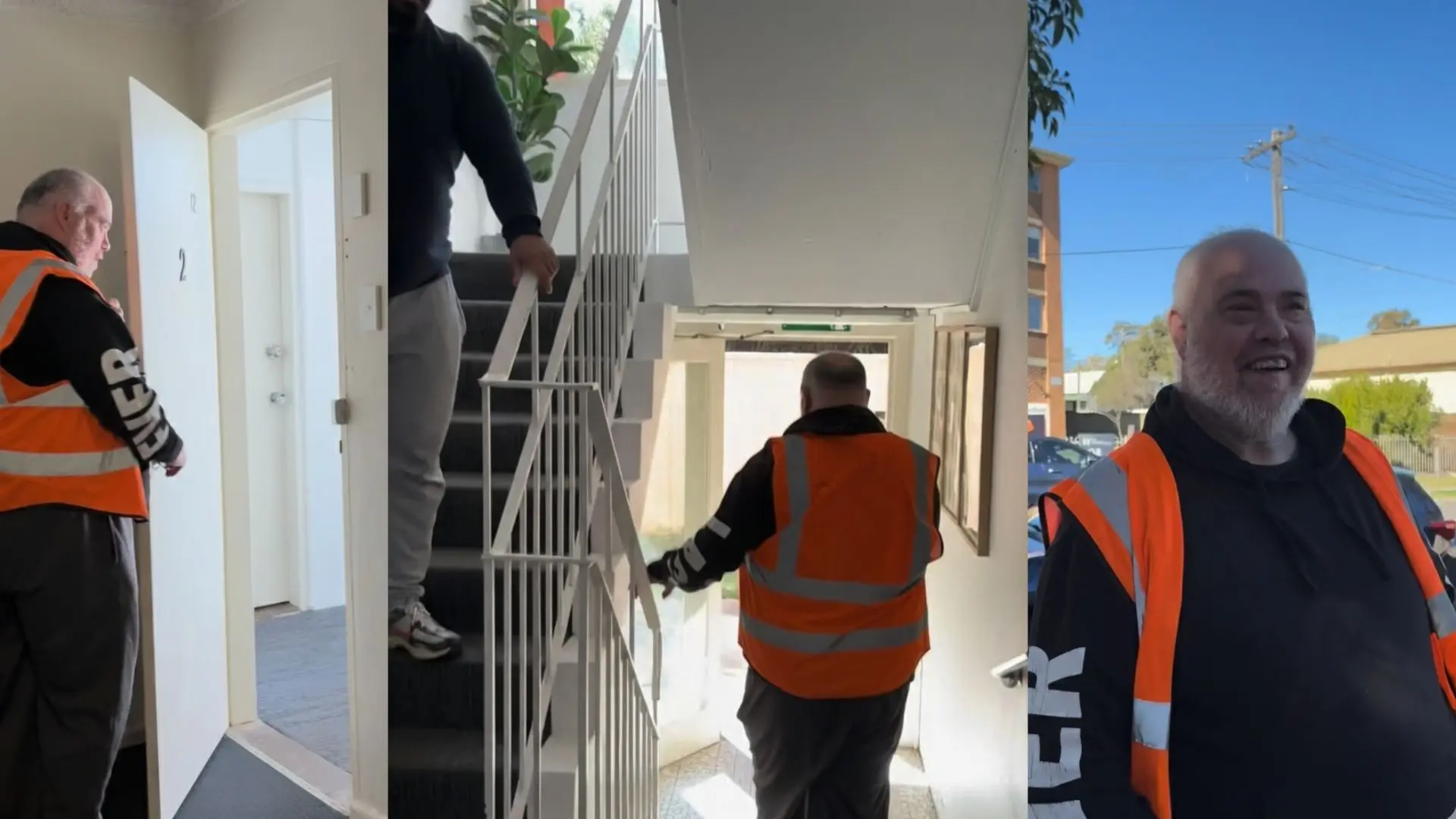
4. Regular Drills and Familiarisation
Practising emergency procedures helps reduce anxiety when a real event occurs.
Participants are walked through what to expect in different scenarios, using calm, supportive language and visual prompts.
Regular drills might include:
- Evacuation practice for fire or flood
- “Shelter in place” procedures for severe storms
- Knowing where emergency kits and exits are located
The goal isn’t to alarm participants, it’s to empower them with knowledge and routine.
5. Emergency Kits and Supplies
Every SIL home should have a fully stocked emergency kit that’s easy to access and regularly checked.
Essential items include:
- First aid kit and emergency medications
- Flashlights, batteries, and portable chargers
- Bottled water and non-perishable food
- Copies of emergency contact lists and participant information
- Blankets, masks, and hand sanitiser
These small details can make a big difference during a power outage or evacuation.
6. Communication During Emergencies
When an emergency happens, staying connected is critical. Maple’s emergency plans include multiple communication method. We send mobile alerts and use WhatsApp group messaging, visual cue cards and emergency boards for participants with non-verbal communication needs.
If mobile networks go down, staff are trained to use alternate contact points or evacuation meeting locations pre-agreed upon with local emergency services.
7. Recovery and Support After an Event
Emergencies don’t end when the storm passes. After any event, Maple staff check in with participants to ensure emotional wellbeing, assess any property or equipment damage, and support continuity of daily routines.
If trauma or anxiety occurs, we connect participants with psychosocial or behavioural support specialists to rebuild confidence and return to normal activities safely.