
What Does Good Disability Support Actually Look Like?
Good disability support isn’t just about getting things done. It’s about how support feels day to day.
Because the right support doesn’t just help with tasks. It helps people feel more confident, more independent, and more in control of their lives. That’s the difference between support that simply exists and support that actually improves someone’s everyday experience.
So when we talk about good disability support, what are we really referring to?
It starts with the person
At its core, good support begins with understanding. No two people live the same life, have the same goals, or want the same level of involvement in their day-to-day routines. That’s why strong NDIS disability support doesn’t start with a service offering — it starts with the person.
Taking the time to understand how someone likes their day to run, how they communicate, what matters to them, and where they want to get to is what separates average support from meaningful support. When this foundation is done properly, everything else becomes more natural.
That’s what person-centred disability support should actually look like in practice — not just a term used in plans, but something reflected in how support shows up each day.
Consistency builds trust
Consistency is one of the most underestimated parts of quality disability support services, yet it’s often the thing that makes the biggest difference.
When the same support worker shows up regularly, something important happens. Conversations become easier. Routines feel more settled. There’s less need to explain things over and over again. Over time, trust builds — and with trust comes comfort.
Without that consistency, support can start to feel fragmented. But with it, support becomes something stable. Something reliable. Something people can actually lean on.
For many participants, especially those with more complex needs, that consistency isn’t just helpful — it’s essential.
It feels natural, not transactional
Good support doesn’t feel like a checklist.
It doesn’t feel rushed, overly structured, or clinical. Instead, it feels natural — like someone genuinely understands how to be present, listen properly, and communicate in a way that makes sense.
Often, the biggest difference isn’t in what gets done, but in how someone feels afterwards. Whether they feel heard. Whether they feel respected. Whether they feel more confident than they did before.
That emotional side of support is often overlooked, but it’s where the real quality sits.
It builds independence over time
There’s a common misconception that more support always means doing more for someone.
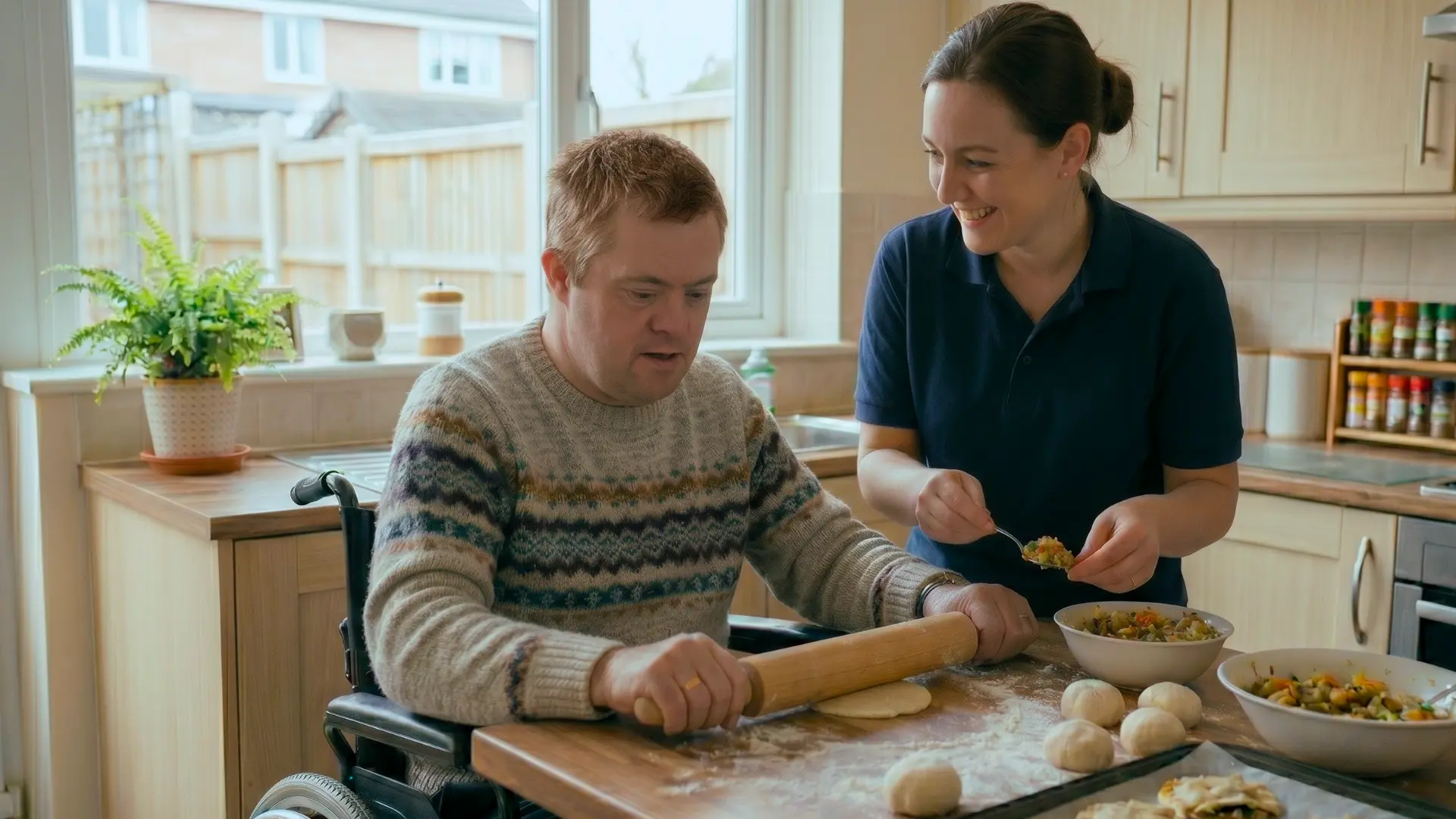
In reality, good support focuses on doing things with someone.
Strong independent living disability support is about gradually building confidence, capability, and decision-making. That might mean encouraging someone to take part in daily tasks, supporting them to make their own choices, or simply creating space for them to try things at their own pace.
It’s not about removing support — it’s about using it in a way that increases independence over time.
Because the real goal isn’t dependency. It’s confidence.
It adapts as life changes
Life doesn’t stay the same, and neither should support.
Needs evolve, goals shift, and circumstances change. Good NDIS support providers in Australia recognise this and adjust accordingly, rather than sticking rigidly to what was originally planned.
That adaptability shows up in small but important ways — regular conversations, openness to feedback, and a willingness to adjust how things are done without making the process harder than it needs to be.
When support moves with someone instead of holding them in place, it becomes far more effective.
It works behind the scenes too
What people experience day-to-day is only part of the picture.
The quality of support is also shaped by what’s happening in the background. Clear communication, reliable scheduling, and quick responses when something changes all play a role in how smooth and consistent support feels.
When these elements are working well, support feels seamless. When they’re not, even good intentions can feel disjointed.
That’s why good support isn’t just about people — it’s about the systems around them as well.
It’s connected, not isolated
Support doesn’t exist in a vacuum. Often, the best outcomes come from how well different people work together around someone.
That might include family members, support coordinators, behaviour support practitioners, or allied health teams. When communication is clear and everyone is aligned, support becomes more consistent and more effective.
Good providers understand that their role isn’t just to deliver a service, but to contribute to a broader support system that works together.
How Maple approaches support
At Maple Community Services, support is built around people — not processes.
That means taking the time to understand each person properly, prioritising consistency in support workers, and making sure communication is clear and responsive. It also means focusing on outcomes that actually matter in everyday life, not just service delivery.
The aim isn’t just to provide support, but to make life feel more stable, more manageable, and more in control as things evolve.
So, what does good disability support look like?
It’s consistent. It’s personal. It builds independence. It adapts when life changes.
But more than anything, it feels right.
Because when support is done well, it doesn’t feel like a service being delivered.
It feels like something that fits naturally into everyday life.
Need support that actually fits your life?
If you’re looking for NDIS disability support that focuses on consistency, independence, and real outcomes, it’s worth having a conversation.
The right support shouldn’t feel forced.
It should feel like it works with you.
Good support isn’t just about being there when it’s needed. It’s about being there consistently. Everyday with Maple is our commitment to that — support that shows up, fits into your life, and makes a genuine difference over time.