Disability Inclusion in the Community: Accessibility in 2025
Australia is in the middle of a powerful shift, one where inclusion, accessibility, and opportunity are no longer side conversations, but the main story. While the NDIS continues to support individuals, a bigger movement is happening all around us: in our communities, workplaces, and public spaces. Across the country, governments, organisations, and local councils are investing in real change, from accessible infrastructure and inclusive technology to greater employment opportunities and community participation.
Inclusivity is one of the driving forces behind our partnerships, like our collaboration with the AFL Inclusion programs, where we champion opportunities for people of all abilities to connect, play, and belong. Seeing Australia’s momentum toward accessibility gain real traction this year makes us proud and hopeful for what’s next. Discover the areas we are seeing accessibility thrive.
1. Accessibility in Public Spaces: More Than Ramps and Rails
The biggest transformation we’re seeing in 2025 is happening right in our own neighbourhoods. Across Australia, public spaces are being reimagined to ensure that people of all abilities can move freely, connect confidently, and feel part of their community. Accessibility is no longer an afterthought, it’s becoming a design principle.
From upgraded infrastructure to sensory-conscious layouts, local councils and governments are making meaningful changes that improve everyday life. You can see the shift in spaces like:
- Sydney’s Barangaroo Reserve – with wide accessible pathways and viewing decks.
- Melbourne’s Royal Botanic Gardens – featuring sensory-friendly garden zones.
- Queensland’s South Bank Parklands – with inclusive playgrounds and beach-style lagoons.
- Adelaide’s Rundle Mall – now offering hearing loops and accessible rest areas.
- Perth’s Elizabeth Quay – designed with ramps, tactile paving, and accessible bathrooms.
True inclusion happens when participation doesn’t require special permission or separate arrangements. When everyone can attend the same festival, visit the same park, and share the same experience, belonging becomes second nature.
2. Inclusive Workplaces: A Growing Movement
In 2025, diverse workplaces are proving to be more creative, resilient, and forward-thinking. Businesses across the country are partnering with NDIS employment programs, introducing inclusive recruitment practices, and making physical and digital workspaces more accessible. Today, inclusion in the workplace might look like:
- Flexible work arrangements that support different routines and sensory needs.
- Assistive technology such as screen readers or speech-to-text software.
- Accessible office design, from quiet zones to adjustable desks.
- Mentorship and leadership programs for employees with disability.
- Government-backed initiatives that support inclusive employment pathways.
As businesses make room for everyone, they aren’t just changing their workplaces, they’re changing the culture of opportunity across Australia.
3. Digital Inclusion: Accessibility Online and On-Screen
As more of life moves online, digital accessibility has become just as vital as physical accessibility. In 2025, digital design is focusing on one key question: Can everyone use this?
Thankfully, the answer is increasingly becoming “yes.” Governments, developers, and brands are building tools that empower independence and connection. Standout examples include:
- NDIS website – upgraded to meet full WCAG 2.2 accessibility standards.
- ABC iView – offering captions, audio description, and Auslan-interpreted content.
- Service NSW app – now screen-reader friendly and voice-controlled.
- Microsoft’s Seeing AI – an app that narrates surroundings for low-vision users.
- Google Maps accessibility features – with step-free route and accessible bathroom info.
4. Community Connection: Inclusion as a Shared Experience
Across Australia, communities are creating programs and events that make everyone feel welcome, valued, and seen. From local sports teams to art festivals, people with disability are being invited to take part in ways that celebrate individuality rather than limit it. Examples of community inclusion in action include:
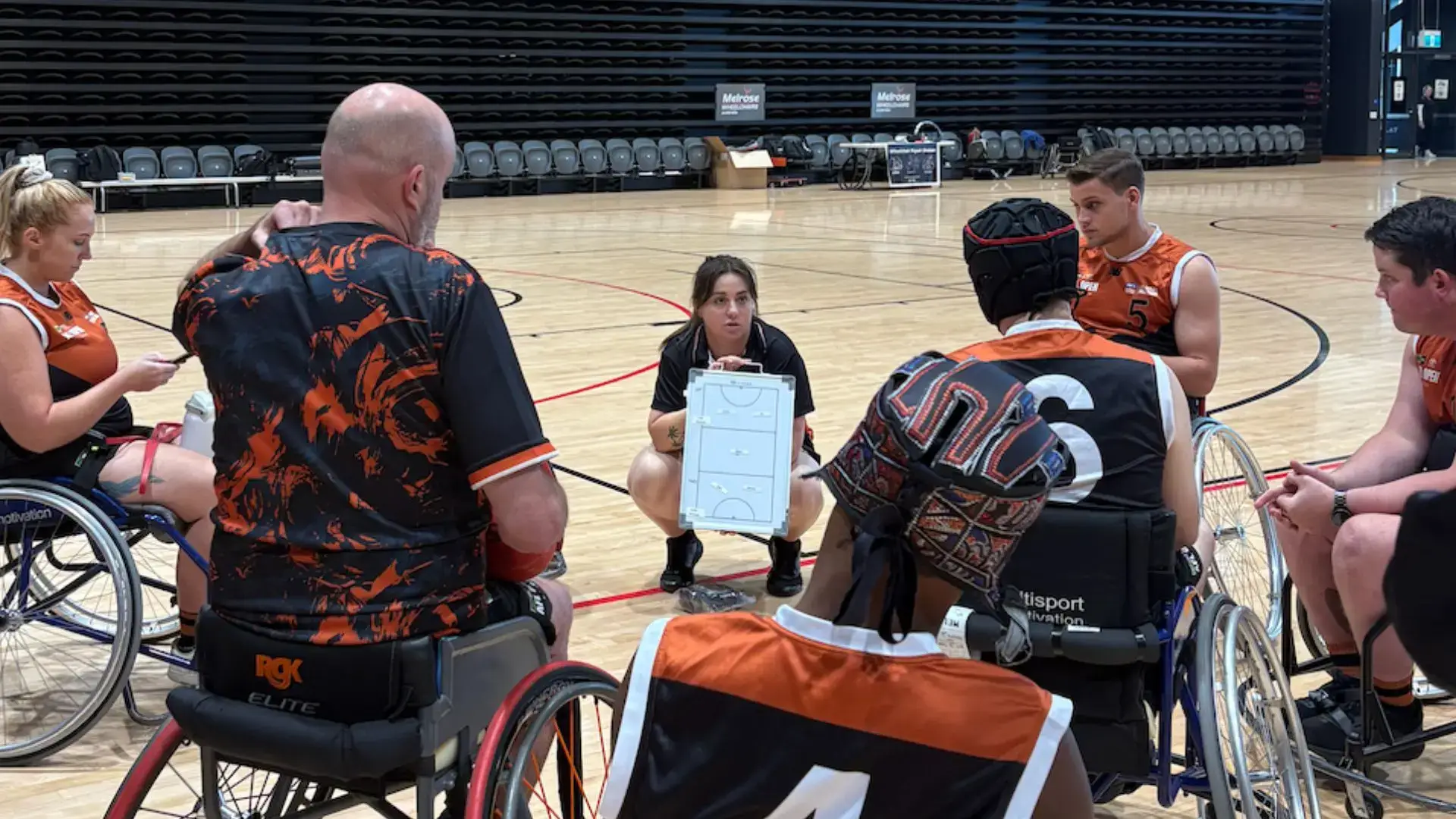
- AFL Inclusion Carnivals and wheelchair sports leagues promoting access to sport.
- Vivid Sydney’s sensory-friendly sessions, offering quieter, low-stimulation environments.
- NDIS-supported social groups for young adults to explore hobbies together.
- Accessible transport training programs empowering independent travel.
- Regional community festivals introducing inclusive seating, signage, and pathways.
We’re proud to play our part in this change. Through our partnership with the AFL, Maple Community Services is donating 75 wheelchairs across Australia, giving more Aussies the opportunity to get involved in adaptive sports and experience the power of inclusion through teamwork, movement, and community spirit.
5. The Role of the NDIS and Providers Like Maple
While the NDIS plays a crucial role in supporting individuals, real inclusion thrives when participants feel connected to the world around them. That’s where NDIS providers make a real difference.
At Maple, our mission is to bridge that gap, helping participants build independence, confidence, and social connection through personalised supports. From assistance with daily living and transport to accessing day programs and local community activities, we’re proud to walk alongside participants as they explore the world with confidence.
Because inclusion isn’t just about removing barriers, it’s about opening doors.
Building an Inclusive Australia Together
Disability inclusion isn’t a trend or a goal, it’s an expectation. As our cities, workplaces, and digital spaces evolve, we’re seeing a shift toward communities that don’t just make space for people with disabilities, we recognise them as an essential part of who we are.
At Maple Community Services, we’re proud to be part of this movement. Every partnership, every support, and every community connection we build is guided by one simple belief: when everyone belongs, everyone thrives.
Want to learn more about our inclusion initiatives or how Maple can support you to connect with your community? Contact our friendly team today and join us in building a more accessible, inclusive Australia!
