

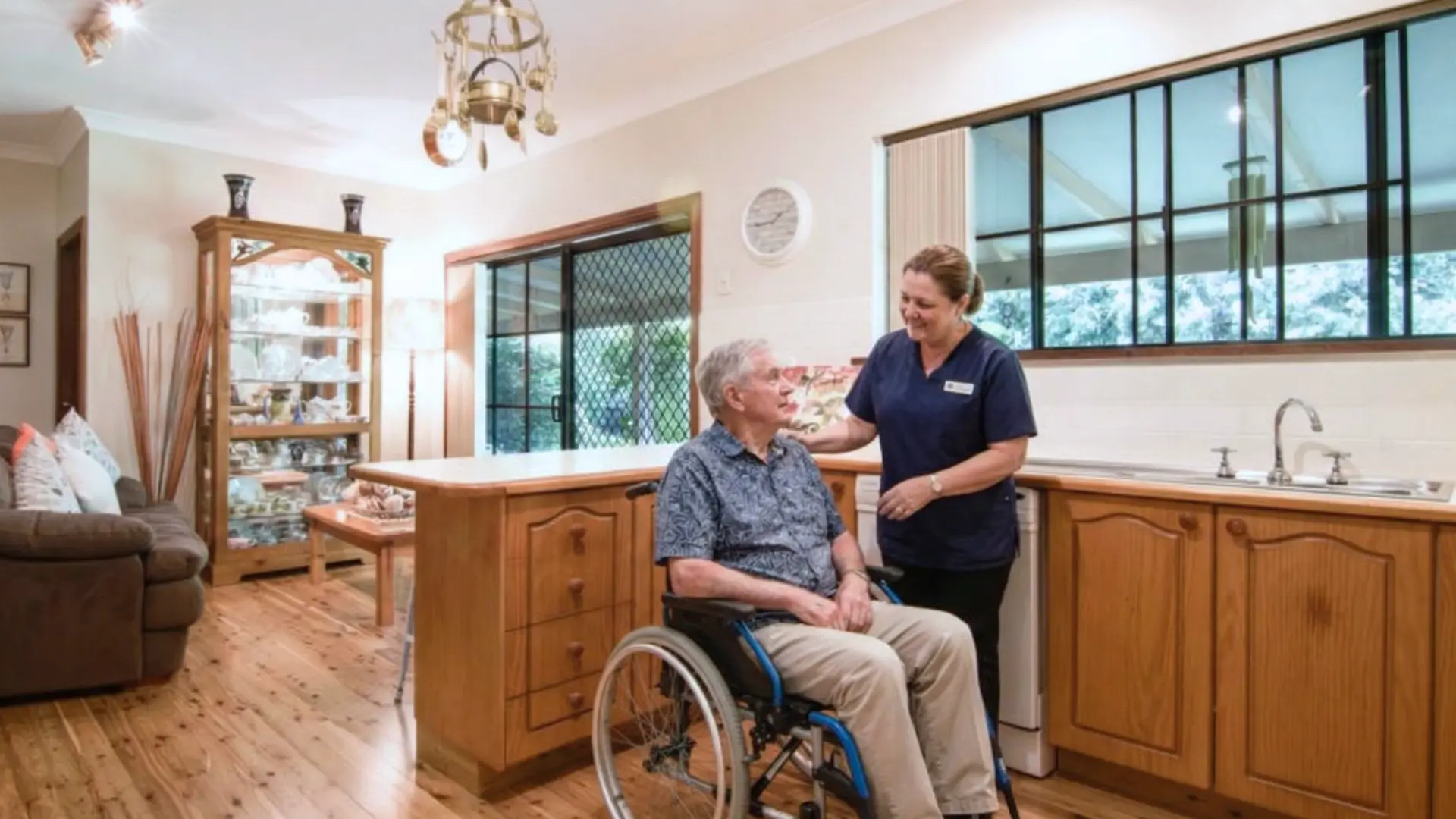
Building Independence Through Supported Living
A supported independent living lifestyle is about more than receiving care. It is about building confidence, developing life skills and creating a stable routine that supports long-term independence.
For many participants, disability independent living creates the balance between structured support and personal freedom. With the right environment and team in place, supported living becomes a pathway toward growth rather than just supervision.
What Life in Supported Independent Living Looks Like
Living in SIL housing often provides:
- Greater independence in daily routines
- Consistent structure and predictability
- Social connection with housemates
- Opportunities to build cooking and budgeting skills
- Increased community participation
A supported independent living lifestyle allows participants to practise skills in a real home environment while still receiving the assistance they need.
The Role of NDIS Daily Supports
NDIS daily supports play a key role in making disability independent living sustainable.
Through Core Supports, participants may receive assistance with personal care, household tasks, meal preparation, and community access
You can learn more about how daily supports work.
When structured correctly, daily supports reinforce independence rather than replace it.
Building Confidence Over Time
Supported living encourages participants to take gradual steps toward independence. Over time, routines become habits, skills improve and confidence grows.
Whether the goal is cooking independently, managing personal appointments or participating more actively in the community, a supported independent living lifestyle provides the framework to make progress safely.
At Maple, supported independent living housing is designed to provide structure, safety and opportunities for development in equal measure.
If you would like to explore SIL options or discuss long-term living outcomes, contact our team.