

- Home
- About Us
- Referrals
- Disability Support Services
- Albinism Support
- Arthritis Support
- Anxiety Support
- Autism
- Bipolar Support
- Brain Injury Support
- Cerebral Palsy Support
- Depression Support
- Down Syndrome Support
- Physical Impairment Support
- Genetic Condition Support
- Multiple Sclerosis
- NDIS Huntingtons Support
- NDIS Mental Illness Support
- Neurological Disability Support
- Motor Neurone Disease Support
- Muscular Dystrophy Support
- NDIS Palliative Support
- NDIS Parkinson’s Disease Support
- PTSD Support
- Rheumatoid Arthritis Support
- NDIS Stroke Support
- Core Supports
- Supported Independent Living
- NDIS Plan Management
- Support Coordination
- Find Your Support Worker
- Careers
- News
- Contact Us
- Disability Support
- Anxiety Support
- Autism Support
- Brain Injury Rehabilitation
- Bipolar Support
- Cerebral Palsy Support
- Depression Support
- Down Syndrome Support
- Genetic Condition Support
- NDIS Huntingtons Support
- NDIS Mental Illness Support
- Motor Neurone Disease Support
- Muscular Dystrophy Support
- NDIS Parkinson’s Disease Support
- Physical Impairment Support
- PTSD Support
- Rheumatoid Arthritis Support
- NDIS Stroke Support
- NDIS Visual Impairment
- Psychosocial Disability Support
- Intellectual Disability Support
- Neurological Disability Support
- ADHD Support
- Core Supports
- Supported Independent Living
- NDIS Plan Management
- Support Coordination
- Why Maple
- Home
- About Us
- Referrals
- Disability Support Services
- Albinism Support
- Arthritis Support
- Anxiety Support
- Autism
- Bipolar Support
- Brain Injury Support
- Cerebral Palsy Support
- Depression Support
- Down Syndrome Support
- Physical Impairment Support
- Genetic Condition Support
- Multiple Sclerosis
- NDIS Huntingtons Support
- NDIS Mental Illness Support
- Neurological Disability Support
- Motor Neurone Disease Support
- Muscular Dystrophy Support
- NDIS Palliative Support
- NDIS Parkinson’s Disease Support
- PTSD Support
- Rheumatoid Arthritis Support
- NDIS Stroke Support
- Core Supports
- Supported Independent Living
- NDIS Plan Management
- Support Coordination
- Find Your Support Worker
- Careers
- News
- Contact Us
NDIS Bipolar Disorder Support & Care
We provide 24/7 NDIS support for people living with bipolar disorder. Delivering personalised support that helps you build stability, maintain independence, and live life on your terms.
If you are affected by disabling Bipolar Disorder, our Bipolar Disorder Support Specialists are highly skilled and trained to provide the expert assistance you need to live your life to the fullest.
Our vast experience, capacity for 24/7 support, and strong community spirit set us apart when it comes to Bipolar Disorder support services. Our pervading family values and friendly specialists give you and your loved ones peace of mind and exceptional support to pursue a happy, fulfilling, and independent life.
Are you or a loved one eligible for NDIS funding?
Trusted NDIS Registered Specialists
8,000+
Happy participants supported
10+ Years
Delivering
NDIS Services
50+
Languages to make
you feel at home
24/7
Support and
same day booking
Why choose Maple for Bipolar Support
Everyone's NDIS Journey looks different.
Find bipolar disabilty support that works for you.
Choose the right partner, not a provider.
1
I am an NDIS Participant
I want independence, choice, and a team that knows my name

2
I am a Family / Carer
I need a trusted partner to share the load and provide peace of mind
3
I am a Support Coordinator
I need a responsive partner for everyday support and complex, high-need referrals
Who Can We Help?
We provide bipolar disorder support for individuals and families, with services tailored to real needs, routines, and goals.
People Living with Bipolar Disorder
Periods of stability that can suddenly shift, uncertainty about managing everyday responsibilities, or feeling like life is harder to keep on track than it should be. We provide practical support to help you maintain routines, build confidence, and navigate daily life with greater stability and independence.
Teenagers and Young Adults
Feeling different from your peers, struggling with emotional ups and downs, or feeling overwhelmed by the pressure of school, work, and growing independence. We help young people build emotional resilience, social confidence, and practical life skills so they can move into adulthood with greater confidence and support. Balancing work, relationships, appointments, and daily responsibilities while managing changing mental health can feel exhausting. We provide consistent, person-centred support to help you maintain independence, stay connected to your community, and work towards the goals that matter most to you.
Families and Carers
Worrying about a loved one's wellbeing, carrying the weight of constant support, or feeling unsure how best to help during difficult periods can take a toll. We share the load with reliable support, honest communication, and genuine respite so you can feel confident your loved one is supported by a team that understands their needs.
What are the 4 types of bipolar?
When other providers say no to complex Bipolar disorder, Maple looks for safe ways to say yes. Whatever type of bipolar disorder you or your loved one is living with, we’ll build a small, consistent team around you, not a roster of strangers.
There are four types of Bipolar disorder that are currently individually characterised:
Type 1 Bipolar Disorder
This type is characterised by manic episodes but may or may not include depressive episodes. These manic episodes usually last a week or longer, and some people living with this type may need to be hospitalised to help with the symptoms. If the depressive episodes are also present, they may last over two weeks.
Type 2 Bipolar Disorder
This is characterised by both manic and depressive episodes. The mania experienced with Bipolar 2 is usually less severe than Bipolar 1. If you live with Bipolar 2, a depressive episode predates or follows the mania.
Type 3 Bipolar Disorder (Cyclothymia)
This type of Bipolar disorder experiences both depressive and manic episodes for two years or longer, although the mania and depression are generally less severe than both Bipolar 1 and 2. It causes unstable moods, meaning people with this type of Bipolar may experience periods of normalcy mixed with mania and depression.
Type 4 Bipolar Disorder
This fourth type covers different symptoms to the other three categories; it is often triggered by other factors in your life that include other underlying medical conditions or even drugs or alcohol abuse.
What Our Clients Are Saying
I have had bipolar for many years so I have been dealing with the ups and downs as best as I can. Having someone like Maple there to support me and to reassure me when my mood changes has helped me no-end.
MariaNDIS Participant 
Finding the right provider for our son was a daunting decision but we are really happy with the team at Maple. They have built a support team that allows him to reach his goals and best of all, he is enjoying himself.
RajFamily Carer 
I honestly feel so much better knowing that people have my back. I love my support team and they always encourage me, without putting too much pressure on me to hit my goals.
ElenaNDIS Participant 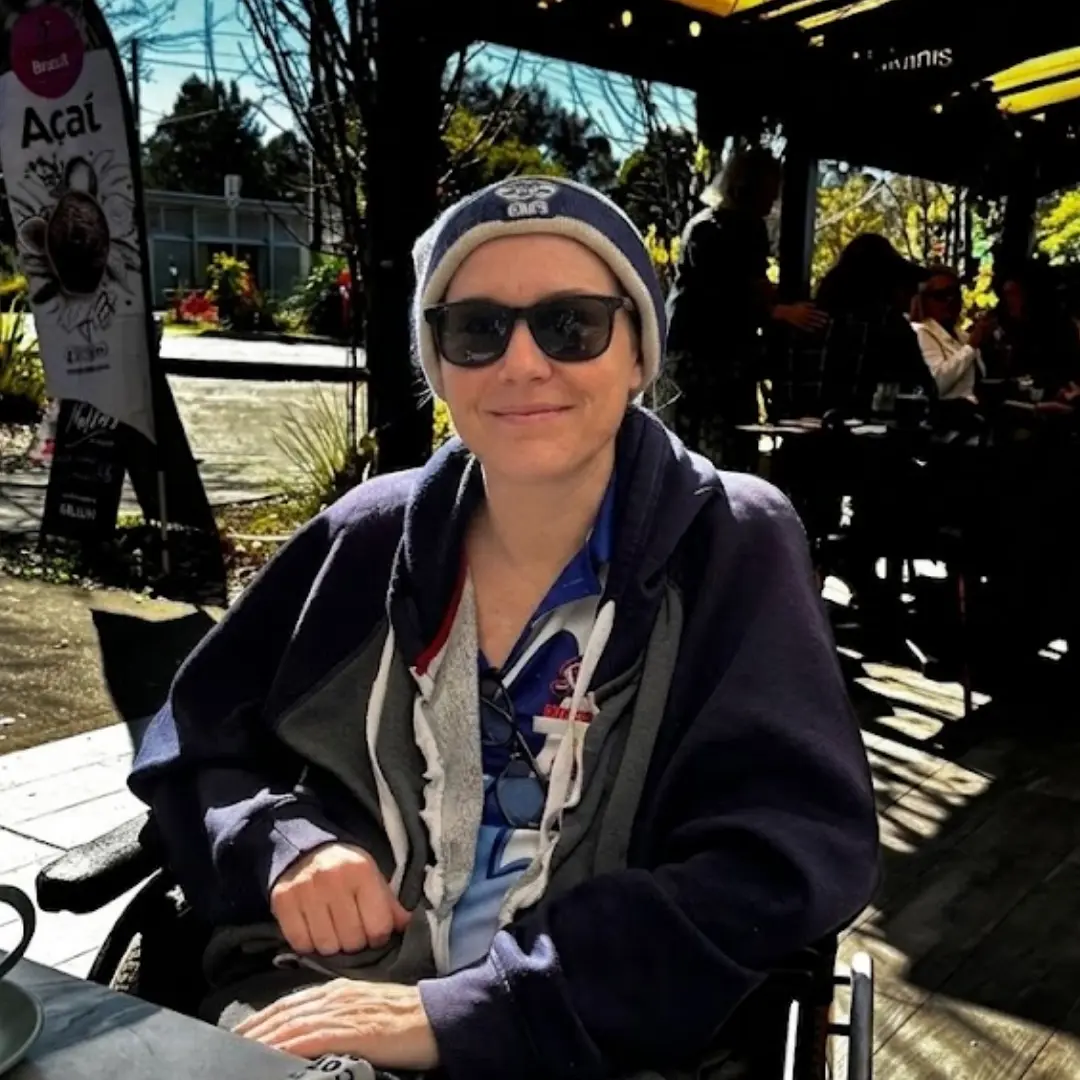
Find your Perfect Bipolar Support Worker
Take our quiz to find your perfect Bipolar support worker – takes 2 minutes for your perfect match.
Find your perfect support worker match
Answer 7 quick questions. We'll show you who we think would be a great fit.
It only takes 2 minutes.
🔒 Your answers are private · No commitment needed
Step 1 of 7
First up — who are we finding a support worker for?
👤
Myself
👨👩👧
My family member
👤
My client We'll tailor this for coordinators
What kind of support are you looking for?
You can pick up to 3.
🏠Help at home
🤲Personal care
🧠Complex or high-intensity care
🚌Getting out in the community
🧩Autism or behaviour support
💊Mental health support
🏥Medical or clinical care
🧓Aged or disability support
🏡Supported Independent Living (SIL)
📋Something else
Does speaking the same language matter to you?
Yes, it's really important to me
It would be nice but not essential
Not important to me
Are there any cultural or religious practices your support worker should know about?
Things like dietary needs, prayer times, or family traditions — these matter to us.
Yes, this is important to me
A little — I'll share more later
Not important for me right now
Do you have a preference for the gender of your support worker?
Especially for personal care, this is completely your choice.
Female support worker preferred
Male support worker preferred
No preference
What kind of person do you want your support worker to be?
Think about who you'd actually enjoy spending time with. Pick up to 3.
😊Warm and chatty
🤝Calm and reassuring
💪Motivating and energetic
🎯Focused and professional
🎮Shares my interests
🌱Patient and gentle
🔬Experienced and skilled
Where are you located?
We'll check if we have workers available in your area.
We may still be able to help — get in touch.
Contact UsLooking at your answers...
Finding support workers who match your needs...
We've found some great options for you.
Great news — we've found the perfect support workers for you
Your matches are ready. Enter your details to see who we think would be a great fit.
👤
Sarah M.
Support Worker8 yrs experience
Parramatta, NSW
Personal Care & Community Access
EnglishArabic
🔒
👤
James T.
Support Worker5 yrs experience
Blacktown, NSW
Mental Health & Daily Living
EnglishHindi
🔒
👤
Linh P.
Support Worker6 yrs experience
Liverpool, NSW
Autism Support & SIL
EnglishVietnamese
🔒
Unlock your matches + get a free guide on how to choose the right NDIS support worker to achieve your goals
✅
You're on your way. We've sent your guide and match summary to . One of our team will be in touch shortly to talk through your options — no pressure, just a friendly chat.
Explore our support services →
🏆
96% Support worker retention
The lowest turnover in the industry
🌏
50+ languages spoken
By our team
🤝
8,000+ families supported
Across Australia
📞
24/7 real-person support
Never a bot
What Does Our
Bipolar Disorder Support Involve?

Personal Care
At Maple, Support Workers assist people with Bipolar Disorder with personal care, meal preparation, medication routines, and attending appointments. Our goal is to help participants maintain their independence while providing support that feels consistent and reliable.

Household Tasks
We understand the value of healthy eating and keeping a clean home. People living with Bipolar Disorder may experience significant distress or not be able to complete their household tasks. As a part of our NDIS services, we provide help with household tasks like cleaning, meal preparation, banking, shopping, and so much more.

Travel and Transport
Maple Community Services are here to support you or your loved one by assisting with transport to and from wherever you need to go. If your disability impairs your ability to secure transport, we can provide transportation to appointments, outings, shopping, religious places of worship, and for students, to and from school.

Community Participation
We can assist you or your loved one in accessing and participating in the community. Connections with other people in the community can be an important part of therapy or treatment for patients with Bipolar Disorder. We will guide, support, mentor, and motivate you or your loved one to succeed and reach set goals for social interaction and recreation.

Development of
Life Skills
Our team helps participants build practical skills that support long-term independence. This may include establishing healthy routines, improving confidence, managing daily responsibilities, building social skills, and working towards personal goals.

Coordination with Health Professionals
We work collaboratively with psychologists, psychiatrists, Support Coordinators, allied health professionals, family members, and other members of your support network to help ensure supports remain aligned, consistent, and focused on positive outcomes.
How much funding can you get from NDIS?
How to Get Started with Maple
Step 1
Reach out
Send us a message or give us a call. We are here to listen.
Step 3
We Find the Right Fit
Our team matches you with the right support and people who suit you best.
Step 2
Tell Us About You
We will have a relaxed chat to understand your needs, goals, and what matters most to you.
Step 4
Start Your Journey
We set everything up so you can begin with confidence, knowing you are supported every step of the way.
How Maple Community compares
| Why Maple is Different |

|
Other Providers |
|---|---|---|
Care That Speaks Your Language80% CALD workforce, 50+ languages spoken, support worker matching |
✓ | ✕ |
500+ Support Workers and Registered Nurses Ready*Immediate support, no more waiting for weeks |
✓ | ✕ |
96% Support Worker Retention vs 78% Industry AverageSame support team, real and long-term relationships |
✓ | ✕ |
Dedicated Relationship ContactOne caseworker, direct mobile and email access |
✓ | ✕ |
Supported Independent Living Placement Within 24 Hours*A smooth, supported process to make you feel at home |
✓ | ✕ |
Referral Acknowledged Within 2 HoursImmediate confirmation, never waiting in the dark |
✓ | ✕ |
Expertise in Complex & High-Needs CareSpecialists in HIDPA, psychosocial and medical cases |
✓ | ✕ |
24/7 Real Person Support LineCall any time and speak to a real person |
✓ | ✕ |
Built-In Escalation PathwaysDirect access when urgent issues arise |
✓ | ✕ |
Reporting You Can Count OnNo chasing and no documentation gaps |
✓ | ✕ |
Stable Provider for Every Stage of Your NDIS Journey10+ years of stable NDIS delivery across Australia |
✓ | ✕ |
10,000+ goals achieved hear from our community.
Types of Bipolar Disorder Support Services
Core Supports
Practical, day-to-day support that helps people living with bipolar disorder. These supports enable you to complete activities of daily living, work towards your individual goals, and meet your set objectives.
Support Coordination
Guidance to help navigate an NDIS plan, connect with suitable mental health and community supports, and ensure services remain aligned with changing needs, goals, and circumstances.
Plan Management
Stress-free management of NDIS funding and provider payments, giving participants and families more time to focus on wellbeing, stability, and achieving their personal goals. We are the connection between you or your loved one, providers, and the NDIA.
Accommodation
Safe and supportive living environments that provide consistency, security, and the right level of support to help people living with bipolar disorder live as independently as possible.
Are you looking for a Supported Independent Living?
Our SIL vacancies span shared homes and individual options across NSW, VIC, QLD, and WA.
We service all suburbs across Sydney and other key cities across Australia
Learn more about Bipolar Disorder
Enquire Today
Whether its a query about the services we provide, or just a general enquiry, we would love to hear from you!
Your Questions, Answered
How does Maple support people living with bipolar disorder?
At Maple, we understand that bipolar disorder can affect different areas of life, including routines, relationships, community participation, and overall wellbeing. Our support specialists, trained specifically in mental health and psychosocial support, provide personalised care tailored to your goals, helping you build stability, maintain independence, and navigate everyday life with greater confidence.
Maple Community Services prioritises getting to know you in order to identify and achieve your goals. We help you set a course for greater independence with reliable support. There is no better NDIS provider than Maple Community Services for Bipolar Disorder support.
Bipolar Disorder is one of the most overlooked health concerns in Australia, and, with the help of NDIS funding, we are working to make people more aware of its impact. If you are affected by disabling Bipolar Disorder, our Bipolar Disorder Support Specialists are highly skilled and trained to provide the expert assistance you need to live your life to the fullest.
Our vast experience, capacity for 24/7 support, and strong community spirit set us apart when it comes to Bipolar Disorder support services. Our pervading family values and friendly specialists give you and your loved ones peace of mind and exceptional support to pursue a happy, fulfilling, and independent life.
Can Maple support participants during periods of changing mental health needs?
Yes. We recognise that support needs can change over time. Our flexible approach allows us to adjust supports as circumstances evolve, while maintaining consistency, communication, and a strong focus on participant wellbeing. We work closely with participants, families, and healthcare professionals to ensure supports remain appropriate and effective.
How does Maple ensure consistency for participants living with bipolar disorder?
Consistency is a key part of quality support. We focus on building long-term relationships by matching participants with support workers who understand their needs, preferences, and goals. This helps create trust, reduce uncertainty, and provide the stability many participants and families are looking for.
Can Maple support people with bipolar disorder alongside other mental health or disability support needs?
Absolutely. Many participants live with bipolar disorder alongside anxiety, depression, psychosocial disability, autism, intellectual disability, or other support needs. Our experienced team provides person-centred support that considers the whole individual, not just a diagnosis, ensuring supports are tailored to their unique circumstances.
Why do participants, families, and Support Coordinators choose Maple for bipolar disorder support?
Participants, families, and Support Coordinators choose Maple because of our relationship-led approach, responsive communication, and commitment to long-term outcomes. We take the time to understand each person’s goals and provide support that is reliable, flexible, and built around their individual needs, helping create greater confidence, stability, and independence.
What are the skills & qualifications of Maple’s Bipolar Support Workers?
Our Support Workers for Bipolar have studied and trained diligently to understand and respond to the needs of people with Bipolar Disorders. You can feel confident and at ease with our Bipolar Support Workers’ exceptional skills and qualifications. We pride ourselves on our years of experience providing Bipolar Disorder support
Why Choose Maple for Bipolar Disorder Support?
At Maple Community Services, we focus on building strong relationships with each and every client that approaches us, providing them the tools, supports, and access to services that will enable them to live independently.
Our priority is to match you with a like-minded Support Worker, someone who speaks your language, understands your goals, and is committed to ensuring you have all the necessary support you need to live your life to the fullest
The Maple Family will work with you to create a personalised approach to your support schedule and roll out.
People choose Maple because we care. We are a group of professionals from all walks of life who want to make a difference in yours.
We will continually review and recommend support updates, playing a pivotal role in ensuring the support you receive are optimal for you to achieve your personal, social, and emotional wellbeing goals.
We are renowned for our extremely fast turnaround and approval times for Referrals. Please reach out to us for help with your SIL, Core Support, Plan Management, and Support Coordination Referral.
What is Bipolar Disorder?
Bipolar Disorder is a mental illness that can inflict serious disability on patients throughout Australia. People living with Bipolar Disorder experience periods of major depression as well as periods of mania or hypomania.
There are times when people living with this condition will have symptoms of Major Depressive Disorder which can include sleep disturbances, loss of interest in activities, feelings of guilt, low energy, difficulty concentrating, changes in appetite, or even thoughts of self-harm. When these symptoms have been present for 2 weeks or more, it is considered Major Depressive Disorder.
However, if a patient has ever experienced episodes where they have significantly increased energy, decreased need for sleep, reckless behaviour, their mind is racing, they talk incessantly, or abnormal self-confidence lasting anywhere from a few days to a few weeks, this is considered mania or hypomania.
When a person has experienced one episode of depression and one episode of hypomania or mania, they are usually considered to have Bipolar Disorder. Some people only experience these symptoms once or twice, while others have recurrent episodes, possibly alternating between periods of depression and mania over a long period of time.
Thankfully, there are effective therapies and medications that help patients living with Bipolar Disorder manage their illness, reduce episodes of depression or mania, and function on a day-to-day basis. When a patient’s treatment does not prevent recurrence of their symptoms, they can develop disabilities which limit their ability to perform usual tasks and diminish their quality of life. Maple Community Services is well equipped to assist patients with Bipolar Disorder in order to help them manage any disabilities they live with and improve their functional, mental, and emotional well-being.
Is bipolar disorder covered by the NDIS?
If you suffer from a long-term disability resulting from a mental health condition, and are needing financial assistance for bipolar disorder, it is covered under the NDIS, and you may be eligible for funding to benefit from our support services.
It is estimated that 3 million people in Australia experience mild to moderate mental health issues and around 700,000 people have severe and persistent mental health illnesses, demonstrating complex needs and thus requiring support due to their disability.
Psychosocial disabilities can be crippling if not addressed properly. At Maple Community Services, we can walk you through the assessment process to see if you qualify for NDIS Bipolar Disorder benefits. If you or your loved one meets the criteria, we can facilitate the process and have the full capacity to provide whatever support services you may need.
To become an NDIS client, you need to provide evidence of your mental health condition, but a specific diagnosis is not required. NDIS support is contingent on how the condition impacts you and your daily activities, rather than the diagnosis itself, and that’s where our Bipolar Disorder Specialists can help you.
What Can NDIS Fund for Bipolar Disorder?
The NDIS aims to provide better access to high-quality, personalised, and innovative supports and services to enhance the independence and social and economic participation of people with disabilities, as well as their carers when applicable.
The NDIS funds several critical services for people with Bipolar Disorder. These include personal care support, community access support, nutritional support, skills development, transport, household tasks, and behavioural support. In addition to this, Plan Management and Support Coordination Funding are almost always offered to NDIS clients when they receive their plan. The type and amount of funding available is determined in part by the level of severity of an individual’s disability.
By partnering with Maple Community Services, together, we can help you identify your priorities and outline a support plan that provides the specific services you need, enabling you to lead a fulfilling life.
Will NDIS Pay for Bipolar Assessment?
NDIS provides access to assessments for children and adults to determine their level of functioning. Rather than focusing on a diagnosis, these assessments are designed to determine the severity of your or your loved one’s disability and level of functioning in everyday life. Talk to our Bipolar Support Workers to find outr the many ways we can help.
What is goal-directed activity in mania?
Goal-directed activity is a common symptom of mania and refers to an unusual increase in purposeful activity or productivity. A person experiencing mania may suddenly take on multiple projects, work excessively, make major life decisions, spend large amounts of money, or pursue ambitious goals with increased energy and reduced awareness of potential risks.
What is the difference between Bipolar I and Bipolar II disorder?
Bipolar I disorder is characterised by severe manic episodes that may require hospitalisation and can occur with or without depressive episodes. Bipolar II disorder involves depressive episodes and less severe periods of elevated mood known as hypomania. Both conditions can significantly impact daily life and may require ongoing support and treatment.
Is bipolar disorder a disability?
Bipolar disorder can be considered a disability when it has a significant and ongoing impact on a person’s ability to carry out everyday activities, work, study, or participate in the community. In Australia, some people with bipolar disorder may be eligible for NDIS funding if it results in a permanent psychosocial disability and they meet the NDIS eligibility criteria. Eligibility is based on the functional impact of the condition rather than the diagnosis itself.
What are the different types of mania?
Mania exists on a spectrum, and mental health professionals generally describe three main types:
- Hypomania – A milder form of mania that causes increased energy, confidence, and activity but usually does not significantly interfere with daily life or require hospitalisation.
- Mania – A more severe episode that can affect judgement, relationships, work, and safety. Symptoms may include racing thoughts, reduced need for sleep, impulsive behaviour, and an unusually elevated or irritable mood.
- Mania with psychotic features – The most severe form of mania, where a person may experience hallucinations, delusions, or lose touch with reality. This typically requires urgent medical assessment and treatment.
Not everyone with bipolar disorder experiences mania in the same way. The severity, duration, and symptoms vary from person to person, and early treatment can help reduce the impact of manic episodes.