
- Home
- About Us
- Referrals
- Disability Support Services
- Albinism Support
- Arthritis Support
- Anxiety Support
- Autism
- Bipolar Support
- Brain Injury Support
- Cerebral Palsy Support
- Depression Support
- Down Syndrome Support
- Physical Impairment Support
- Genetic Condition Support
- Multiple Sclerosis
- NDIS Huntingtons Support
- NDIS Mental Illness Support
- Neurological Disability Support
- Motor Neurone Disease Support
- Muscular Dystrophy Support
- NDIS Palliative Support
- NDIS Parkinson’s Disease Support
- PTSD Support
- Rheumatoid Arthritis Support
- NDIS Stroke Support
- Core Supports
- Supported Independent Living
- NDIS Plan Management
- Support Coordination
- Find Your Support Worker
- Careers
- News
- Contact Us
- Disability Support
- Anxiety Support
- Autism Support
- Brain Injury Rehabilitation
- Bipolar Support
- Cerebral Palsy Support
- Depression Support
- Down Syndrome Support
- Genetic Condition Support
- NDIS Huntingtons Support
- NDIS Mental Illness Support
- Motor Neurone Disease Support
- Muscular Dystrophy Support
- NDIS Parkinson’s Disease Support
- Physical Impairment Support
- PTSD Support
- Rheumatoid Arthritis Support
- NDIS Stroke Support
- NDIS Visual Impairment
- Psychosocial Disability Support
- Intellectual Disability Support
- Neurological Disability Support
- ADHD Support
- Core Supports
- Supported Independent Living
- NDIS Plan Management
- Support Coordination
- Why Maple
- Home
- About Us
- Referrals
- Disability Support Services
- Albinism Support
- Arthritis Support
- Anxiety Support
- Autism
- Bipolar Support
- Brain Injury Support
- Cerebral Palsy Support
- Depression Support
- Down Syndrome Support
- Physical Impairment Support
- Genetic Condition Support
- Multiple Sclerosis
- NDIS Huntingtons Support
- NDIS Mental Illness Support
- Neurological Disability Support
- Motor Neurone Disease Support
- Muscular Dystrophy Support
- NDIS Palliative Support
- NDIS Parkinson’s Disease Support
- PTSD Support
- Rheumatoid Arthritis Support
- NDIS Stroke Support
- Core Supports
- Supported Independent Living
- NDIS Plan Management
- Support Coordination
- Find Your Support Worker
- Careers
- News
- Contact Us
NDIS Brain Injury Rehabilitation Support & Care
We provide traumatic brain injury support services that help you feel safe and more independent in everyday life. Our experienced team delivers flexible, person-centred care for people living with acquired brain injuries (ABI), with support tailored to your goals, routines, and long-term independence.
Living with a Brain Injury can change the way everyday life looks, from managing routines and appointments to rebuilding confidence, independence, and connections with others.
Whether you’re navigating life after an acquired brain injury (ABI), supporting a loved one through recovery, or looking for trusted NDIS Brain Injury support, finding the right team can make all the difference.
At Maple Community Services, we provide personalised NDIS Brain Injury support built around your goals, strengths, and daily needs. From personal care and community participation to Complex Care and Supported Independent Living (SIL), our experienced team works alongside you to create stability, consistency, and opportunities to live life on your terms. We focus on building genuine relationships, delivering reliable support, and helping you achieve greater independence every step of the way.
Are you or a loved one eligible for NDIS funding?
Trusted NDIS Registered Specialists
8,000+
Happy participants supported
10+ Years
Delivering
NDIS Services
50+
Languages to make you feel at home
24/7
Support and same day booking
Why choose Maple for Disability Support Services
Everyone's NDIS Journey looks different.
Find brain injury support that works for you.
Choose the right partner, not a provider.
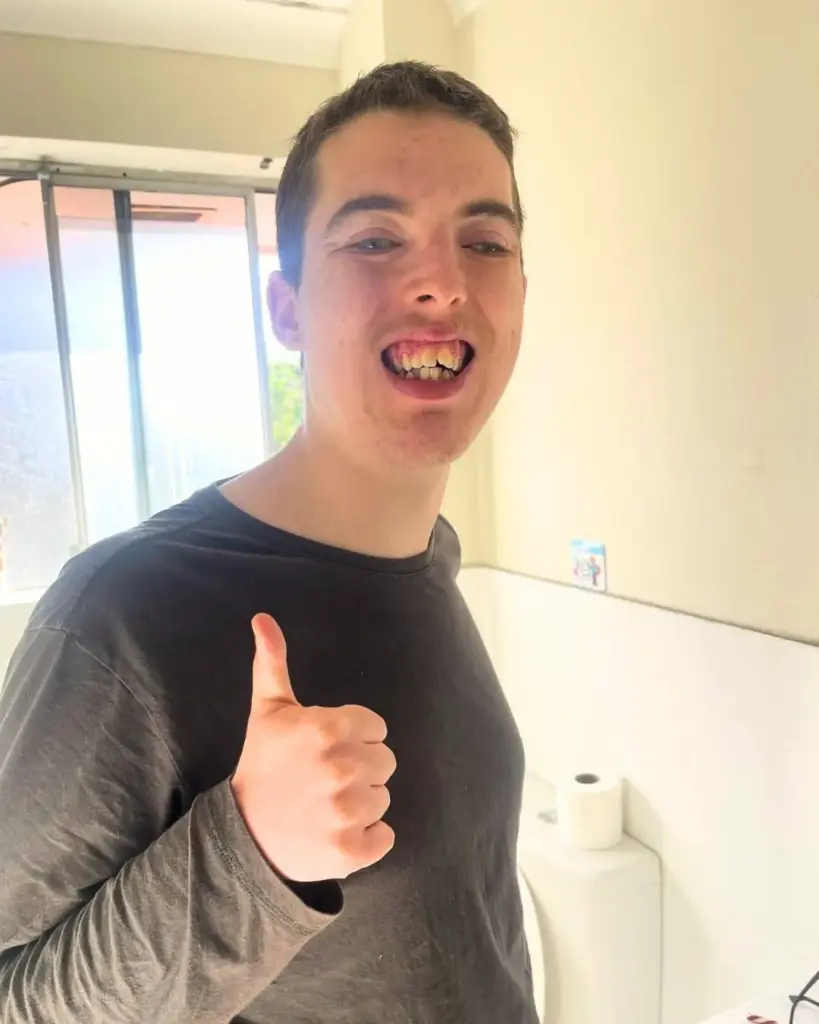
1
I am an NDIS Participant
I want independence, choice, and a team that knows my name
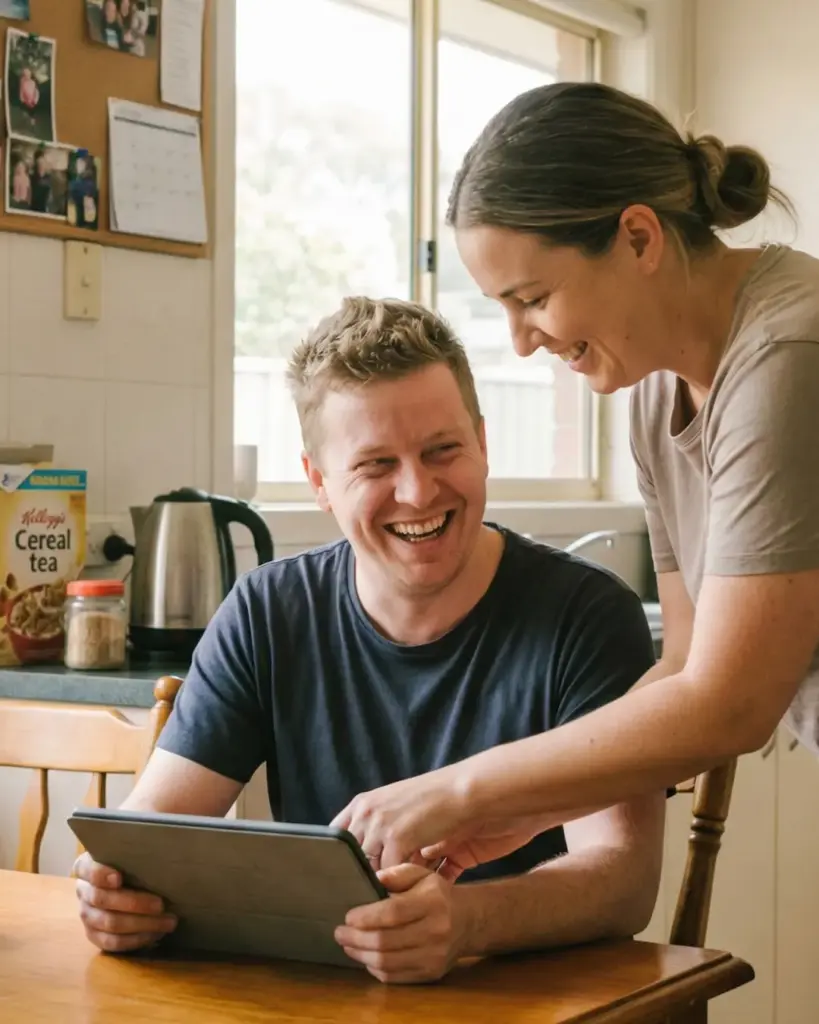
2
I am a Family / Carer
I need a trusted partner to share the load and provide peace of mind
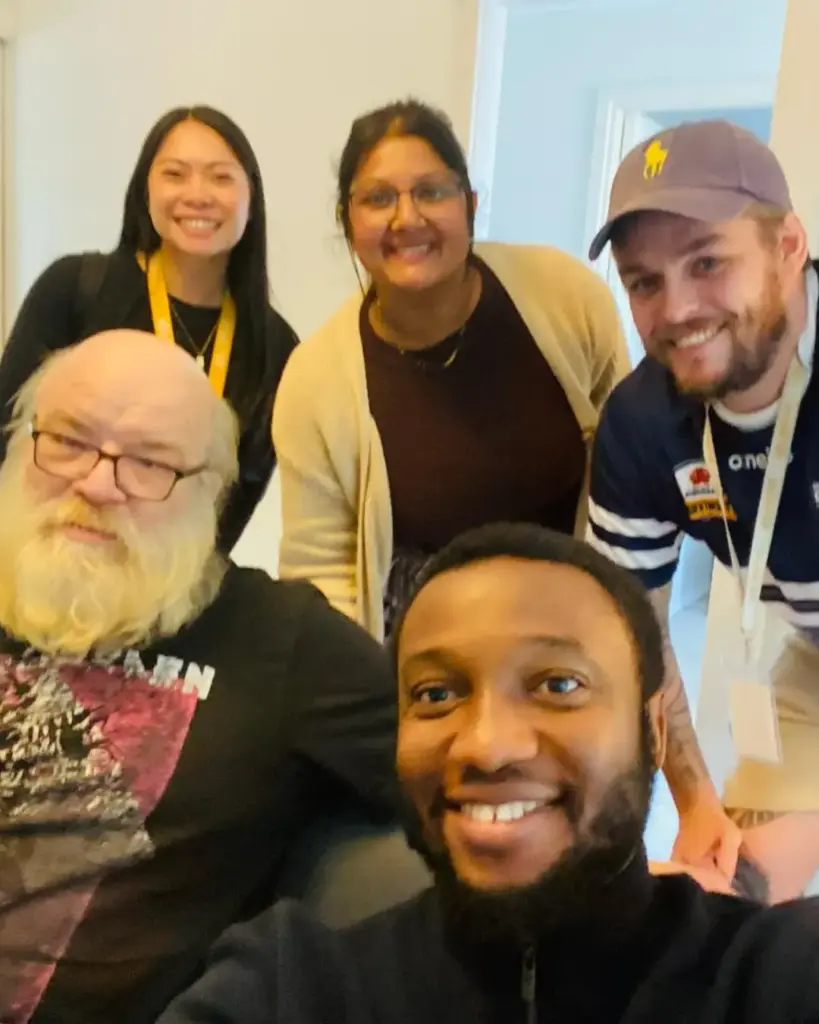
3
I am a Support Coordinator
I need a responsive partner for everyday support and complex, high-need referrals
Who Can We Help?
We support people living with Acquired Brain Injuries (ABI) who require help with daily living, community access, complex care, or building independence. Our supports are tailored to each person’s goals, routines, communication style, and level of care required.
Maple Community Services can support people who may be experiencing:
- Memory, concentration, or cognitive challenges
- Changes in behaviour, emotions, or communication
- Reduced mobility or physical functioning
- Mental health challenges linked to a Brain Injury
- Complex medical or high-intensity support needs
- Difficulties with daily routines, social connections, or independence
- The transition from hospital, rehabilitation, or supported accommodation back into the community
We also work closely with families, carers, Support Coordinators, allied health professionals, and hospitals to create consistent, long-term support that feels safe, reliable, and personalised.

Why Choose Maple for Brain Injury Rehabilitation & Care Support?
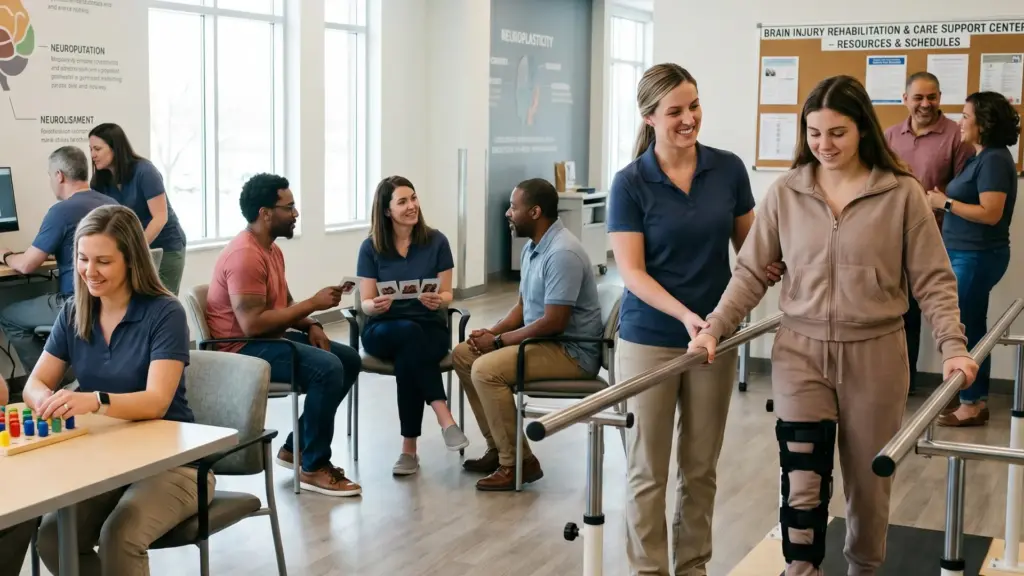
We understand that no two Brain Injuries are the same. That’s why we build personalised support around each person’s routines, goals, communication style, and level of care required.
Our experienced team supports people living with Acquired Brain Injuries (ABI) across daily living, community access, Complex Care, Supported Independent Living (SIL), and NDIS plan management. Whether you need hands-on support, help coordinating services, or an experienced NDIS Plan Manager for acquired brain injuries to help you with your funding and financial support for brain injuries, we’re here to make your NDIS journey simpler, more consistent, and focused on your goals.
Why families and Support Coordinators choose Maple:
Experienced in complex and high-intensity support needs
Consistent support workers who build genuine relationships
24/7 support available when needed
Fast referral and onboarding processes
Support tailored to culture, language, and communication preferences
Collaborative approach with families, therapists, hospitals, and coordinators
Australia-wide support with a strong focus on long-term outcomes and independence
At Maple, support is never one-size-fits-all. We take the time to truly understand the person behind the diagnosis and build a team that supports them in a way that feels comfortable, empowering, and reliable.
Building Independence
After a Brain Injury
A brain injury can affect memory, communication, decision-making, behaviour, and everyday routines. That’s why support needs to go beyond daily assistance. At Maple, we focus on building skills, confidence, and independence through consistent,
real-world support that aligns with each person’s rehabilitation goals. This reflects Maple’s strengths-based, independence-focused approach to capacity building and long-term outcomes.
Our support workers work alongside participants, families, therapists, and allied health professionals to support:
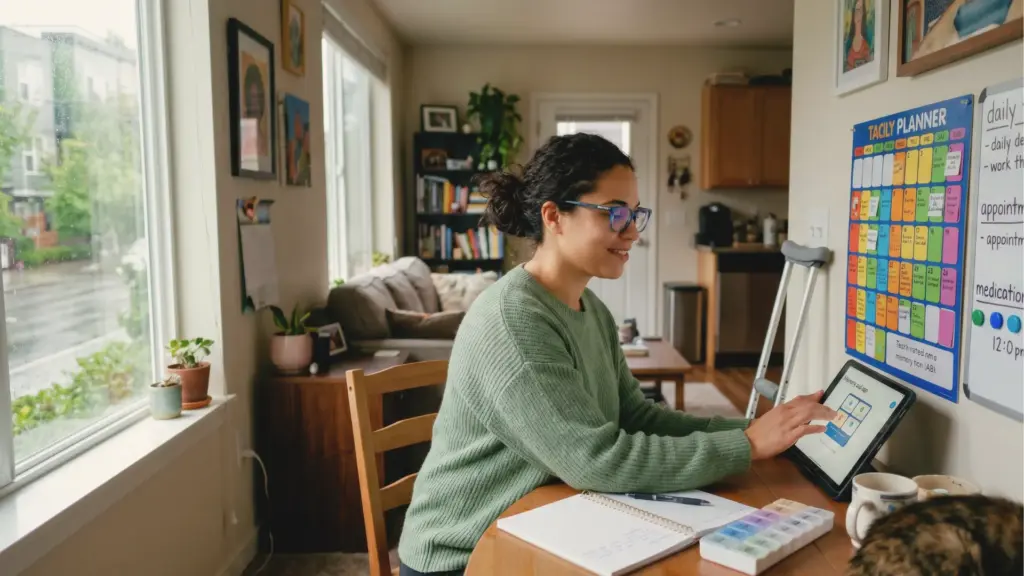
- Memory strategies such as calendars, reminders, visual schedules, and daily routines
- Communication techniques recommended by speech pathologists and rehabilitation teams
- Planning, organisation, and problem-solving skills through everyday activities
- Behaviour support strategies that promote emotional regulation and positive outcomes
- Fatigue management techniques, including pacing, rest breaks, and energy conservation
- Social skills development through community participation and confidence-building activities
- Independent living skills such as meal preparation, budgeting, shopping, and household tasks
- Goal-focused practice that helps participants apply therapy strategies in everyday life
By reinforcing these skills consistently across home and community environments, we help people with a brain injury build greater independence, confidence, and control over their daily lives.
Hear from participants who found the right support
Ater my son’s Brain Injury, we struggled to find the type of support that we wanted. It was overwhelming until we found Maple. We are so grateful for the level and consistency of communication and it gives us confidence that he has the right support team.
MarieWife of a Participant 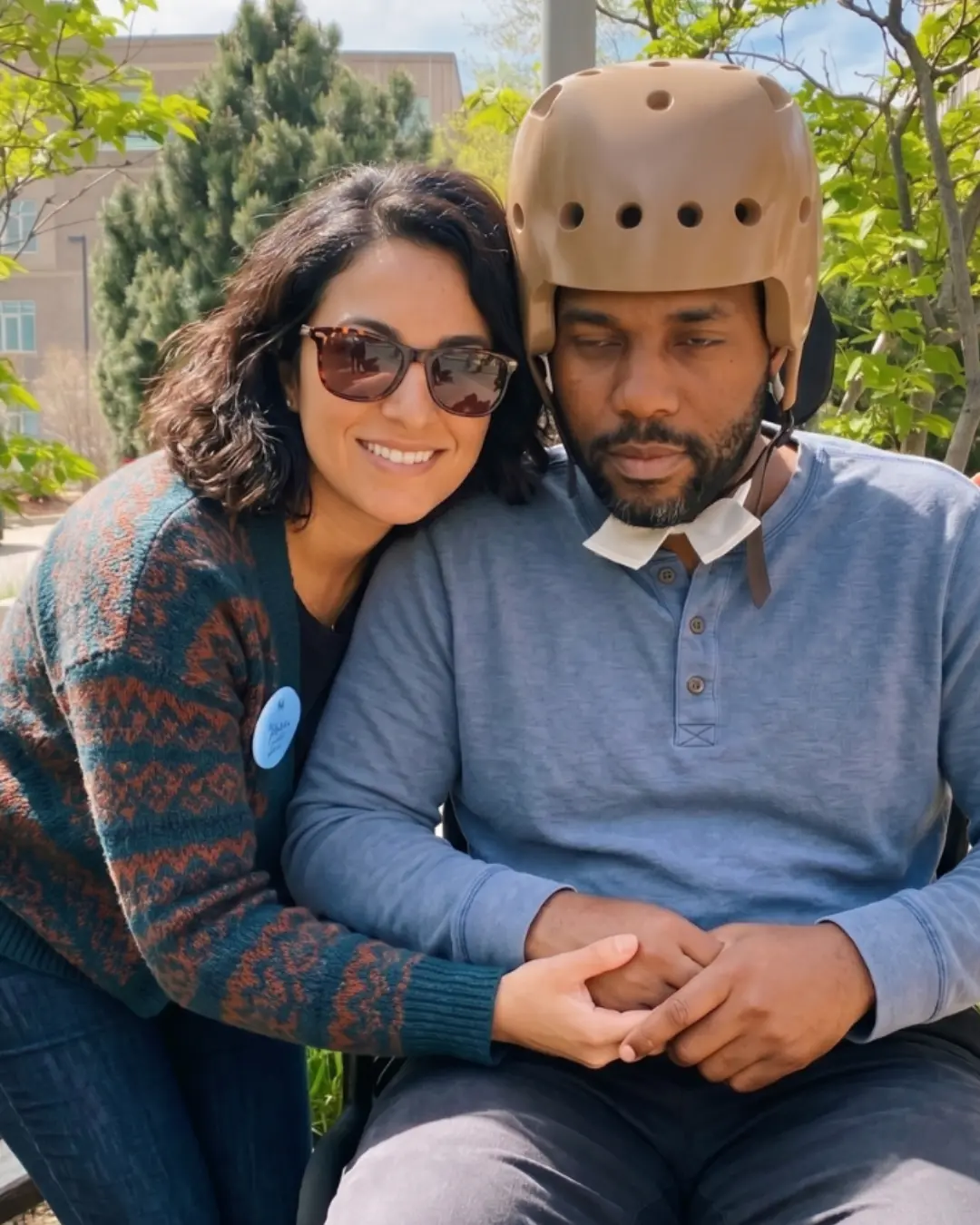
My husband’s brain injury meant our family dynamic and routine changed overnight. It is a scary process trying to navigate the NDIS so when we found Maple we immediately felt relieved. They have supported us with patience, kindness and reliability.
AliParent and Carer 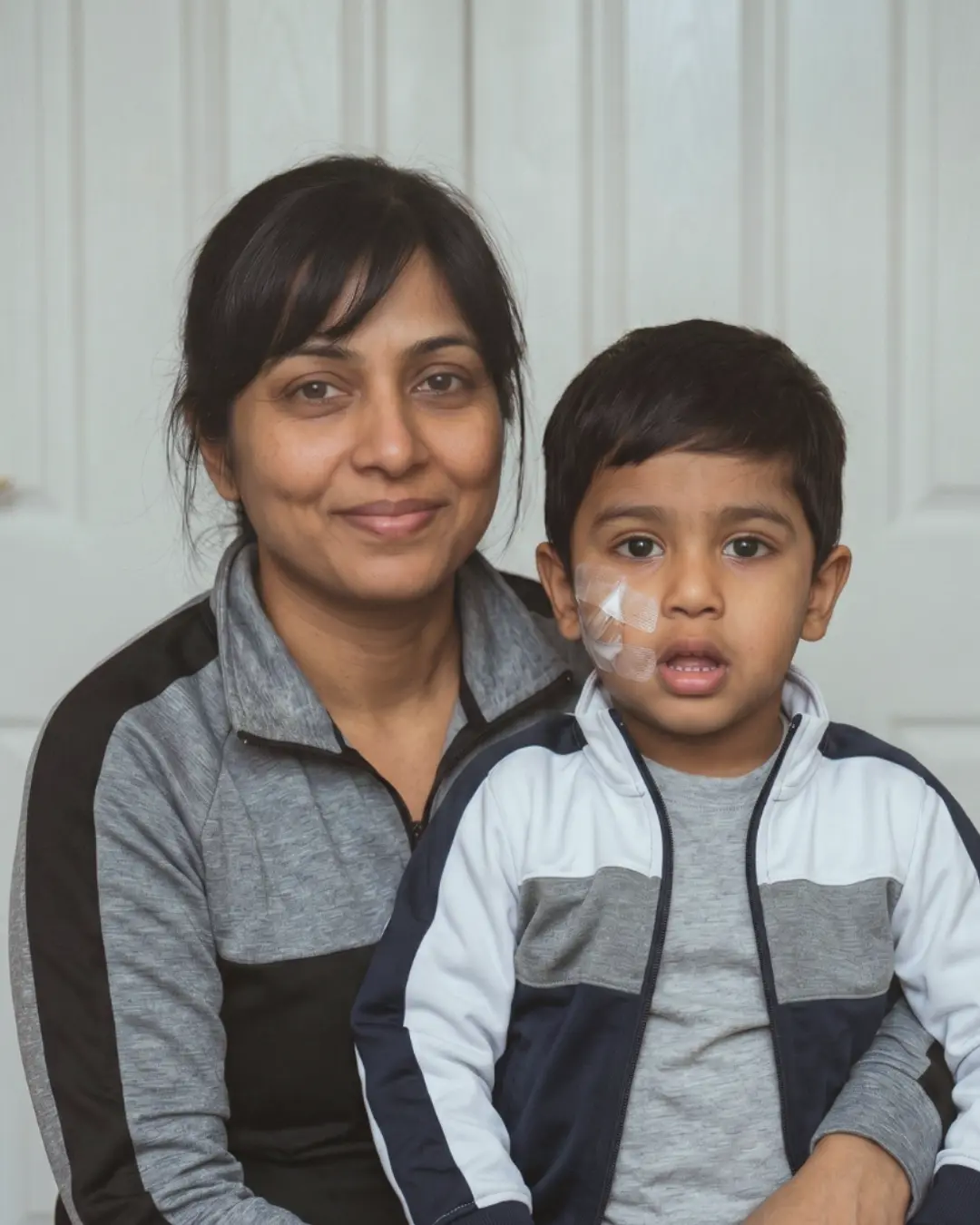
Before Maple, I was always re-explaining myself to new workers and it honestly made things so much harder after my Brain Injury. Having a consistent team now who already understands my routines, communication, and what support I need has made everyday life feel a lot less stressful.
ArjunNDIS Participant 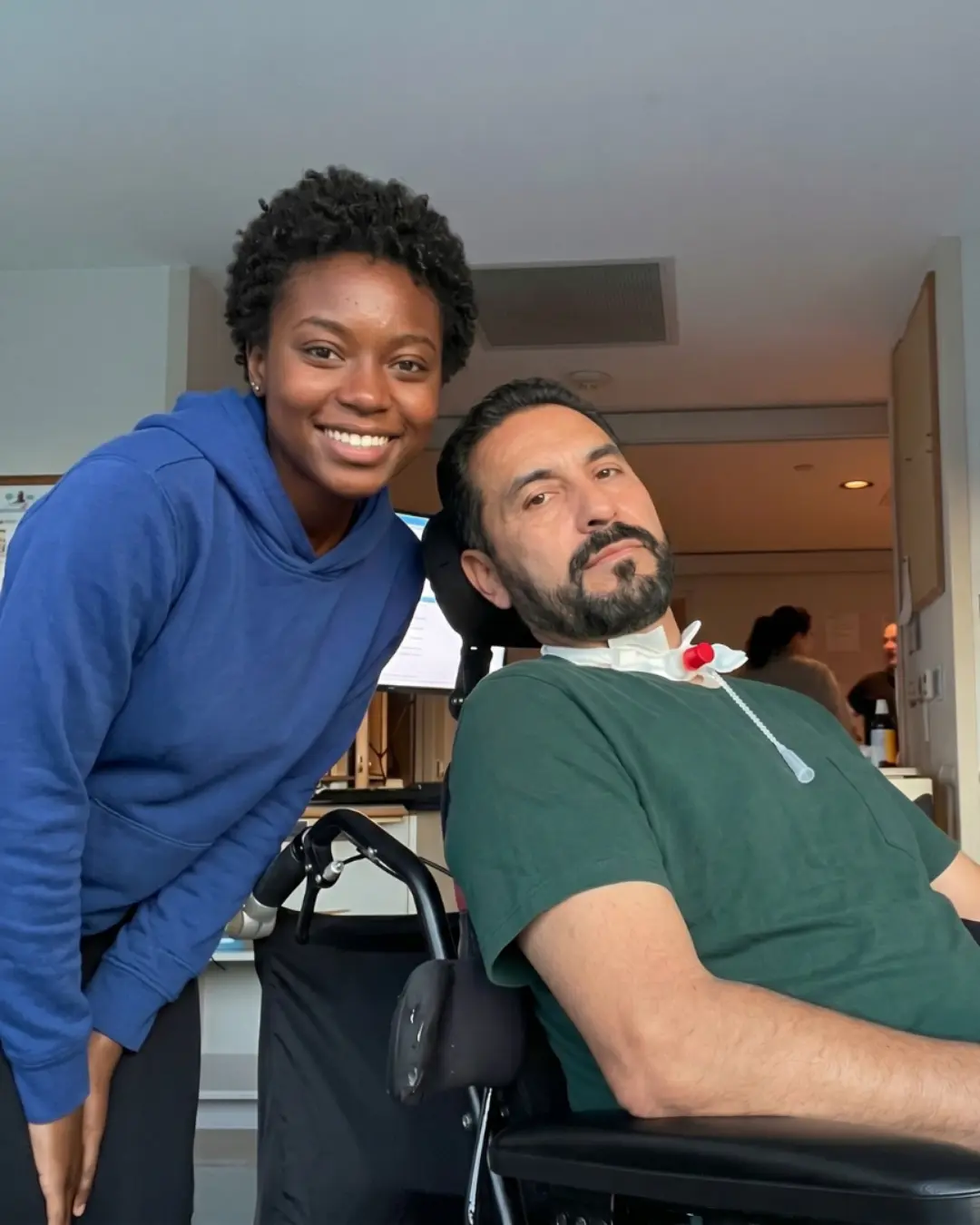
Find your Perfect Brain Injury Support Worker
Take our 2-minute quiz to find your perfect Brain Injury Support Worker.
Find your perfect support worker match
Answer 7 quick questions. We'll show you who we think would be a great fit.
It only takes 2 minutes.
🔒 Your answers are private · No commitment needed
Step 1 of 7
First up — who are we finding a support worker for?
👤
Myself
👨👩👧
My family member
👤
My client We'll tailor this for coordinators
What kind of support are you looking for?
You can pick up to 3.
🏠Help at home
🤲Personal care
🧠Complex or high-intensity care
🚌Getting out in the community
🧩Autism or behaviour support
💊Mental health support
🏥Medical or clinical care
🧓Aged or disability support
🏡Supported Independent Living (SIL)
📋Something else
Does speaking the same language matter to you?
Yes, it's really important to me
It would be nice but not essential
Not important to me
Are there any cultural or religious practices your support worker should know about?
Things like dietary needs, prayer times, or family traditions — these matter to us.
Yes, this is important to me
A little — I'll share more later
Not important for me right now
Do you have a preference for the gender of your support worker?
Especially for personal care, this is completely your choice.
Female support worker preferred
Male support worker preferred
No preference
What kind of person do you want your support worker to be?
Think about who you'd actually enjoy spending time with. Pick up to 3.
😊Warm and chatty
🤝Calm and reassuring
💪Motivating and energetic
🎯Focused and professional
🎮Shares my interests
🌱Patient and gentle
🔬Experienced and skilled
Where are you located?
We'll check if we have workers available in your area.
We may still be able to help — get in touch.
Contact UsLooking at your answers...
Finding support workers who match your needs...
We've found some great options for you.
Great news — we've found the perfect support workers for you
Your matches are ready. Enter your details to see who we think would be a great fit.
👤
Sarah M.
Support Worker8 yrs experience
Parramatta, NSW
Personal Care & Community Access
EnglishArabic
🔒
👤
James T.
Support Worker5 yrs experience
Blacktown, NSW
Mental Health & Daily Living
EnglishHindi
🔒
👤
Linh P.
Support Worker6 yrs experience
Liverpool, NSW
Autism Support & SIL
EnglishVietnamese
🔒
Unlock your matches + get a free guide on how to choose the right NDIS support worker to achieve your goals
✅
You're on your way. We've sent your guide and match summary to . One of our team will be in touch shortly to talk through your options — no pressure, just a friendly chat.
Explore our support services →
🏆
96% Support worker retention
The lowest turnover in the industry
🌏
50+ languages spoken
By our team
🤝
8,000+ families supported
Across Australia
📞
24/7 real-person support
Never a bot
What Does Our Brain Injury Rehabilitation & Care Support Involve?

Personal Care
At Maple, Support Workers assist with daily routines like personal hygiene, meals, and appointments. We help you or your loved one live more independently, at home or in shared living.

Household Tasks
At Maple, Support Workers assist with daily routines like personal hygiene, meals, and appointments. We help you or your loved one live more independently, at home or in shared living.

Travel and Transport
Get where you need to go with confidence and ease. We provide safe and reliable transport to appointments, school, and community activities.

Garden Maintenance
At Maple, Support Workers assist with daily routines like personal hygiene, meals, and appointments. We help you or your loved one live more independently, at home or in shared living.

Community Participation
Build confidence, connections, and independence in everyday life. We support you to get involved in social, recreational, and community activities.

Development – Life Skills
We support the development of everyday life skills to help people regain confidence and independence after a brain injury. This can include support with routines, communication, organisation, decision-making, and daily living activities.
How much funding can you get from NDIS?
How to Get Started with Maple
Step 1
Reach out
Send us a message or give us a call. We are here to listen!
Step 3
We Find the Right Fit
Our team matches you with the right support and people who suit you best.
Step 2
Tell Us About You
We will have a relaxed chat to understand your needs, goals, and what matters most to you.
Step 4
Start Your Journey
We set everything up so you can begin with confidence, knowing you are supported every step of the way.
How Maple Community compares
to other NDIS providers
| Why Maple is Different |

|
Other |
|---|---|---|
Care That Speaks Your Language80% CALD workforce, 50+ languages spoken, support worker matching |
✓ | ✕ |
500+ Support Workers and Registered Nurses Ready*Immediate support, no more waiting for weeks |
✓ | ✕ |
96% Support Worker Retention vs 78% Industry AverageSame support team, real and long-term relationships |
✓ | ✕ |
Dedicated Relationship ContactOne caseworker, direct mobile and email access |
✓ | ✕ |
Supported Independent Living Placement Within 24 Hours*A smooth, supported process to make you feel at home |
✓ | ✕ |
Referral Acknowledged Within 2 HoursImmediate confirmation, never waiting in the dark |
✓ | ✕ |
Expertise in Complex & High-Needs CareSpecialists in HIDPA, psychosocial and medical cases |
✓ | ✕ |
24/7 Real Person Support LineCall any time and speak to a real person |
✓ | ✕ |
Built-In Escalation PathwaysDirect access when urgent issues arise |
✓ | ✕ |
Reporting You Can Count OnNo chasing and no documentation gaps |
✓ | ✕ |
Stable Provider for Every Stage of Your NDIS Journey10+ years of stable NDIS delivery across Australia |
✓ | ✕ |
How We Can Help You
Core Supports
Help with everyday tasks so you can live more independently and work towards your goals.
Support Coordination
We help you understand your plan and connect with the right providers.
Plan Management
We manage your funding and payments so you don’t have to deal with the admin.
Disability Accommodation
Support with daily living in a safe, comfortable home so you can live as independently as possible.
Are you looking for a Supported Independent Living?
Our SIL vacancies span shared homes and individual options across NSW, VIC, QLD, and WA.
We service all suburbs across Sydney and other key cities across Australia
- Sydney
- Melbourne
- Brisbane
- Gold Coast
- Perth
- Orange
- Bathurst
- Dubbo
- Central Coast
- Wollongong
- Sunshine Coast
- Geelong
- Sydney
- Melbourne
- Brisbane
- Gold Coast
- Perth
- Orange
- Bathurst
- Dubbo
- Central Coast
- Wollongong
- Sunshine Coast
- Geelong
Enquire Today
Whether its a query about the services we provide, or just a general enquiry, we would love to hear from you!
Your Questions, Answered
Absolutely. Supported Independent Living (SIL) isn’t about doing everything on your own. It’s about having the right support around you so you can live as independently as possible while working towards your goals.
At Maple, we take the time to understand how your brain injury affects your day-to-day life, whether that’s memory, communication, emotional regulation, mobility, or decision-making. We then build a personalised support team around your needs, helping you develop confidence, routines, and greater independence over time.
Our goal isn’t to focus on what has changed. It’s to help you focus on what’s possible.
Many people wait until they feel “ready,” but often the right support environment is what helps create that readiness.
If you or your loved one are struggling with daily tasks, relying heavily on family members, experiencing social isolation, or finding it difficult to manage safely at home, SIL may be worth exploring.
At Maple, we’ll help you understand your options without pressure. Our team can work alongside families, Support Coordinators, therapists, and rehabilitation teams to determine whether Supported Independent Living is the right next step and what level of support may be needed.
Professional support is usually required for those with more severe functional deficits in order to improve a person’s quality of life. Maple Community Services is ideally equipped to provide this support with particular expertise in working with patients with Brain Injuries.
Brain injuries can affect every person differently, which is why there is no one-size-fits-all approach.
Our support can include:
- Personal care and daily living assistance
- Medication and health support
- Community participation and social connection
- Life skills development
- Behaviour and emotional support
- Complex care and high-intensity supports
- Supported Independent Living (SIL)
- Coordination with rehabilitation and allied health teams
We build support around your goals, whether that’s returning to community activities, improving independence, developing new routines, or simply feeling more confident day to day.
Maple Community Services prioritises getting to know you in order to identify and achieve your goals. We help you set a course for greater independence with reliable support. There is no better NDIS provider than Maple Community Services for Brain Injury support.
Our extensive experience, capacity for 24/7 support, and strong community spirit set us apart when it comes to Brain Injury Support Services. Our strong family values and friendly specialists give you and your loved ones peace of mind and exceptional support to pursue a happy, fulfilling, and independent life.
This is one of the most common concerns we hear from families and Support Coordinators.
Many people living with brain injuries need consistency, structure, and trusted relationships to thrive. Frequent support worker changes can disrupt routines, progress, and confidence.
At Maple, we focus on building small, consistent support teams who genuinely get to know the people they support. We also provide regular communication, dedicated contacts, and a responsive intake process so you’re never left wondering what’s happening next.
Because support works best when it feels predictable, personal, and reliable.
Yes.
Maple regularly supports participants with complex and high-intensity needs, including those transitioning from hospital, rehabilitation settings, family homes, or unsuitable living arrangements.
Our team works collaboratively with Support Coordinators, occupational therapists, rehabilitation specialists, Behaviour Support Practitioners, families, and guardians to create safe, sustainable support models.
You’ll have clear communication, a dedicated point of contact, and a team that understands the urgency often involved in brain injury referrals.
When other providers struggle with complexity, Maple looks for safe ways to say yes.
Our Support Workers for Brain Injury have studied and trained diligently to understand and respond to the needs of people with disabilities resulting from a Brain Injury. You can feel confident and at ease with our Brain Injury Support Workers’ exceptional skills and qualifications. We pride ourselves on our years of experience providing Brain Injury patients tailored support and exceptional care.
If you or your loved one requires prolonged care due to a disabling Brain Injury, our Brain Injury Support Specialists are highly skilled and trained to provide the expert assistance you need to live your life to the fullest.
A Brain Injury, also known as Acquired Brain Injury (ABI), occurs when an injury, illness, infection, or toxic injury results in damage to the brain’s tissues. This has the potential to cause changes in a person’s physical functioning, emotional well-being, or capacity for memory or complex thoughts. When these symptoms result in dysfunction, a person’s Brain Injury may be considered a disability.
Whatever the inciting reason for Brain Injury, the end result is a part of the brain that no longer functions as it should. This is reflected in functional deficits in cognition, physical activity, emotional stability, or memory.
Brain Injuries are common causes of functional disabilities in Australia, with over 700,000 people living in Australia having experienced a Brain Injury resulting in some level of disability.
Professional support is usually required for those with more severe functional deficits in order to improve a person’s quality of life. Maple Community Services is ideally equipped to provide this support with particular expertise in working with patients with Brain Injuries.
At Maple Community Services, we focus on building strong relationships with each and every client that approaches us providing them with the tools, supports, and access to services that will enable them to live independently.
Our priority is matching you with a like-minded Support Worker, someone who speaks your language, understands your goals, and is committed to ensuring you have all the necessary support you need to live your life to the fullest.
The National Disability Insurance Scheme (NDIS) is provided throughout Australia to anyone under the age of 65 who can demonstrate a permanent intellectual, physical, sensory, cognitive, or psychosocial disability. The overall aim of the NDIS is to improve an affected person’s ability to function in all aspects of daily living and, when possible, gain more independence.
If you or your loved one has one or more of these disabilities as a result of a Brain Injury and needs professional and financial support to manage their injury, you may be eligible for support under this scheme.
At Maple Community Services, we can walk you through the assessment process to determine if you qualify for NDIS Brain Injury support benefits. If you or your loved one meets the criteria, we will facilitate the onboarding process and have the full capacity to provide the comprehensive support services you need.
The NDIS funds several critical services for people living with disabilities resulting from a Brain Injury. These services include personal care support, community access support, nutritional support, skills development, transport, household tasks, and behavioural support. Plan Management and Support Coordination Funding are almost always offered to NDIS Participants when they receive their plan. The types and amounts of funding available vary according to the severity of the disability.
By partnering with Maple Community Services, together, we can help you identify your priorities and delineate a support plan that provides the specific services you need, enabling you to lead a fulfilling life.
Supported Independent Living (SIL) is an NDIS-funded support that helps people with a brain injury live as independently as possible while receiving assistance with everyday tasks.
Support can include personal care, medication management, meal preparation, household tasks, community participation, and developing life skills. SIL may be provided in a shared home with other participants or in an individual living arrangement, depending on a person’s needs and goals.
For many people, yes.
An Acquired Brain Injury can impact memory, communication, emotional regulation, mobility, problem-solving, and daily routines. SIL can provide the structure, support, and consistency needed to help people manage these challenges while maintaining as much independence as possible.
The level of support varies from person to person and can range from a few hours of assistance each day through to 24/7 support.
Every situation is different, but SIL may be worth exploring if a person is:
- Finding it difficult to manage daily tasks independently
- Relying heavily on family members or informal supports
- Experiencing safety concerns at home
- Struggling to maintain routines or personal care
- Transitioning from hospital, rehabilitation, or aged care settings
- Looking to build greater independence and community participation
An assessment from an Occupational Therapist, rehabilitation team, or Support Coordinator can help determine whether SIL is appropriate.
Yes.
Many people continue working with physiotherapists, occupational therapists, speech pathologists, psychologists, and other rehabilitation professionals while living in SIL.
A good SIL environment should complement rehabilitation goals by providing opportunities to practise daily living skills, build routines, improve confidence, and participate in the community. The support team can also work alongside allied health professionals to help implement recommended strategies and routines.
A Traumatic Brain Injury (TBI) is a type of Acquired Brain Injury (ABI) caused by an external force, such as a fall, car accident, sporting injury, or assault.
An Acquired Brain Injury (ABI) is a broader term that includes any brain injury occurring after birth, including stroke, brain tumours, infections, lack of oxygen, and traumatic injuries.
In short, all TBIs are ABIs, but not all ABIs are TBIs. Both can affect memory, behaviour, communication, mobility, and daily living skills.