

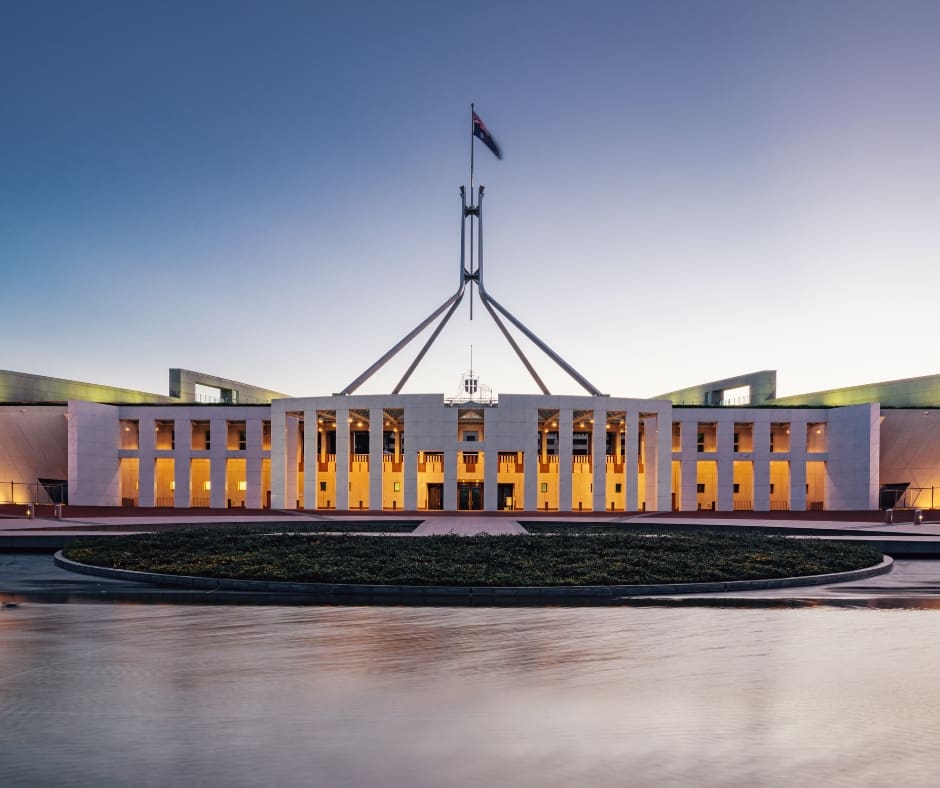
Australia’s 2025 Federal Budget Balancing NDIS Support, Administration, and Fraud Prevention—Did They Get It Right
Last night, the Australian Government announced the 2025 Federal Budgets. And while Treasurer Jim Chalmers promised “no surprises” – the Social Services Department and National Disability Insurance Scheme (NDIS) are definitely going to feel the impact of these changes. In some great news, NDIS growth is projected at 8% year on year until 2029!
However, the administration side will experience some detrimental cuts. If you or someone you love relies on these services, here’s what you need to know and what it means for you.
More Funding for the NDIS, At A Cost?
One of the biggest takeaways from this year’s budget is that funding for NDIS participants is increasing —but that money has to come from somewhere.
- The total social services budget is rising from $55.6 billion to $69.1 billion by 2028-29.
- NDIS-administered funding will jump from $46.2 billion to $62.2 billion.
- By 2028-29, over 90% of the Department of Social Services (DSS) budget will be allocated to the NDIS.
That sounds great, right? More funding should mean better services for people with disabilities. But here’s the catch— there will be major cuts to the departments that run these services.
Funding Cuts: What’s Changing?
While more money is going into NDIS participant support, the government is cutting back on the teams that run and process these services. Here’s what’s happening:
- DSS (the department that oversees social services) will lose $50 million next year, and $152 million the year after.
- NDIA (the agency that administers the NDIS) will lose $1.1 billion over the next few years.
- Services Australia, which helps deliver payments and support, will see its budget shrink from $6 billion to $4.7 billion.
Unfortunately, fewer resources and tighter budgets for these departments could mean longer processing times, fewer staff to handle applications, and more pressure on the system. It’s a scary thought – as it recently came to light that medical reports are already being neglected due to time pressures. NDIS CEO Rebecca Falkingham revealed earlier this year that staff just don’t have enough time to read the medical reports that participants submit. This failure was personal for many who are navigating the NDIS system and raised concerns about the fairness for the people who use the time and money to fill out endless paperwork, or are rejected seemingly without cause.
Not to mention, $125 million has been committed to fraud prevention within the NDIS – which has already resulted in a lot of providers shutting down to date. Less providers and overwhelming time constraints coupled with budgets cuts to administration and department funding presents serious pressure to the NDIS. It’s not all doom and gloom. With the right balance, these efforts could lead to a stronger, more sustainable system that delivers better outcomes for participants and providers alike.
Looking Ahead with Optimism
While the Federal Budget introduces some challenges, there are also reasons to feel hopeful. Increased funding for NDIS participants signals a commitment to supporting Australians with disabilities, and with ongoing improvements, there’s potential for a more efficient and effective system. Though the road ahead may have its complexities, the goal remains clear: ensuring that those who rely on the NDIS receive the care and services that help them thrive.
We understand these changes are a lot to take in. For individuals, families, and providers, staying informed and engaged will be key in navigating these changes. We will continue to post updates and keep our community informed on how these changes may impact you. Keep an eye out on our website and social media platforms, so you don’t miss out!